Sourdough & Sprouted Breads
Why You Should Eat Sprouted Grains Or Sourdough Bread.
 One of the many reasons that I started using sprouted grains and making sourdough bread was because of my daughter, Maci. She had terrible intestinal pain every time she ate. She had terrible gas and bloating and was pretty miserable. We had gone to doctors and they were not able to help. So I started to do research on my own and found a wealth of information. This is the result: Maci has been pain free for years. No pain, gas, or bloating and, she is completely healed. One of the things that helped her tremendously was sprouted grains and sourdough breads.
As part of my fermented food journey, I discovered that grains are not the same as they once were. For thousands of years, sheaths of grain would be cut by hand, stacked in the fields, and left to be gathered the next day. The morning dew would cause the grains to sprout, thereby unlocking the nutrients and deactivating the phytic acid and enzyme inhibitors, making the grains easy to digest. Then the workers would gather the grains and take the seeds off the stalks to be used. Today we have combines that remove the seeds instantly, never allowing the grains to sprout.
Our baking traditions have changed, too. Sourdough starters used to be the standard mode for rising breads. The bacteria and yeasts in the starter transform the wheat in the flour in the same way that sprouting does—releasing nutrients and creating a more digestible product. This process of making sourdough bread, doesn’t use sprouted flour, but bread made this way has the same benefits as bread made with sprouted flour. This transformation is dependent on letting the dough culture for many hours at room temperature. It takes at least seven hours for these dramatic changes to occur. In contrast, breads made with instant yeasts allows the bread rises so quickly, that it never has a chance to be transformed.
The Benefits
I have found that most people’s bodies struggle to digest grains. Yet these same bodies flourish with grains that have been sprouted or are made with a sourdough culture. They are both considered low glycemic, which is a wonderful benefit. The pancreas needs huge amounts of B vitamins to deal with stress. Once a grain has been sprouted most bodies recognize it as a vegetable rather than a starch which requires digestive enzymes not pancreatic enzymes. 1 Therefore, eating sprouted grains does not stress the pancreas. In 2008, the USDA Food Safety and Inspection Service (FSIS) ruled that sprouted grains are more akin to vegetables than to whole grain.
Phytic acid, which is a known mineral blocker, is present in the bran (the coating of nuts and seeds) of all grains and inhibits the absorption of calcium, magnesium, iron, copper and zinc. This inhibitor can neutralize our own digestive enzymes, resulting in the digestive disorders experienced by many people that eat unsprouted grains. Yet, phytic acid is broken down in the sprouting process and also, complex sugars responsible for intestinal gas are broken down during sprouting. 2
In addition, the sprouting and sourdough process produces changes to the composition of the grain in numerous ways that make it a more beneficial food. This process produces vitamin C and increases the content of vitamins B, B2, B5 and B6. Carotene, which is converted to vitamin A, increases dramatically – sometimes as much as eight-fold. Sprouting or using a sourdough culture also inactivates aflatoxins, which are toxins produced by fungus and are potent carcinogens found in grains.
Sourdough Versus Sprouted Bread
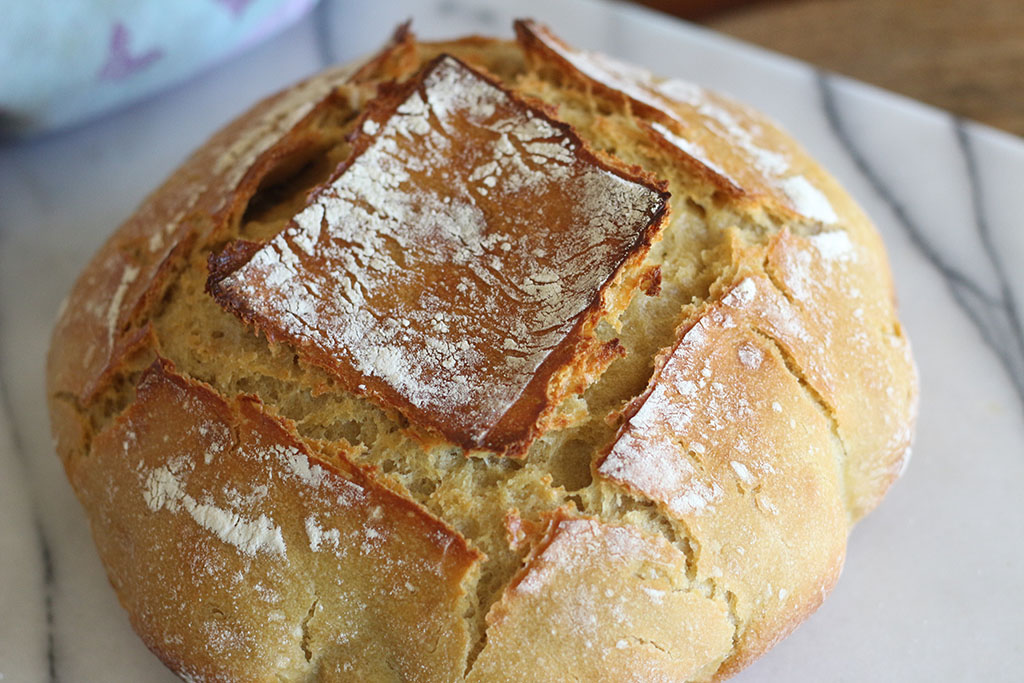 If I had to choose between sprouted bread and sourdough bread, I would choose sourdough bread. I still love sprouted breads too, but sourdough bread is pure joy for me. I use a long slow overnight method to make my sourdough bread. This allows for even more benefits the longer it ferments. Longer fermentation breaks down the bread making it even more digestible, and the taste is unique and like nothing else.
When you use a sourdough starter to make bread it deactivates the inhibitors and increases the bio availability of nutrients. This is similar to what sprouting your grain does; only this is through starter cultures that are loaded with good bacteria and yeasts. Sourdough also imparts a delicious flavor like nothing else.
I also like that sourdough uses yeast that has all the benefits of years of developing lactobacilli and many other healthy organisms instead of commercial made yeast which is used in making sprouted bread. Commercial yeast is a single kind of organism that raises the bread very quickly and transforms grain into something that’s even less good for you. Sourdough is two organisms: wild yeast and bacteria, in symbiosis. The yeast and bacteria transform the grain to make it healthier, easier to digest, and resistant to getting moldy or stale. I have seen many who had gluten problems do fine with long rise sourdough bread. The magic seems to occur when you let the rising time reach seven hours or longer. This is the amount of time it seems to take for the cultures to do their work while imparting a delicious flavor.This transforms the bread, allowing your body to digest it easily.
Sourdough bread is hands down my favorite cultured food to make. I love taking a warm loaf from the oven. You will love it, and so will your body.
Don't Use Sprouted Flour To Make Sourdough Bread
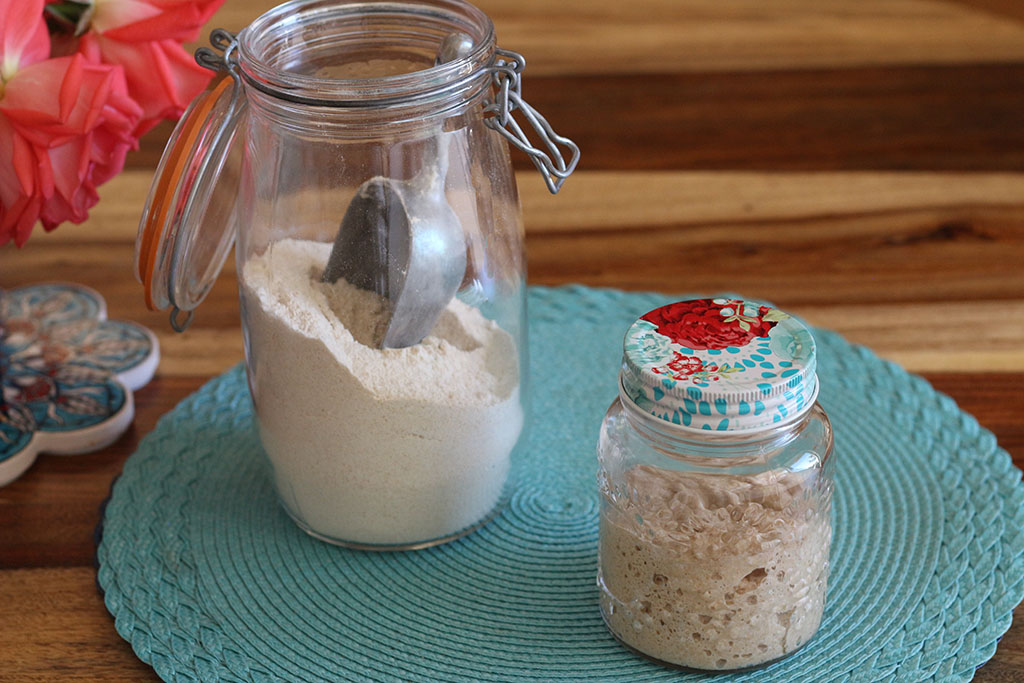
Don’t use sprouted flour to make sourdough bread. The bread has already been broken down by the process of sprouting and the sourdough culture won’t have what it needs to transform the bread. Since both process are similar in their ability to transform the bread, it’s important to use regular flour to allow the sourdough culture to have the nutrients it needs to make you delicious bread.
Recipes
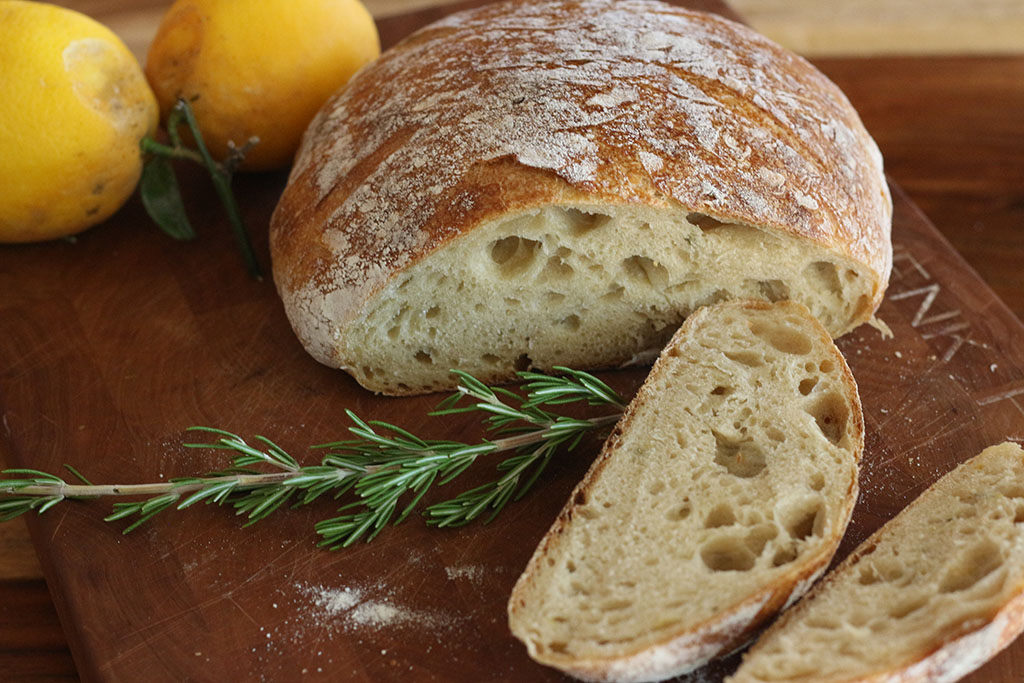

Sourdough Recipes
These are some of my favorite sourdough recipes
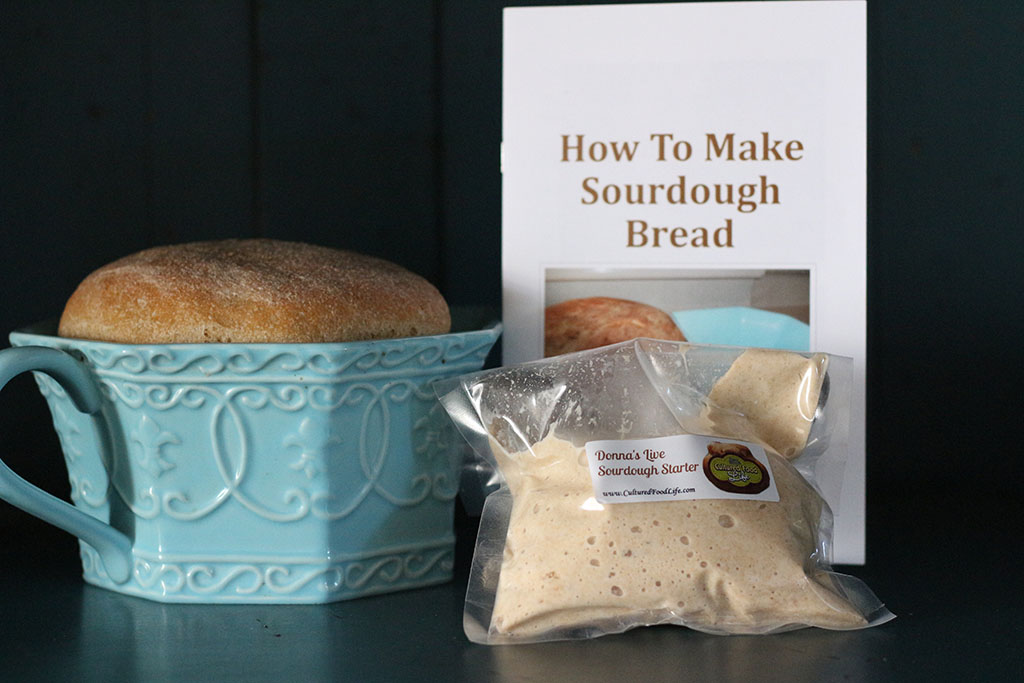
Donna's Sourdough Starter
Get My Sourdough Starter
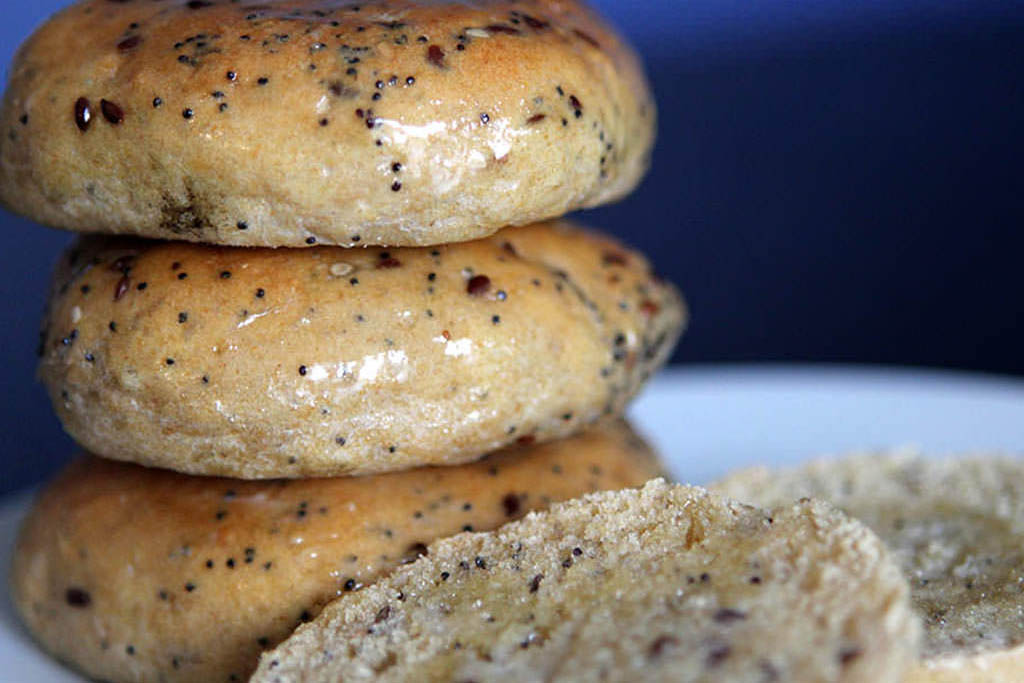
Sprouted Recipes
These are some of my favorite sprouted recipes
References:
- J. Quinn, Essential Eating (Waverly, PA: Azure Moon Publishing, 2003): 33.
- S. Fallon, Nourishing Traditions (Washington, D.C.: New Trends Publishing, 1999): 112.