Look for me on:



Overeating During the Holidays? Cultured Foods Can Help
Do You Eat And Drink Too Much Over The Holidays?
Let Cultured Foods Help You

One of the most important things I’ve learned about health and wellness is this: overeating can stress your liver just as much as drinking too much—and most people have no idea. When we overeat or load our plates with heavy, fatty foods, our liver has to work overtime. That extra strain can slow detoxification, create a buildup of toxins, and leave us feeling sluggish and weighed down.
But here’s the good news …
There are simple, everyday things you can add to your meals that lighten the load on your liver and your whole body.
Kombucha is Powerful
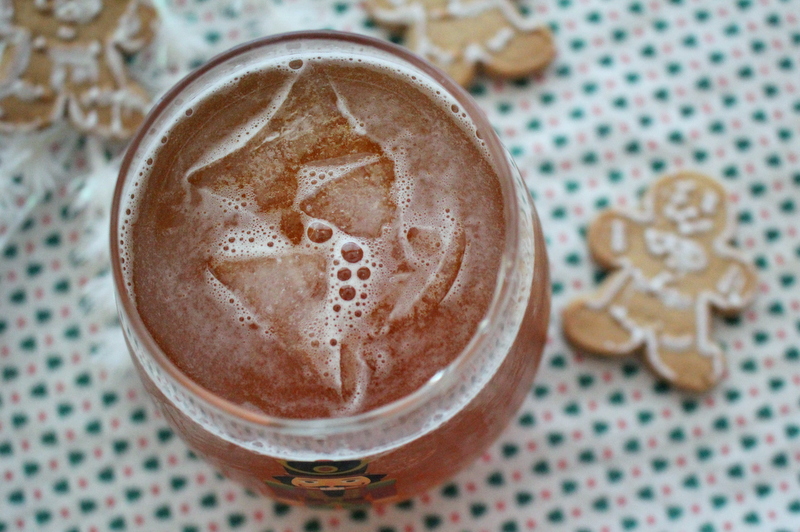
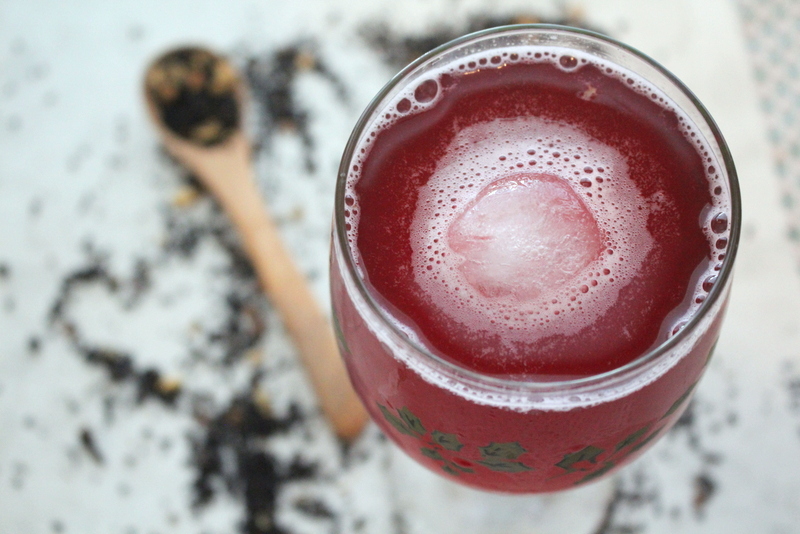
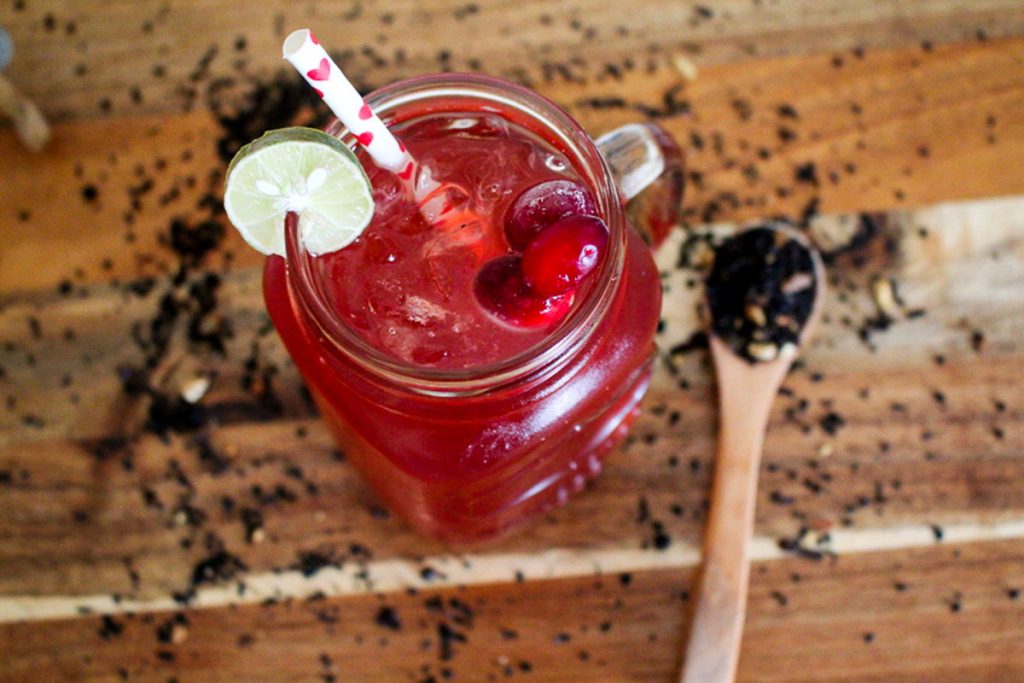
You can still enjoy your favorite foods—just do yourself a favor and have a glass of kombucha or a cultured food alongside them. Kombucha contains antioxidants and powerful organic acids that support liver detoxification.
Researchers at India’s Jadavpur University discovered that kombucha protects liver cells from toxin damage.[1] They exposed liver cells to a potent toxin that normally breaks down cell membranes and leads to cell death. In the group treated with kombucha, the cell membranes stayed far more intact. The kombucha significantly reduced free-radical damage and preserved the cells’ ability to function.
I’ve seen kombucha work its magic in real life, too. Years ago, when we spent weekends at the Lake of the Ozarks, friends on our dock would often drink all weekend. I wasn’t a drinker, but after sharing kombucha with them, many began brewing their own. One friend told me that when he drank kombucha after a heavy weekend, his body would suddenly start detoxing. He would drop all the water weight that alcohol had caused him to retain, and he felt dramatically better. Without kombucha, he stayed inflamed, puffy, and sluggish.
Now, this isn’t a license to overdrink—but if you do find yourself feeling off after eating or drinking too much, kombucha can give your liver the helping hand it needs.
Kefir and Cultured Veggies - A Natural Detox
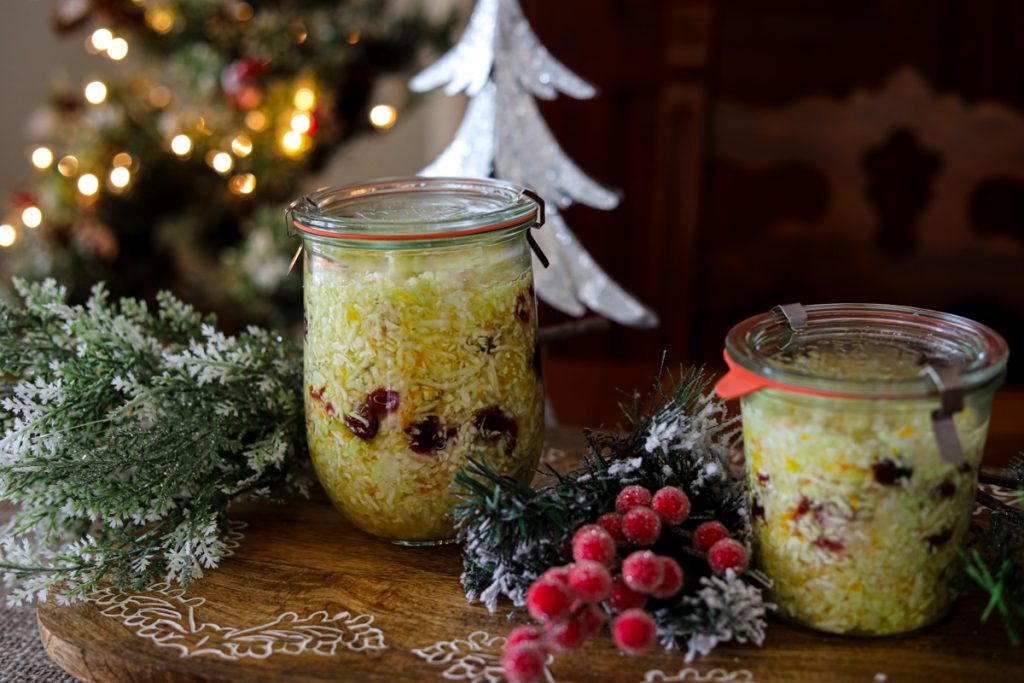
Kefir—with its 50+ probiotic strains—and cultured vegetables are powerful detoxifiers too. Your body loves the way these microbes help lighten its load.
For years I believed my liver was doing most of the detoxification work, clearing out toxic chemicals and excess hormones like estrogen. But that’s only half the story. Your gut bacteria are responsible for about 50% of your detoxification.
If you don’t have the right microbes—or enough of them—they simply can’t do their job.
So how do bacteria detoxify you? The answer is amazing.
Chemical BPA
Bisphenol A (BPA) is everywhere—plastic containers, store receipts, even paper money. It’s an endocrine disruptor linked to dozens of diseases.
But animal studies show that the right gut bacteria can actually decrease the absorption of BPA and help escort it out of the body. [2]
Many of those helpful microbes come directly from cultured foods. Eat them, and they become part of your internal detox team!
Pesticides
When you make cultured vegetables, specific strains of bacteria go to work that have been shown to degrade many different pesticides in your vegetables such as chlorpyrifos, coumaphos, diazinon, methyl parathion, and parathion. They do this while fermenting on your counter, and the pesticides will be degraded by 83.3 percent in as little as three days. Give it a few more days and they remove them completely. 3 The really cool part is that these microbes actually use these hard-to-break-down chemicals as sources of carbon and phosphorous food!

Sodium nitrate and heavy metals
Sodium nitrate—found in preserved meats, fertilizers, explosives, and even some organic foods—has been linked to chronic health issues, including cancer.
But our beloved Lactobacillus strains can break down sodium nitrate, degrade heavy metals,[4,5] and even neutralize heterocyclic amines[6] (those harmful compounds formed when meat is cooked at high temperatures).
These probiotic microbes—found in kefir, cultured vegetables, cultured dairy, and even sourdough bread—reduce toxicity and help us digest foods we might otherwise struggle with.
Just like special microbial teams are called in to clean up ocean oil spills, your microbes do the same inside your body.
All they need is for you to feed them and help them grow.
Listen To My Podcast
Do you overeat on Thanksgiving and Christmas? Overeating is as stressful to the liver as drinking too much alcohol. But there are ways to help your liver and your body, and also get more nutrients from your food. I'll share what I do and the foods we eat and drink. Let this be the year that Thanksgiving makes you healthy!






References:
- https://www.sciencedirect.com/science/article/pii/S0928468011000034
- Kenji Oishi, Tadashi Sato, Wakae Yokoi, Yasuto Yoshida, Masahiko Ito, Haruji Sawada. Biosci Biotechnol Biochem. 2008 Jun;72(6):1409-15. Epub 2008 Jun 7. PMID:
- Shah Md Asraful Islam, Renukaradhya K Math, Kye Man Cho, Woo Jin Lim, Su Young Hong, Jong Min Kim, Myoung Geun Yun, Ji Joong Cho, Han Dae Yun. J Agric Food Chem. 2010 May 12;58(9):5380-6. PMID
- Chang-Kyung Oh, Myung-Chul Oh, Soo-Hyun Kim. J Med Food. 2004;7(1):38-44. PMID:
- Marc Monachese, Jeremy P Burton, Gregor Reid. Appl Environ Microbiol. 2012 Sep ;78(18):6397-404. Epub 2012 Jul 13. PMID:
- Adriana Nowak, Zdzislawa Libudzisz. Eur J Nutr. 2009 Oct ;48(7):419-27. Epub 2009 May 16. PMID:
Are you on the list?
Sign up today and I'll send you my free Getting Started Guide!
Each week I'll send you updates, tips, recipes, and more! You might even be a winner of my weekly giveaway! (starter cultures, memberships, and more!)
Come be a part of my cultured food family!