Look for me on:



Blackstrap Molasses: The Forgotten Superfood for Iron, Hair, and More
Blackstrap Molasses
There are certain foods that have been around for generations, quietly nourishing people long before we had fancy supplements, superfood powders, or expensive health products. One of those foods is blackstrap molasses.
I have come to love molasses so much over the years, especially because of the difference I've noticed in my own health. It has been particularly helpful for me when it comes to iron and my hair, and the more I've learned about the minerals it contains, the more I've wanted to share it with you.
I love finding simple foods that can make a difference in how we feel. That's what started my journey with cultured foods so many years ago, and it's still what inspires me today.
Molasses is one of those forgotten foods that deserves another look. It's dark, rich, slightly bittersweet, and filled with minerals that most refined sweeteners simply don't have. And when you combine it with cultured foods like kefir and sourdough, you can make some pretty wonderful things!
What Makes Blackstrap Molasses Different?
Molasses comes from sugarcane or sugar beets during the process of making sugar. As the juice is boiled and sugar crystals are removed, the remaining syrup becomes darker and more concentrated.
There are several different kinds of molasses.
Light molasses comes from an earlier boiling and has a sweeter, milder flavor.
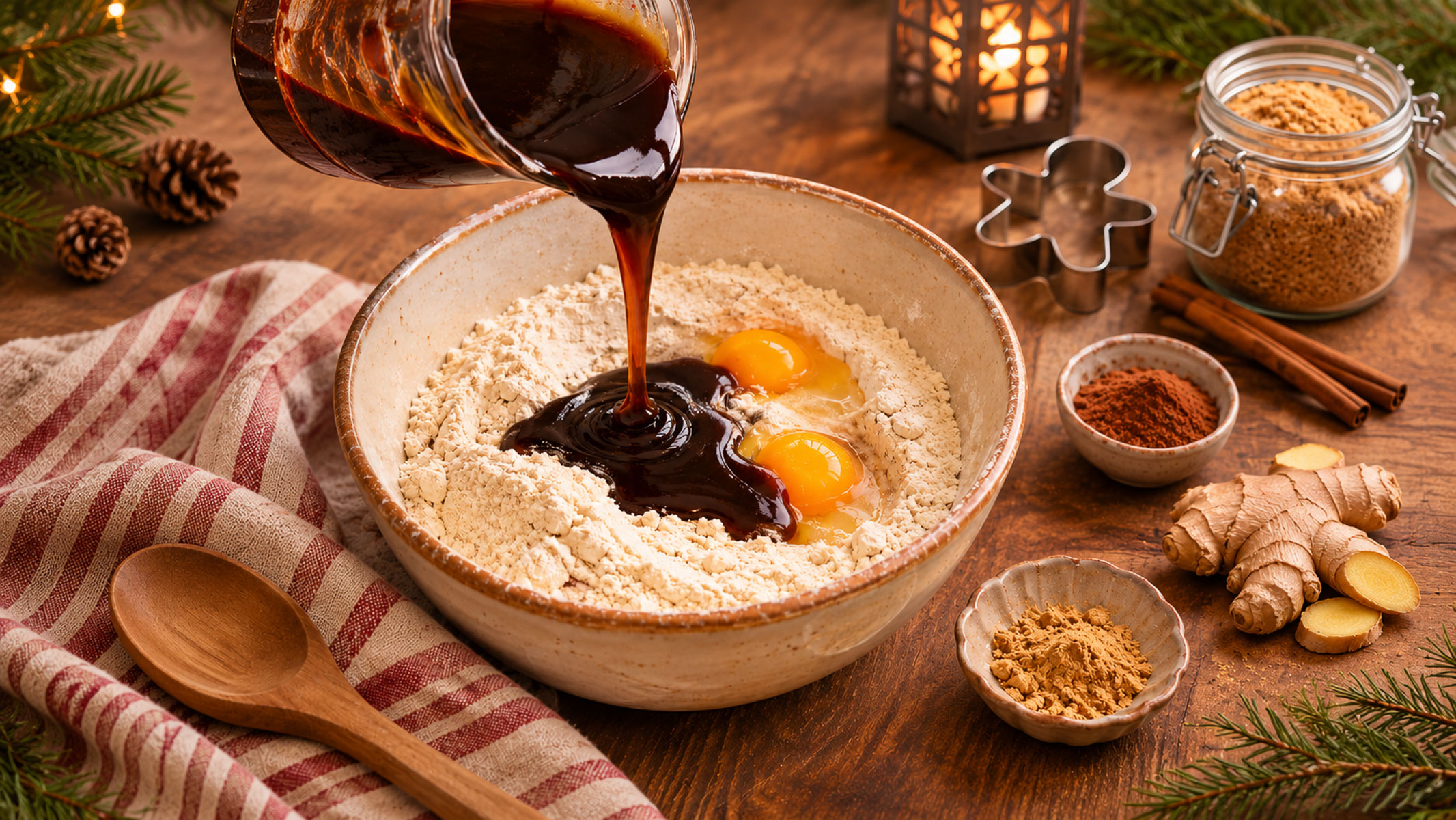
Dark molasses is more robust and works beautifully in gingerbread, baked beans, and hearty breads.
Blackstrap molasses comes from a later stage of processing. It has a much stronger flavor and can contain higher concentrations of minerals.
I especially like unsulfured blackstrap molasses because of its mineral content.
What I find so interesting is that while refining sugar [1,2] removes most of its naturally occurring minerals, molasses retains some of them. And some of these minerals are ones our bodies need every single day.
1. Iron — One of My Favorite Benefits of Molasses
Iron is one of the most important minerals in our bodies, and it's also one that people can struggle to get enough of. Your body needs iron to make hemoglobin, the protein in red blood cells that carries oxygen throughout your body.
Without enough iron, you may experience fatigue, weakness, difficulty concentrating, and other symptoms.
I've personally found molasses to be a helpful addition to my routine when paying attention to my iron intake. One thing I love about blackstrap molasses is that it offers a food-based way to add some iron to the diet.
However, the amount of iron varies quite a bit depending on the brand and type of molasses. Standard molasses contains approximately 0.9 mg per tablespoon according to USDA nutrient data, while some blackstrap products contain considerably more. The iron in molasses is non-heme iron, the form found in plant foods. It is not absorbed as efficiently as the iron found in meat. [3]
Here's a little tip: Vitamin C can help your body absorb non-heme iron. Pairing iron-rich foods with strawberries, citrus fruits, kiwi, or other foods containing vitamin C is a wonderful habit.

2. Hair Health — Something I've Noticed Personally
This is one of the reasons molasses has become so special to me. I've noticed benefits with my hair while including molasses in my diet, and it made me curious about what was actually happening.
It turns out that iron plays an important role in healthy hair. Hair follicles are metabolically active, and they need a steady supply of nutrients to support normal hair growth.
Researchers have studied the relationship between iron stores and hair loss, particularly in women.
A systematic review and meta-analysis involving more than 10,000 participants found that women experiencing nonscarring hair loss tended to have lower ferritin levels than women without hair loss. [4,5]
Ferritin is a protein that helps store iron in the body. This doesn't mean molasses has been proven to regrow hair, and hair loss can happen for many different reasons. But it does show why adequate iron nutrition is worth paying attention to.
I believe nourishing our bodies from the inside is so important. Our hair, skin, muscles, and energy levels all depend on getting the nutrients they need. And I love that something as simple as molasses can contribute to those nutrients.

3. Magnesium — For Muscles, Nerves, and Energy
Magnesium is another reason I love molasses. This mineral is involved in hundreds of processes throughout your body. It supports normal muscle and nerve function, helps regulate blood pressure, and plays an important role in energy production.
One tablespoon of regular molasses contains approximately 48 mg of magnesium, according to USDA data.
That may not sound like much, but I believe the little things we do consistently can add up.
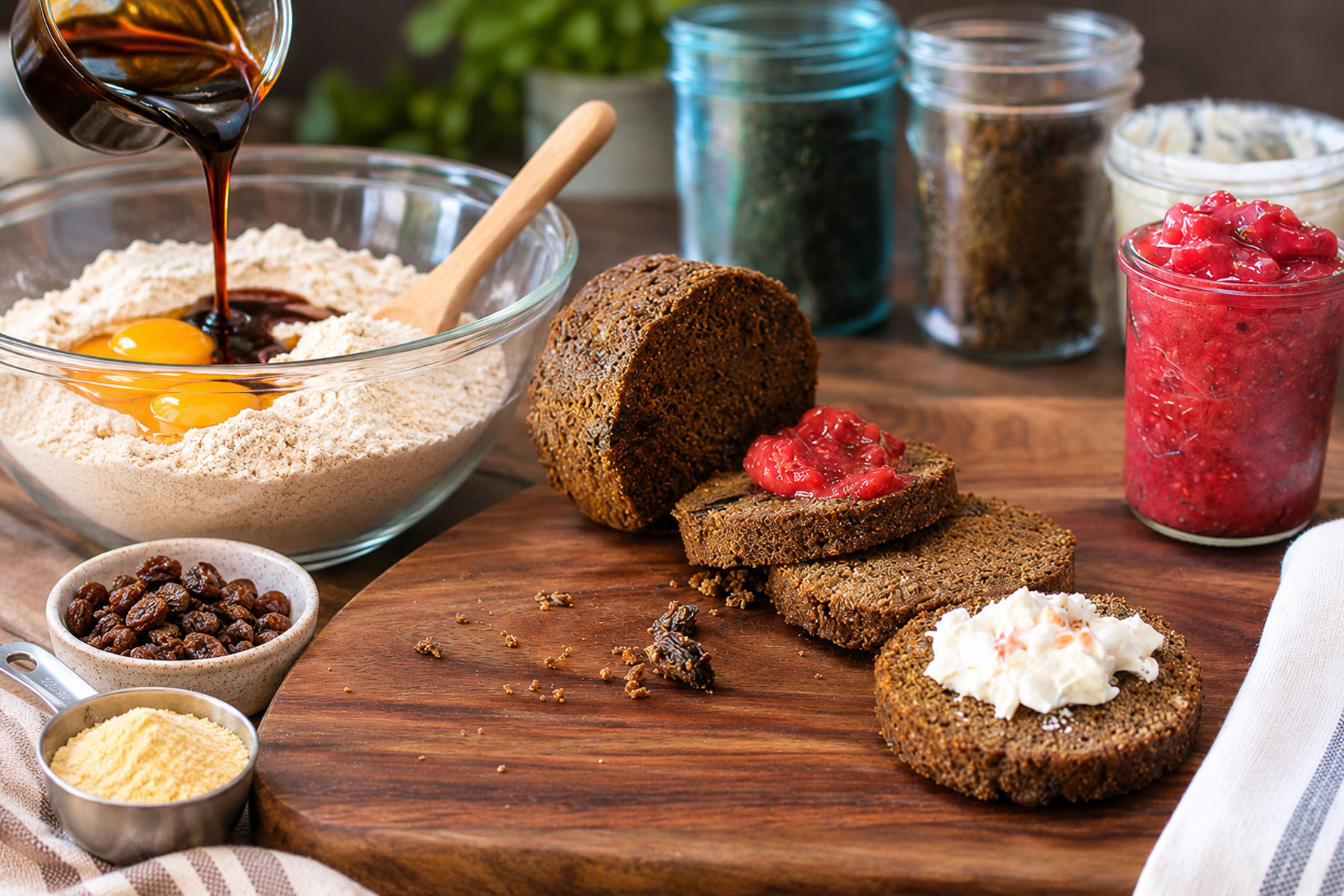
I love using it in recipes because you're getting that wonderful deep flavor along with minerals that refined white sugar doesn't provide in meaningful amounts. See below for recipes.👇🏼👇🏼

4. Potassium — Supporting Your Heart and Muscles
One tablespoon of regular molasses contains approximately 293 mg of potassium.
Potassium helps regulate fluid balance, supports normal muscle contractions, and is essential for the electrical signals that keep your heart functioning properly.
It also works with sodium in helping maintain healthy blood pressure.
I think potassium is an especially interesting mineral because it is so important, yet many people don't get enough from their diets.

5. Calcium — Not Just for Bones
We often think about calcium when we're talking about strong bones, but calcium does much more than that.
Your body also needs it for muscle contractions, nerve signaling, and normal blood clotting.
Molasses contains calcium, with the amount varying by type and brand. I love blackstrap molasses because it has more nutrients than other types of molasses.
6. Antioxidants — The Surprising Research on Molasses
This might be one of the most interesting benefits of molasses. Researchers have found that dark molasses contains compounds with antioxidant activity.
Antioxidants help protect against oxidative damage, which occurs when reactive molecules interact with cells and tissues.
In one study examining alternatives to refined sugar, researchers found that dark and blackstrap molasses had some of the highest antioxidant capacities among the sweeteners tested. [6]
Another study examined sugarcane and sugar beet molasses and found that sugarcane molasses contained phenolic compounds with antioxidant activity. It also showed protective effects in laboratory-grown cells exposed to oxidative stress.
I love learning about research like this because it reminds me that whole and minimally refined foods can contain so many different compounds working together.

7. Why I Love Molasses with Cultured Foods
If you've followed me for any length of time, you know how much I love kefir, sourdough, kombucha, and other cultured foods.
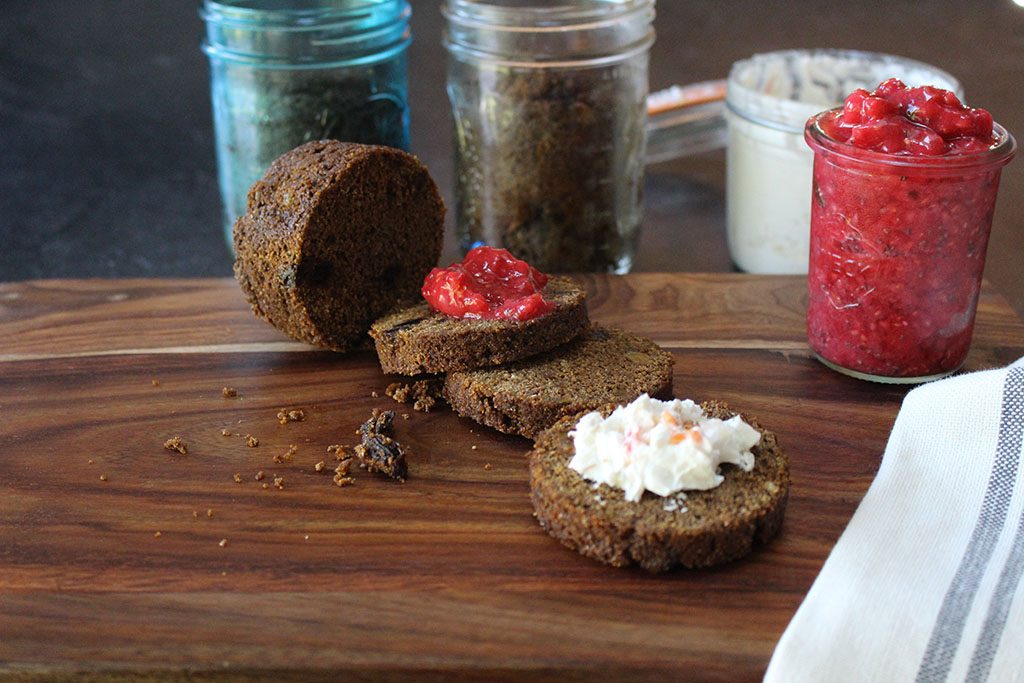
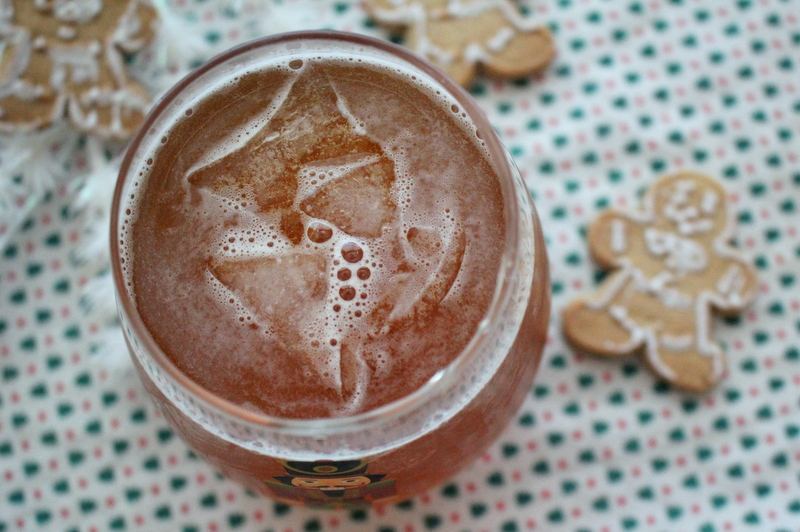
Molasses has a place in my cultured kitchen, too. Its rich, slightly earthy sweetness works beautifully with tangy fermented flavors. I especially love using it in gingerbread recipes, kefir breads, and holiday treats.
Molasses also contains fermentable sugars that certain microorganisms can use, although how they behave depends on the culture and the recipe. And when I pair molasses with fermented grains, I'm combining two traditions that people have enjoyed for generations.
Fermentation can change the flavor and texture of grains and reduce some phytates that interfere with mineral absorption.
I think there's something wonderful about bringing these old-fashioned cooking methods back into our kitchens.

Bringing Back an Old-Fashioned Foo
Sometimes I think we're so busy looking for the newest health trend that we forget about the simple foods people used for generations. Molasses is one of those foods. It's inexpensive, flavorful, easy to use, and provides minerals that our bodies need.
My own experience with molasses and my hair and iron health has given me another reason to appreciate it. I can't say that molasses alone was responsible for every improvement I've noticed, but it's become one of the foods I enjoy including in my diet.
And that's what I want to encourage you to do, too. Look for little ways to nourish yourself. Learn about the ingredients you use. Bring back some of the wonderful traditional foods that may have been forgotten. And most of all, enjoy making food in your kitchen.
Because sometimes the simplest ingredients are the ones that surprise us the most.
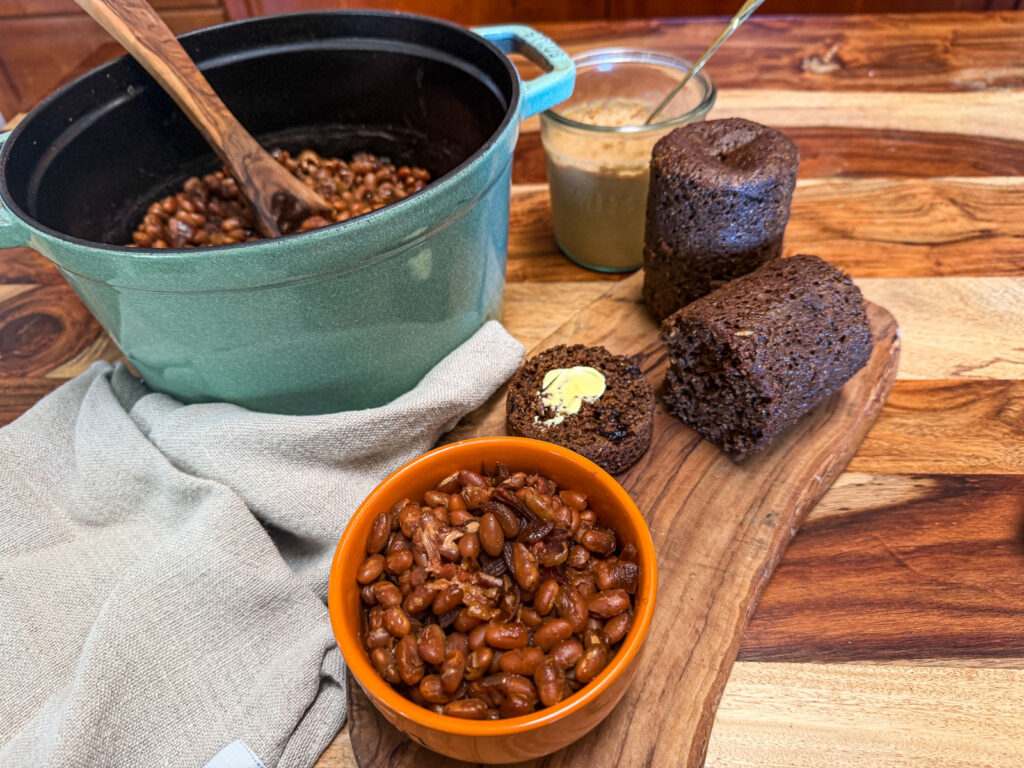
Check out these Molasses Recipes!







Listen To My Podcast
Blackstrap molasses is an old-fashioned pantry staple with a surprising amount to offer. In this episode, I explore its iron and other minerals, take a closer look at the claims about hair health, and share simple ways to enjoy its rich flavor—including in cozy fall recipes.
References:
- Total Antioxidant Content of Alternatives to Refined Sugar
- Sugar Cane and Sugar Beet Molasses, Antioxidant-Rich Alternatives to Refined Sugar
- National Institutes of Health — Iron Fact Sheet
- Iron Deficiency and Nonscarring Alopecia in Women: Systematic Review and Meta-Analysis
- Serum Ferritin Levels: A Clinical Guide in Patients With Hair Loss
- Profiling Metabolites and Biological Activities of Sugarcane Juice and Molasses
Are you on the list?
Sign up today and I'll send you my free Getting Started Guide!
Each week I'll send you updates, tips, recipes, and more! You might even be a winner of my weekly giveaway! (starter cultures, memberships, and more!)
Come be a part of my cultured food family!