Look for me on:



How To Choose The Best Fermented Drink For You
Which Is Better?
Which fermented drink should I make?
I have loved fermented drinks for decades. There is just something magical about taking tea, juice, fruit, ginger, or even grains and allowing microbes to transform them into something completely different.
And one of the questions I get asked all the time is:
Which fermented drink should I make?
Kombucha? Water kefir? Kefir soda? Jun? Ginger soda?
The answer really depends on what you want.
Some fermented drinks are incredibly easy and require almost no maintenance. Others need a culture that you feed and care for. Some are made with tea, some with juice, some with honey, and some don't require a purchased starter at all.
And although they all involve fermentation, they aren't all the same.
So I thought I would walk you through my favorite fermented beverages and help you decide which one might fit you best.
Water kefir versus Kefir Soda comparsion
| Fermented Drink | Made With | Dairy-Free? | Typical Ferment | Best For |
|---|---|---|---|---|
| Kombucha | Tea, sugar & SCOBY | ✅ Yes | 7–14 days | Tea lovers & long-term fermenters |
| Jun Kombucha | Green tea, honey & SCOBY | ✅ Yes | 6–14 days | A lighter, delicate kombucha |
| Kefir Soda Starter | Juice, water & starter | ✅ Yes | 1–7 days* | Beginners, families & easy probiotic soda |
| Kefir Whey Soda | Juice, water & kefir whey | ❌ No | 1–3 days | People who already make milk kefir |
| Water Kefir | Sugar water & water kefir grains | ✅ Yes | 1–3 days + second ferment | Dairy-free fermenters who enjoy traditional culturing |
| Ginger Bug Soda | Ginger, sugar & water | ✅ Yes | Several days | Wild fermentation & homemade soda |
1-2 Kombucha — And Jun Kombucha Fermented Tea
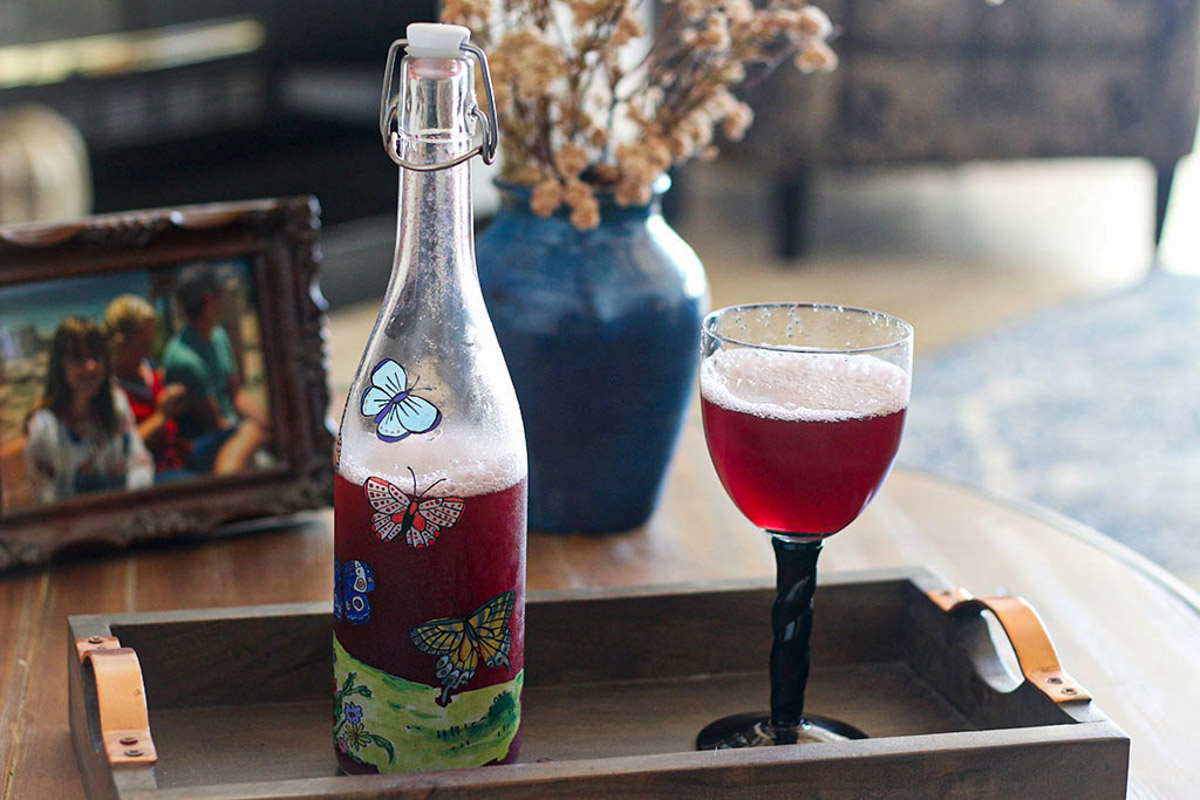 Best for: Tea lovers, people who want a long-term inexpensive ferment, and anyone who enjoys a tart, sophisticated drink.
Kombucha was one of the fermented foods that changed my life.
It is made from sweetened tea and a kombucha culture, often called a SCOBY. The bacteria and yeasts in the culture consume the sugars in the sweet tea and transform it into a tart, slightly fizzy fermented beverage.
Once you have a healthy SCOBY and starter tea, you can keep making kombucha over and over again.
I love kombucha because tea itself contains so many beneficial plant compounds. Fermentation takes this already-special drink and transforms it again.
You can drink kombucha after the first fermentation or bottle it with fruit, ginger, herbs, or other flavorings for a second fermentation.
Choose kombucha if:
- You love tea.
- You don't mind maintaining a SCOBY.
- You want a ferment you can keep going for years.
- You like a more tart, complex flavor.
- You enjoy experimenting with second-ferment flavors.
If you've never fermented anything before, kombucha does take a little more patience than kefir soda, but once you understand the rhythm of making it, it becomes incredibly easy.
 2. Jun — A Lighter Honey Kombucha
 2. Jun — A Lighter Honey Kombucha
Best for: People who love kombucha but want something lighter, more delicate, and made with honey.
Jun is very similar to kombucha, but instead of black tea and sugar, it is traditionally associated with green tea and honey.
The flavor is one of the things I love most about Jun. It is usually lighter and more delicate than traditional kombucha, and the honey gives it a completely different character.
My Jun version uses green tea, honey, kombucha starter tea, and a SCOBY and generally ferments for about 6–14 days depending on the temperature of your home.
One thing I caution people about with Jun is second fermentation. Because you're working with honey and a sweet fermented tea, you don't want to bottle a very sweet batch and let it ferment for a long time. More fermentation can increase the alcohol content.
Fortunately, Jun is delicious right out of the first ferment.
Choose Jun if:
- You prefer green tea.
- You love honey.
- You want something lighter than traditional kombucha.
- You already know how to make kombucha and want to try something different.
- You enjoy a gently fizzy drink without needing lots of added flavorings.
I think of Jun as kombucha's elegant cousin.
3. Kefir Soda Made With a Starter — My Easiest Probiotic Soda
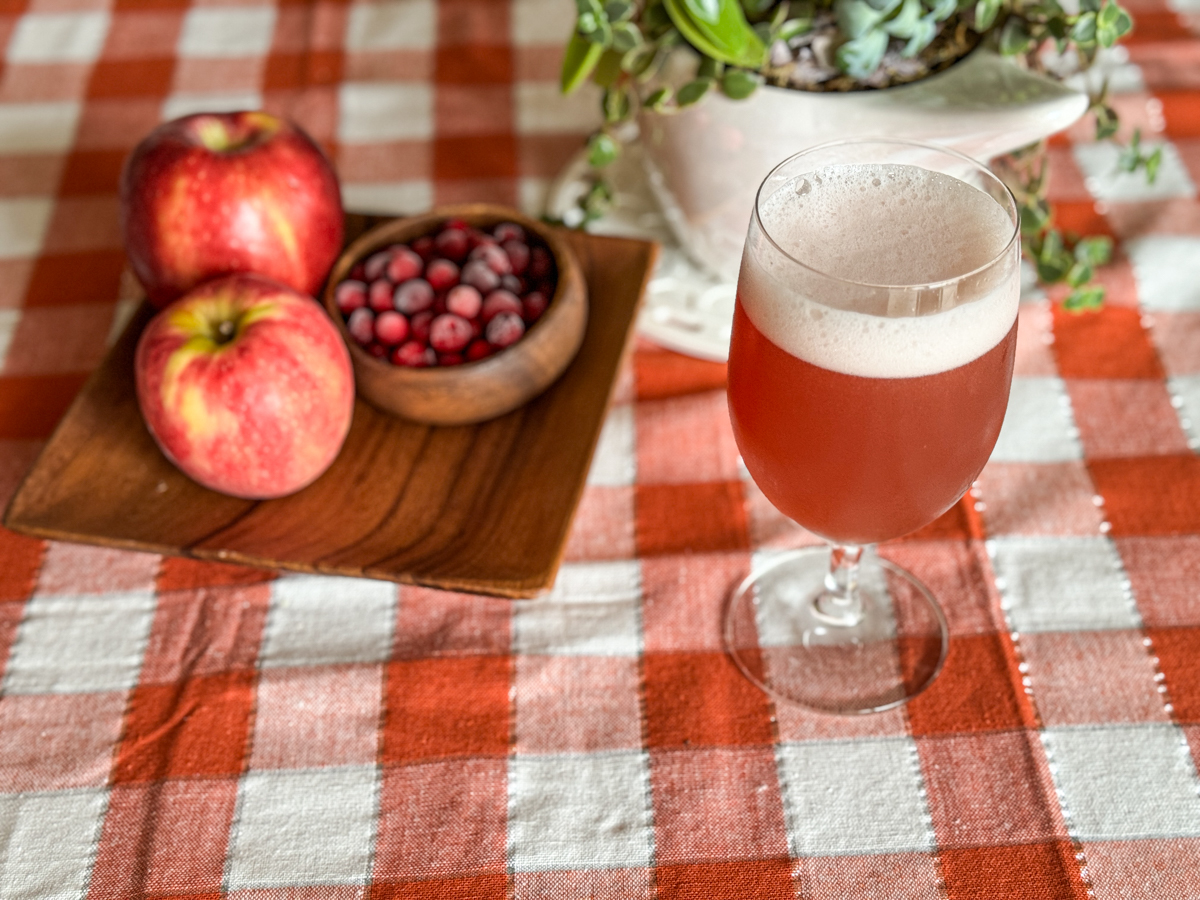 Best for: Beginners, families replacing commercial soda, people who want lots of fizz, anyone who wants something fast and easy, and those looking for a dairy-free option.
If somebody tells me, “Donna, I don’t want another culture to feed every day,” this is often the drink I recommend.
Kefir soda made with our starter culture is ridiculously easy — and the Kefir Soda Starter itself is dairy-free.
You combine the kefir soda starter with fruit juice and water in a thick glass brewing bottle and let the microbes go to work.
The first bottle generally takes several days, but once you have a finished batch, you can use some of that soda to culture the next bottle. Those later batches can ferment much faster because the culture becomes so active.
Choose kefir soda starter if:
- You want one of the easiest fermented sodas to make.
- You don’t want grains or a SCOBY to maintain.
- You want a dairy-free fermented drink.
- You want a bubbly replacement for commercial soda.
- You like fruit-based flavors.
- You want something the whole family can enjoy.
- You want a ferment that gets faster after the first batch.
This is probably the fermented beverage I recommend most often to someone who wants an easy way to start making probiotic soda.
4. Kefir Soda Made With Kefir Whey — Perfect If You Already Make Milk Kefir
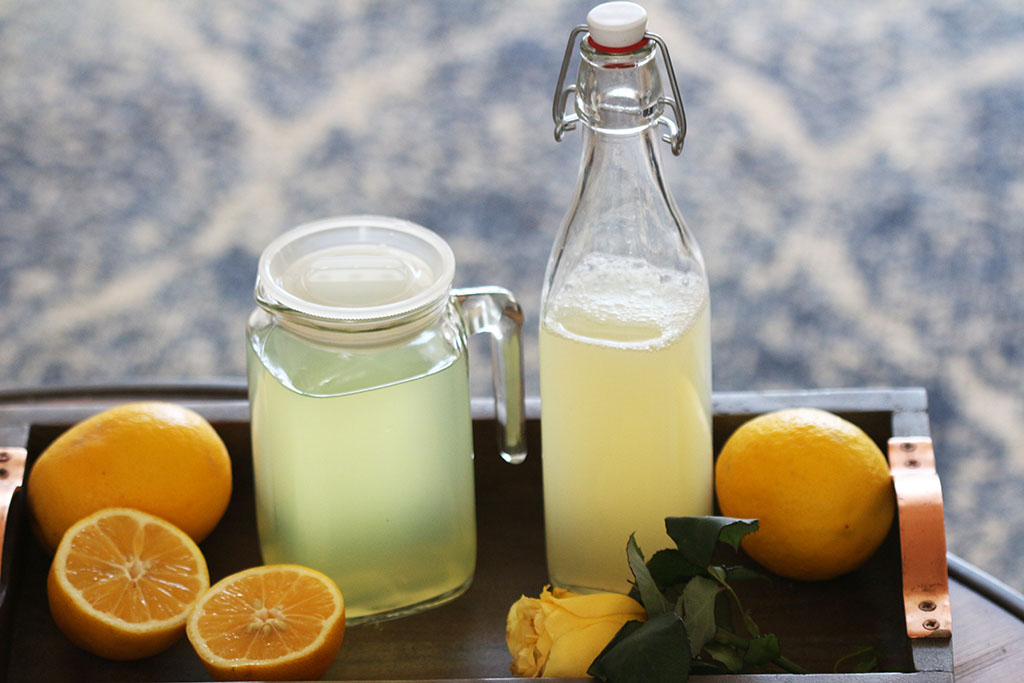 Best for: Milk kefir makers who want to use what they already have.
If you're already making milk kefir, you may not need a separate kefir soda starter at all.
You can make kefir soda with kefir whey.
Kefir whey is the liquid that separates from milk kefir when you strain it. It contains plenty of microbes and makes a wonderful starter for fermented soda.
I usually combine fresh kefir whey with juice and water and ferment it in a brewing-safe bottle.
Just like kefir soda made with the powdered starter, you can use some of your finished soda to start another bottle.
Choose kefir whey soda if:
- You already make milk kefir.
- You regularly have extra kefir whey.
- You want to get another use out of your kefir.
- You want an easy fruit-based fermented soda.
- You don't want to buy another starter.
There is one important difference.
This isn't the choice I would use for someone who needs a completely dairy-free culture, because the whey originates from milk kefir. Water kefir is a better option when avoiding dairy completely.
I love finding uses for kefir whey, and this is one of my favorites.
5. Water Kefir — The Dairy-Free Classic
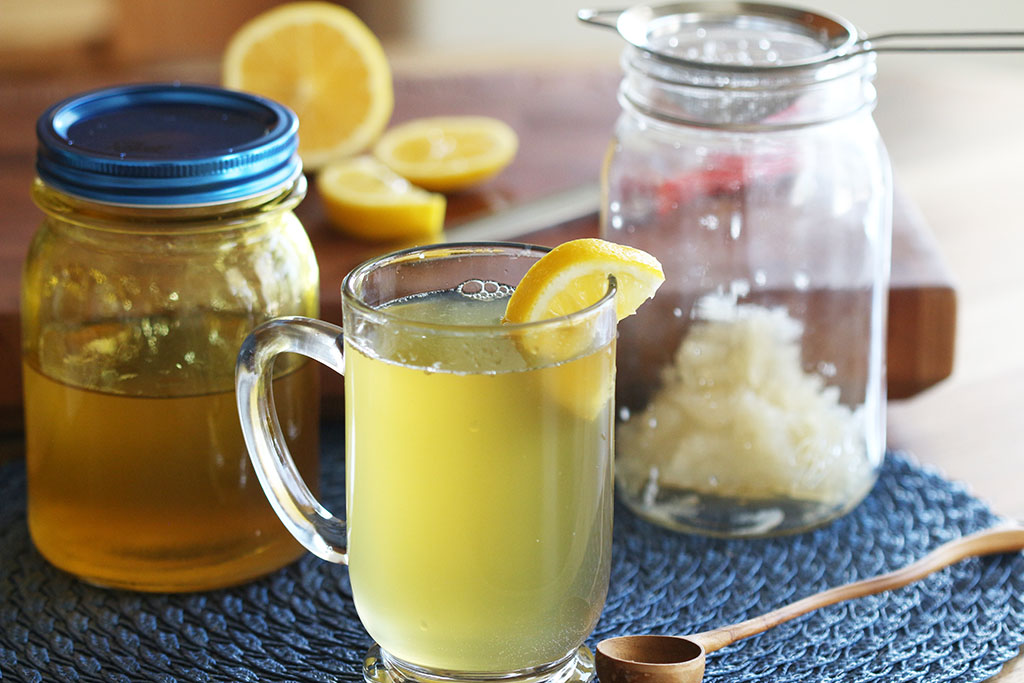 Best for: People who want a dairy-free ferment and enjoy caring for a living culture.
Water kefir is often confused with kefir soda, but they are not quite the same.
Traditional water kefir is made with water kefir crystals or grains.
First, you ferment sugar water with the crystals. Then you remove the crystals and usually do a second fermentation with juice or fruit to create flavor and carbonation.
So you're essentially doing two steps.
Your water kefir crystals also need to be fed and cared for so they stay healthy.
Some people LOVE this.
There is something very satisfying about watching those little crystals grow and knowing you have a culture that can continue making fermented drinks indefinitely.
Choose water kefir if:
- You want a dairy-free cultured drink.
- You enjoy caring for fermentation cultures.
- You don't mind a two-step process.
- You like experimenting with fruit flavors.
- You want to keep a renewable culture rather than use packaged starters.
If you're somebody who loves nurturing sourdough starter, kefir grains, or a kombucha SCOBY, you'll probably enjoy water kefir crystals too.
One thing I should mention is that I no longer carry water kefir grains in my store.
I still think water kefir is a wonderful ferment, but over the years I found the grains could be a little more temperamental and required more ongoing care than some of the other cultures I use. They can be sensitive to changes in minerals, sugar, temperature, and feeding schedules, and some people found them harder to keep consistently happy.
That was one of the reasons I eventually preferred kefir soda. It gave people a much easier way to make a bubbly fermented drink without having to maintain grains, and I found it was simply more reliable for many beginners.
So if you already have water kefir grains and love making water kefir, absolutely keep using them. But if you're brand new to fermented sodas and want the easiest place to start, I usually recommend kefir soda instead.
6. Ginger Bug Soda — For the DIY Fermenter
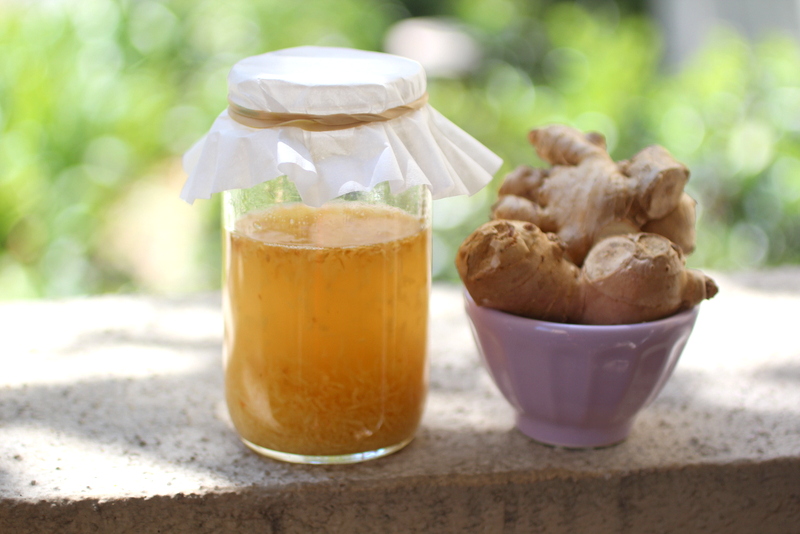 Best for: People who love wild fermentation, ginger, and making things completely from scratch.
A ginger bug is fascinating because you don't need to buy a starter culture. You create one yourself using fresh ginger, sugar, and water.
Over several days, naturally occurring bacteria and yeasts begin fermenting the mixture. Once your ginger bug becomes bubbly and active, you can use a portion of it to ferment soda.
This is what many people think of as homemade fermented ginger beer or ginger soda.
Choose ginger bug soda if:
- You love ginger.
- You enjoy wild fermentation.
- You don't want to purchase a starter.
- You love making things completely from scratch.
- You don't mind feeding and caring for your ginger bug.
- You like experimenting.
Wild ferments can be a little less predictable than cultures with specific strains, and that is part of their charm.
For the person who says, "I want to capture microbes right out of my kitchen and make something bubbly," this is your ferment.
Ginger Bug Soda(opens in new tab)
7. Rejuvelac — The Simple Sprouted-Grain Ferment
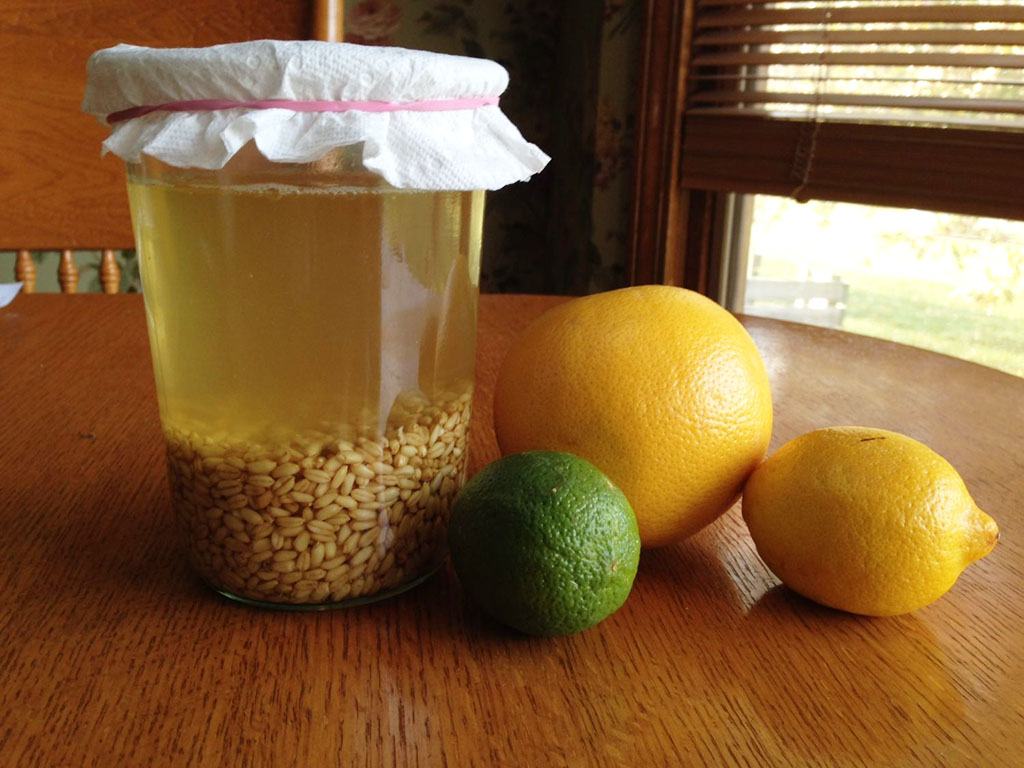 Best for: People interested in sprouting, plant-based fermentation, and a completely different kind of fermented beverage.
Rejuvelac is probably the least familiar drink on this list.
It is made by sprouting grains and then fermenting the sprouts in water.
Traditionally, wheat berries are used, but I also have a version using quinoa if you want a gluten-free option.
You sprout the grains first, cover the sprouts with water, and allow them to ferment until the liquid becomes slightly cloudy, bubbly, and tart.
It isn't soda-like in the same way kefir soda or water kefir is.
Think of it more as a lightly fermented, tart beverage.
Choose rejuvelac if:
- You enjoy sprouting.
- You want a dairy-free fermented drink.
- You want something that doesn't require buying a starter.
- You prefer a mild fermented beverage rather than a sweet soda.
- You enjoy experimenting with traditional fermented foods.
Rejuvelac is one of those old-fashioned fermented drinks that reminds me just how ingenious people were before we ever had refrigeration or commercial probiotics. They knew how to enlist microbes to transform their food.
🥂 You Don't Have To Make Them All 🥂
Here is something I really want people to understand.
You don't need seven fermented drinks sitting on your counter.
Fermented foods should make your life better, not become another job.
Find one you love.
Make it regularly.
Let your body and your microbes get familiar with it.
Then, if you're curious, try another.
For me, fermented beverages became replacements for drinks that weren't serving my body very well. And once my taste buds changed, I didn't miss those old drinks anymore. I started craving the tartness and fizz of fermented drinks instead.
That's one of the beautiful things about fermented foods.
They don't just preserve food.
They transform it.
Sugar becomes food for microbes. Tea becomes kombucha. Honey and green tea become Jun. Juice becomes probiotic soda. Ginger, sugar, and water become a living ginger bug.
You're taking simple ingredients and allowing billions of tiny microbes to do what they've been doing since the beginning of time.
And once you learn how to work with them, you'll never look at food — or drinks — quite the same way again.
One Important Safety Tip
Fermented sodas can create a tremendous amount of carbonation and pressure.
Always use thick glass bottles specifically designed for brewing. Don't use decorative craft-store bottles. Check your bottles frequently during fermentation, refrigerate them once they're ready, and open them carefully. Kefir soda in particular can become extremely bubbly.
Respect the microbes.
They're powerful little creatures — and that's exactly why I love them.
Listen To My Podcast
With so many fermented drinks to choose from, how do you know which one is right for you? In this episode, I’m breaking down some of my favorite cultured beverages—including kombucha, Jun kombucha, kefir soda, water kefir, rejuvelac, and naturally fermented ginger drinks.
Each one has its own unique microbes, flavors, and benefits, and some are easier to make and maintain than others. I’ll explain the differences, what makes each drink special, and how to choose one that fits your body, your lifestyle, and what you’re hoping to accomplish with your gut health.
You don’t need to make them all. Sometimes finding just one fermented drink you love can be a wonderful way to bring more beneficial microbes into your life every day.
Are you on the list?
Sign up today and I'll send you my free Getting Started Guide!
Each week I'll send you updates, tips, recipes, and more! You might even be a winner of my weekly giveaway! (starter cultures, memberships, and more!)
Come be a part of my cultured food family!