Look for me on:



Fermented Vegetables Are Safer Than Raw Vegetables
Exciting Frontiers in Health
Fermented Vegetables
 Cultured foods have become an exciting frontier in health and wellness. We take so much for granted and just as this earth spins on its axis and hurls us through space, so does our body contain billions upon trillions of microbes that compose our bodies and were put there to help us live a fulfilling and healthy life. I discovered these microbes when I was sick and in despair many years ago. It felt like a secret that came to me when I needed it most. I learned to harness the power of these microbes and infused my food with them - and then my life got really exciting. I watched these special probiotic foods infuse my body and revamp my microbiome which resides deep within me. This is when I went on a journey to discover all they can do for me. They healed me from diabetes and high blood pressure, and then healed my daughter from irritable bowel syndrome and food allergies. Then, one by one, my friends and their kids healed from things like asthma, digestive disorders, and a bunch of other ailments. The more people I told, the more I saw people heal. And now the subject of gut bacteria is at the forefront of research concerning everything from cancer, gut problems, emotional disorders, food allergies, and much more. So, I’m here to spread the good news. You're not alone, you're beautifully and wonderfully made, and you have everything you need inside of you to heal and live a wonderful and happy life. Cultured vegetables are so easy to make and you will love them.
Safer Than Raw Vegetables
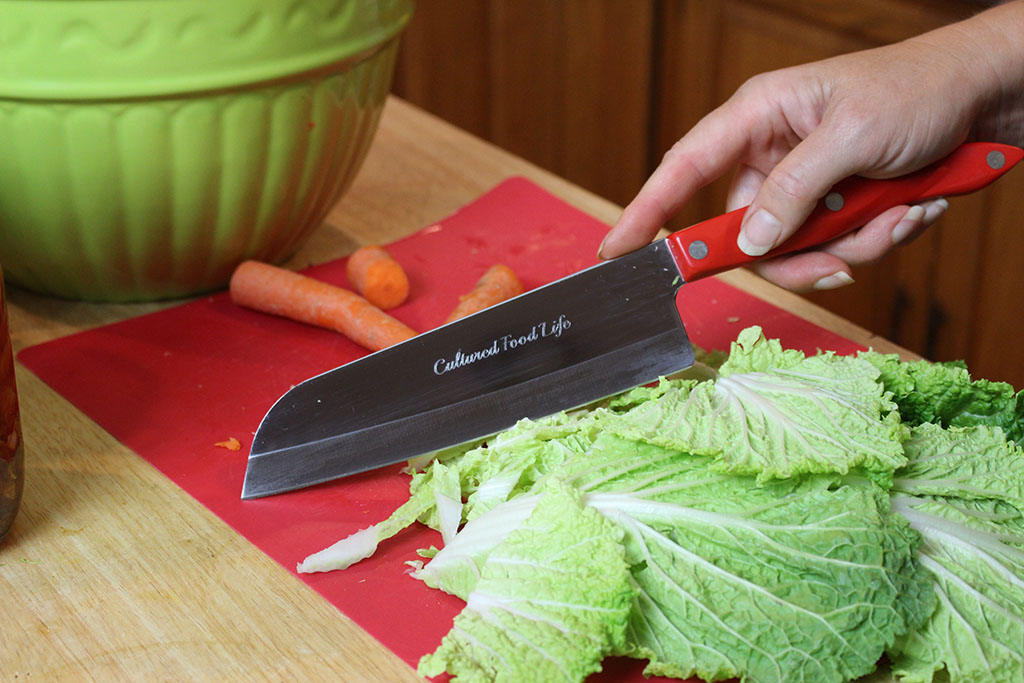 Many people are afraid of making fermented vegetables for fear they'll mess it up and make themselves sick, which is never the case.
United States Department of Agriculture research service microbiologist Fred Breidt says, "Properly fermented vegetables are actually safer than raw vegetables, which might have been exposed to pathogens like E. coli on the farm. With fermented products, there is no safety concern. I can flat-out say that. The reason is the lactic acid bacteria that carry out the fermentation are the world’s best killers of other bacteria.” Breidt works at a lab at North Carolina State University, Raleigh, where scientists have been studying fermented and other pickled foods since the 1930s.
Breidt adds, "Fermented vegetables, for which there are no documented cases of food-borne illness, are safer for novices to make than canned vegetables. Pressurized canning creates an anaerobic environment that increases the risk of deadly botulism, particularly with low-acid foods. These vegetables are even safer than raw foods due to the probiotics, so eat and ferment away."
These are the safest vegetables on the planet and a great way to use up the summer produce.
One of My favorites — Lactobacillus plantarum
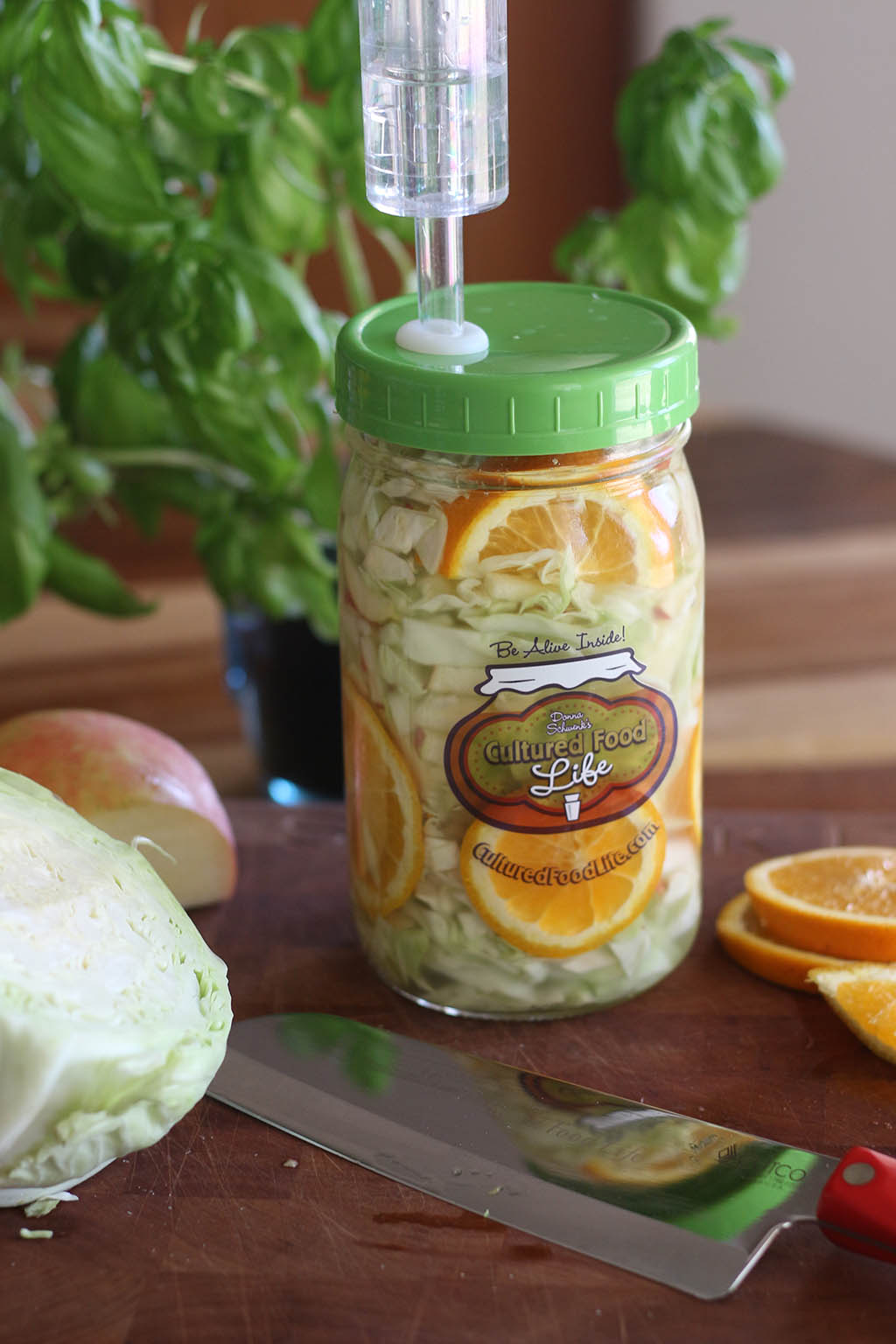 Let me tell you about one of my favorite bacteria found in cultured vegetables: Lactobacillus plantarum (L. plantarum). This is the main probiotic in cultured vegetables and it is quite impressive.
L. Plantarum is extremely hardy, survives stomach acid with ease, and can make the full trip from your mouth – to your intestines – to your colon – to colonize you in a powerful way. L. plantarum is a welcome guest that works mightily for you by fiercely attacking pathogenic (bad) bacteria in our bodies. It will strengthen your good bacteria by killing the bad guys, and then helps your own good bacteria grow stronger and more resistant to future invasions of pathogens. It's important to note that this is a transient bacteria which means it will only last a few days in the body so it's important to consume it often.
L. Plantarum also has potential cholesterol-lowering activity.
1,2,3There are a number of possible mechanisms that might explain how probiotics can help remove cholesterol, including the adsorption of cholesterol to cellular surfaces, assimilation of cholesterol into cell membranes, cholesterol reductase activity, and the deconjugation of bile acids. More and more studies are being done on L. Plantarum and possible supplementation for lowering cholesterol.
L. Plantarum is pretty powerful and can even knock out food poisoning4,5 (as I myself have seen several times) and is a powerful weapon in controlling candida in the body. It is also good for treating irritable bowel syndrome (IBS), easing symptoms of Crohn’s disease, and healing colitis. L. Plantarum can live in your gut and keep pathogenic disease-causing microorganisms from flourishing.
It's also exciting that microbes can help us by removing pesticides from our vegetables. It's often a hardship for people to always buy organic, but the healthy bacteria L. plantarum can remedy this. L. plantarum helps remove pesticides from non-organic vegetables.6 The L. plantarum bacterial strains studied from fermented vegetables in kimchi were found to be capable of degrading four different organophosphorus insecticides by using them as a source of carbon and phosphorous.7,8
When you culture or ferment your cabbage into sauerkraut, the vitamin C and antioxidant levels go through the roof.9 Researchers at Cornell University tested levels of antioxidants and vitamin C in sauerkraut and found the average level of vitamin C in raw cabbage was 57 mg per cup, but when fermented the level was close to 700 mg! Vitamin C is also an antioxidant and it protects the body against stress and helps boost the immune system.
It’s an impressive bacteria and it loves to ferment your vegetables and then help you flourish.
How to Make Cultured Vegetables
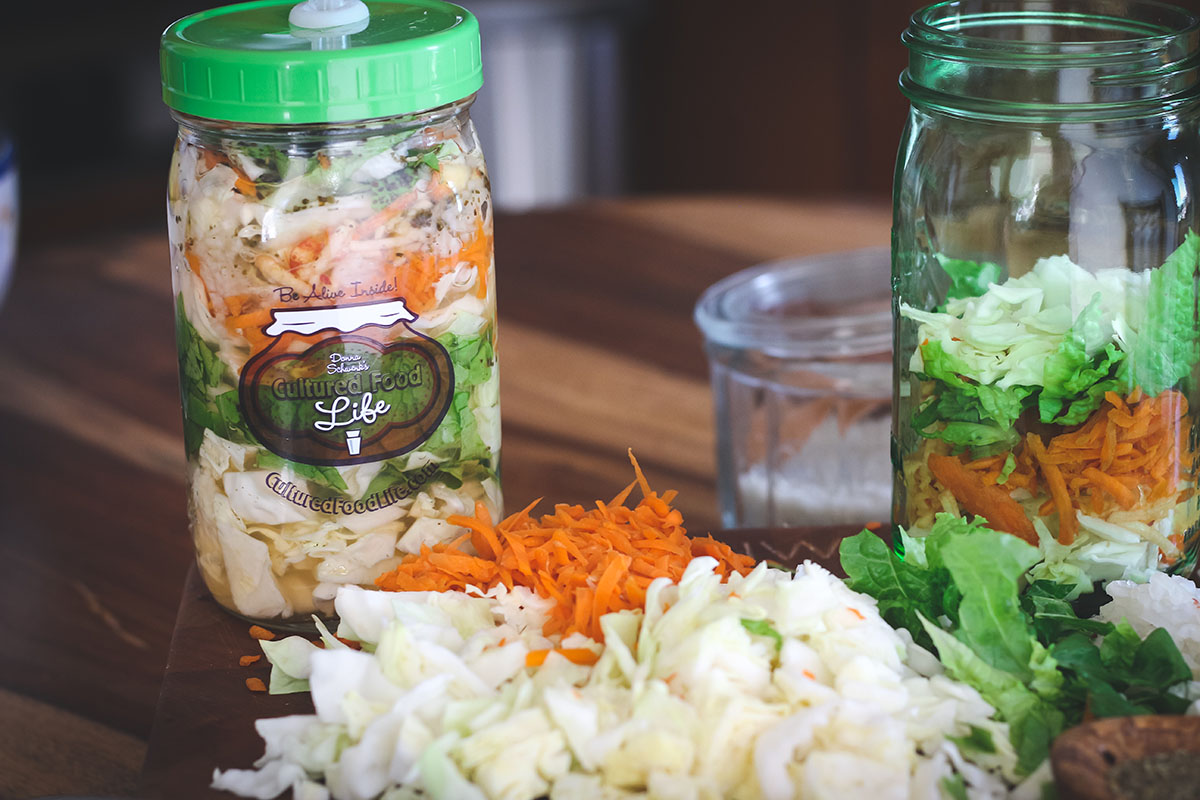
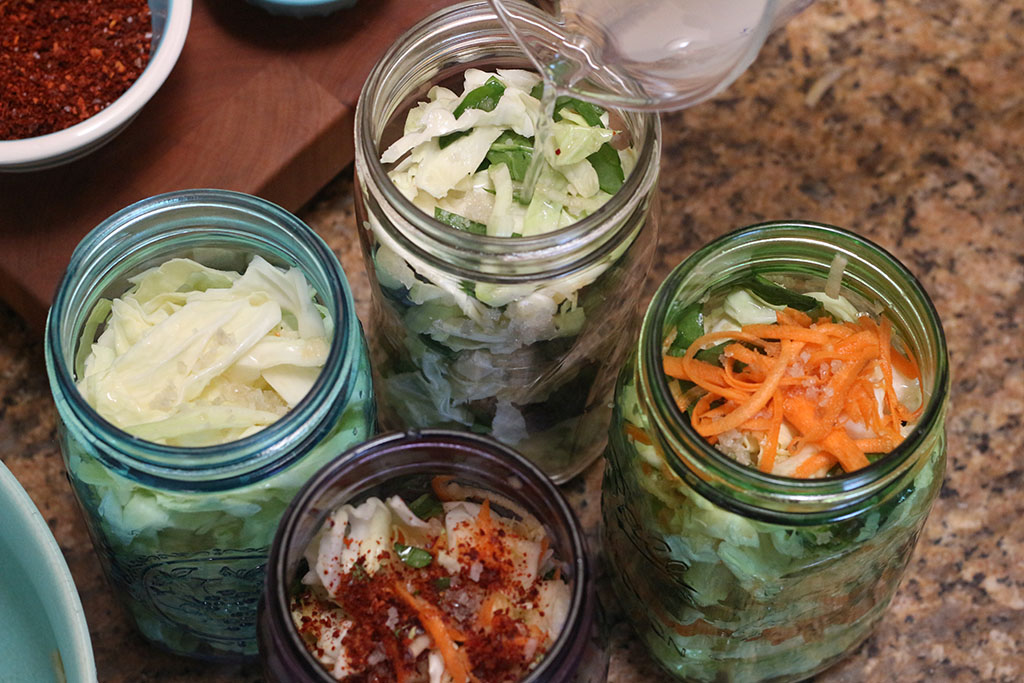
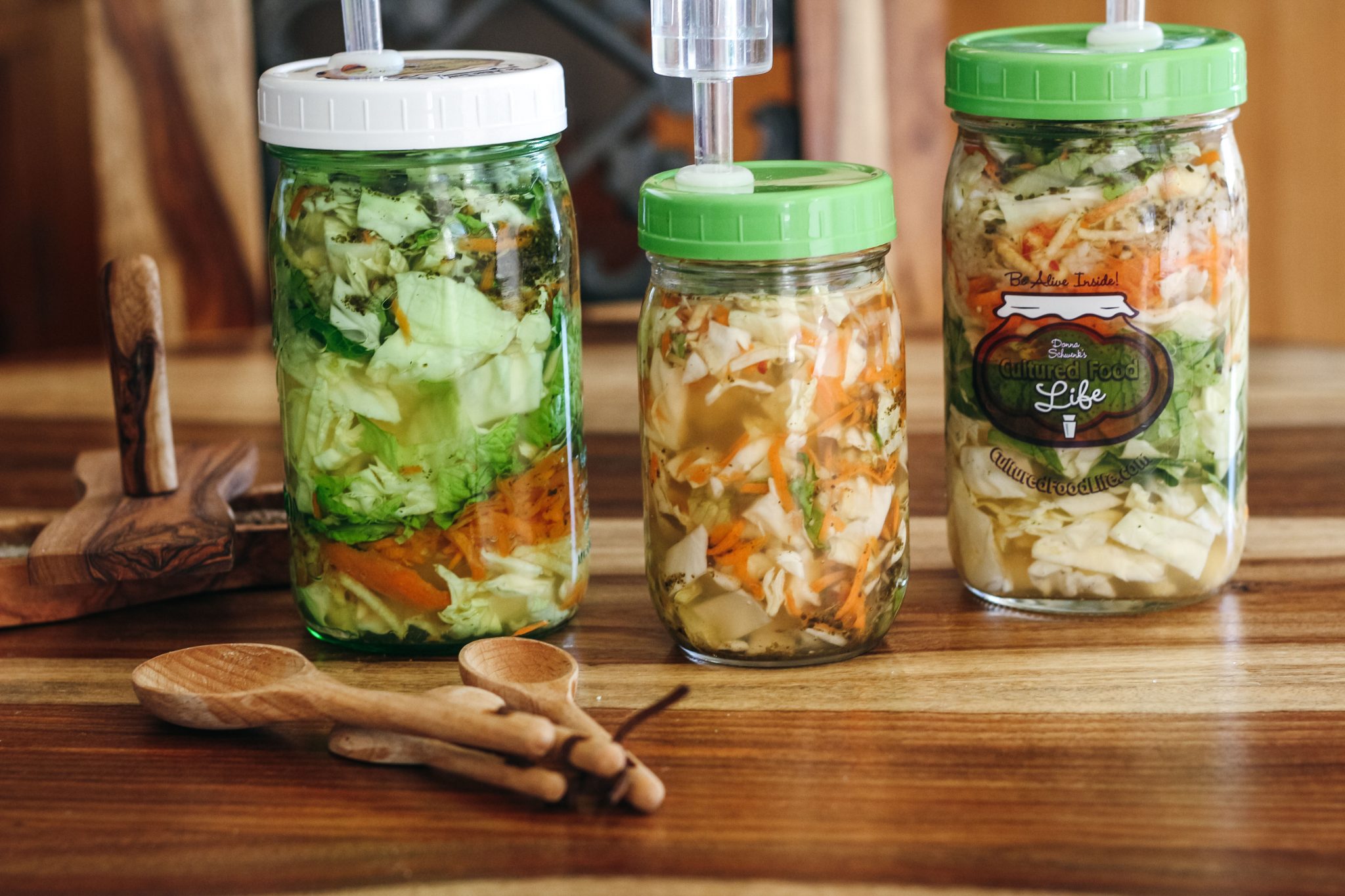 Okay, so how do you make cultured vegetables? There are many methods, but here is mine. I love to cut up the vegetables, place them in a canning jar, and cover them with water. Cultured veggies make their own L. plantarum without a starter culture; but as I have repeatedly noticed, these ferments are never as strong as the ones that add more bacteria from starter cultures to keep the levels of these good bacteria at a higher level longer. L. plantarum is found in Cutting Edge Starter Culture and is just the coolest bacteria ever. It helps remove pesticides from non-organic vegetables, and L. plantarum in your gut will keep pathogenic disease-causing microorganisms from flourishing.
"The natural healing force within each of us is the greatest force in getting well." Hippocrates
Check Out These Recipes!
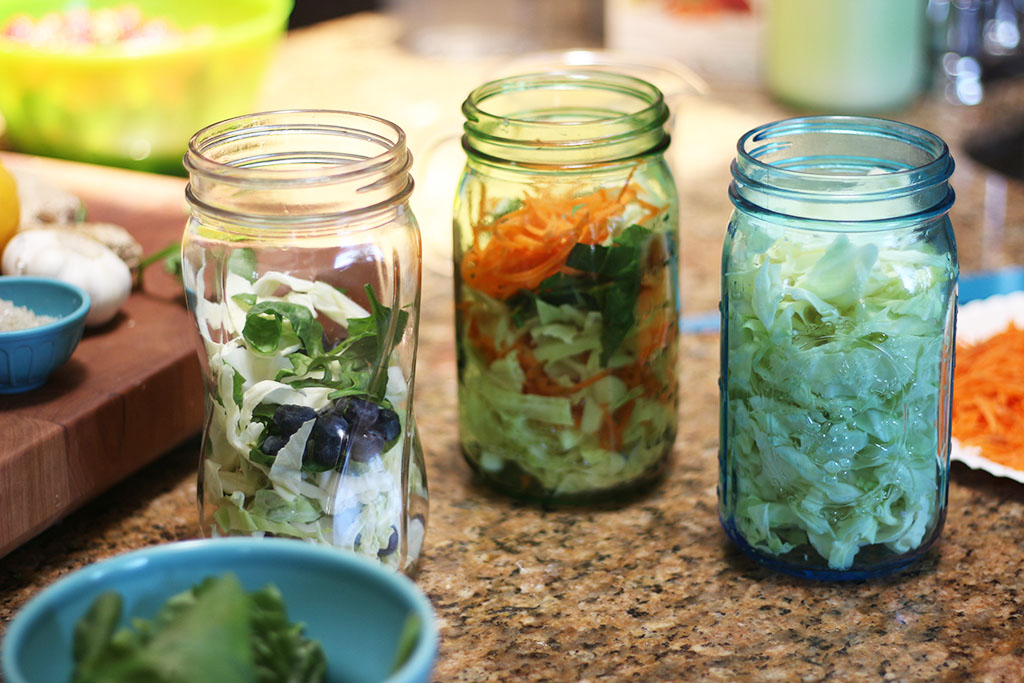
Basic Kraut
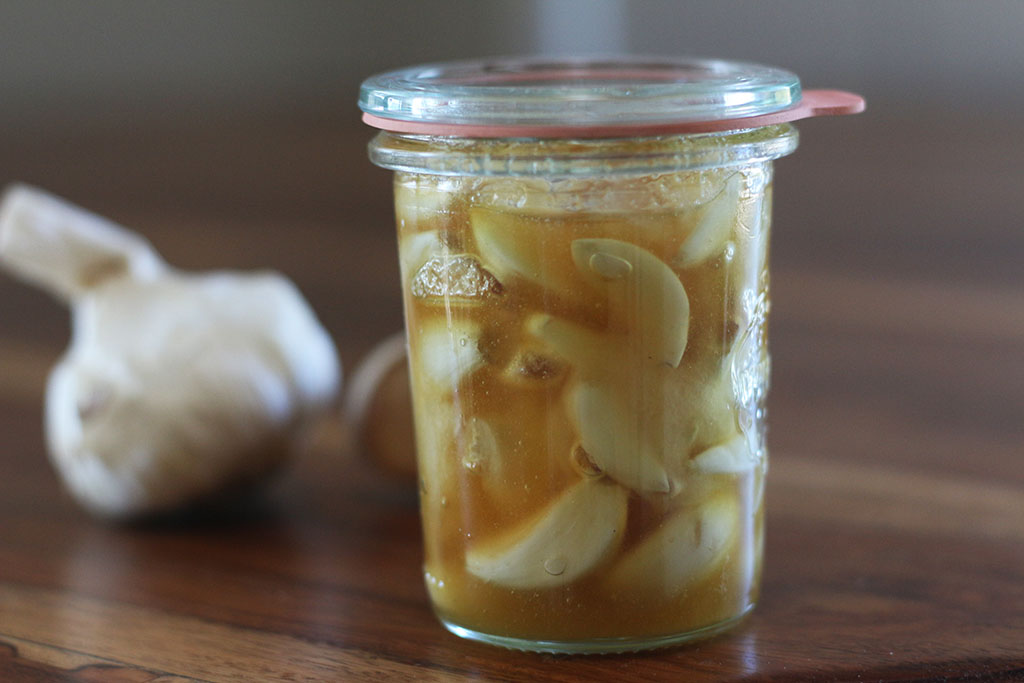
Fermented Garlic and Honey
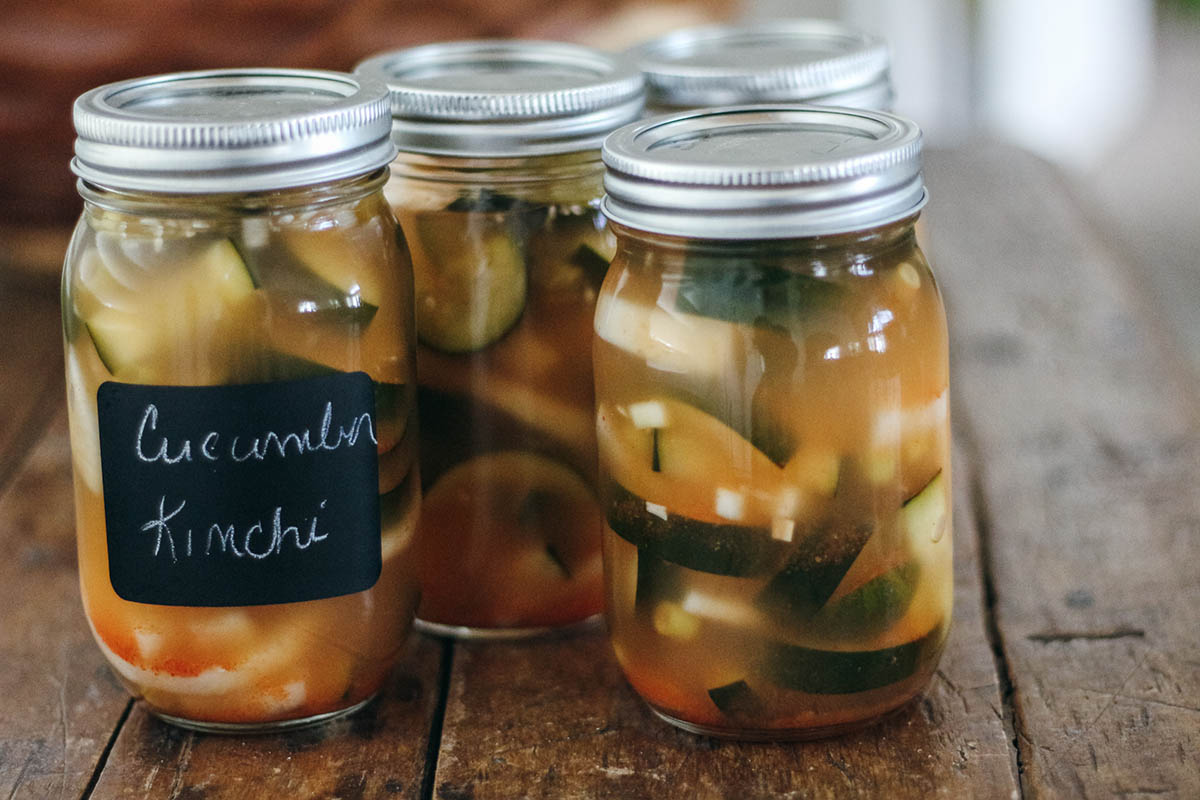
Cucumber Kimchi
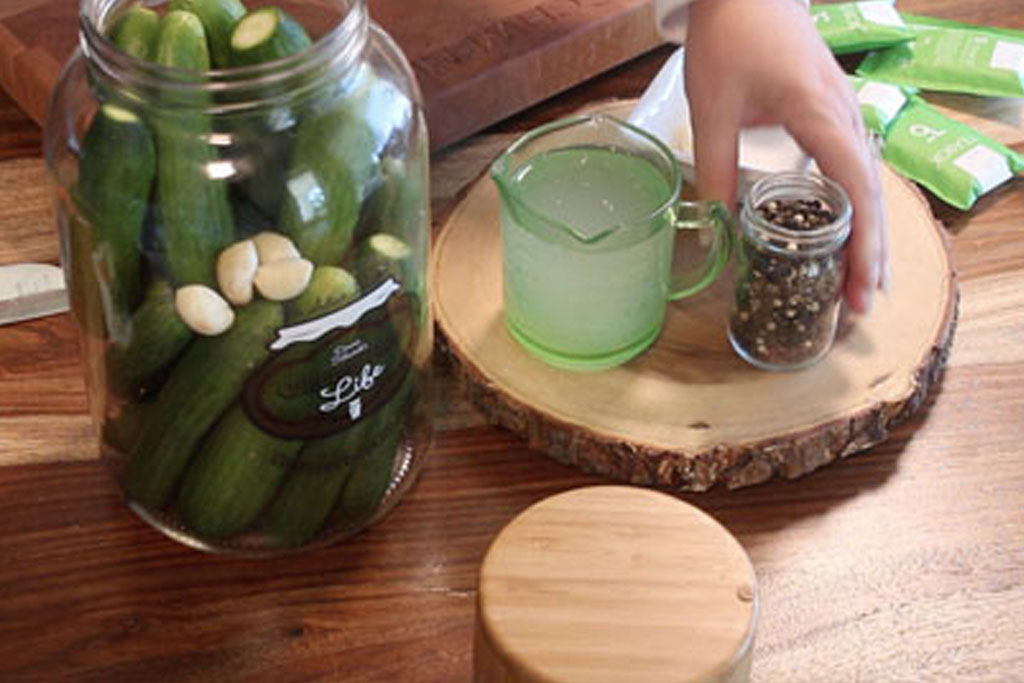
Earl Grey Pickles
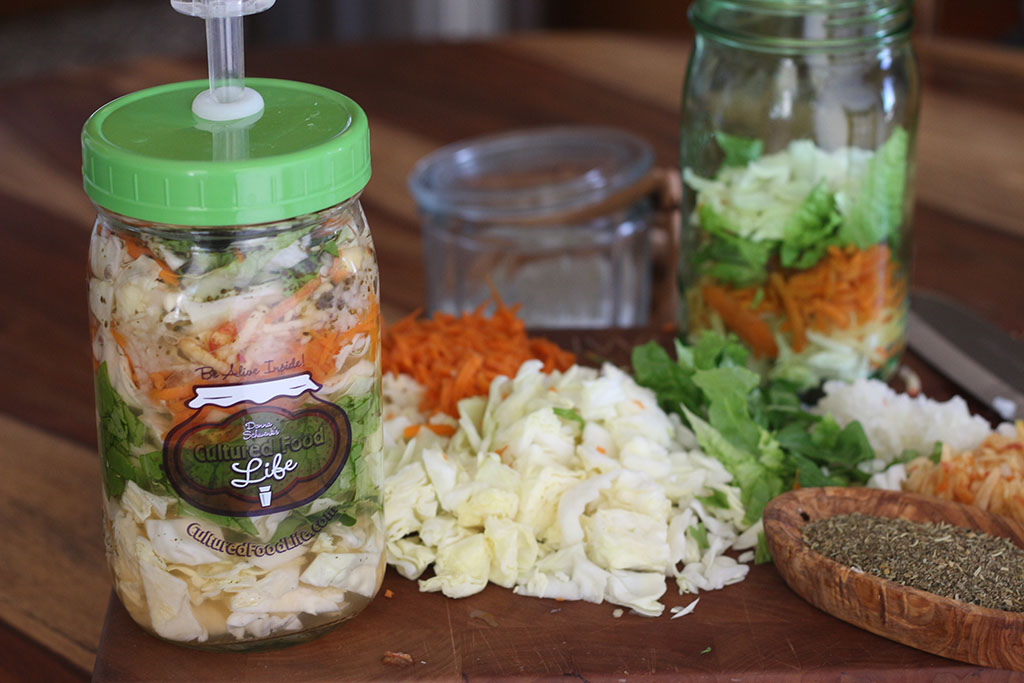
Shelley's Cultured Veggies
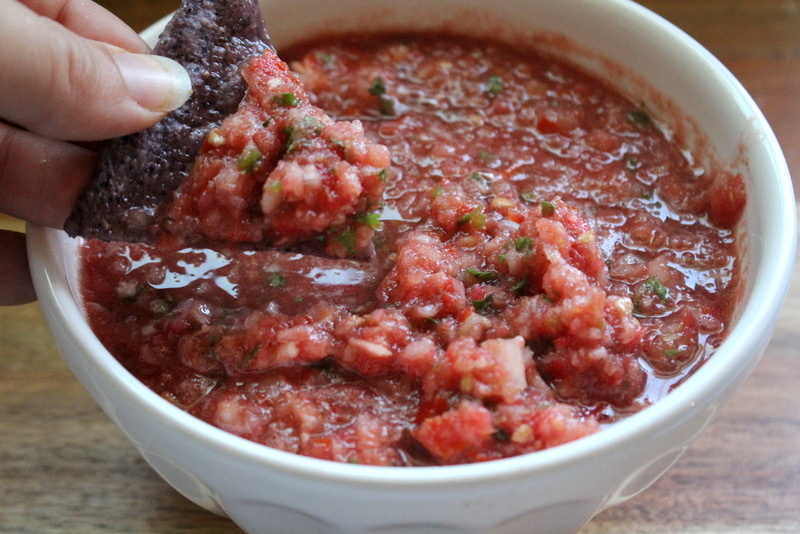
Cultured Border Salsa
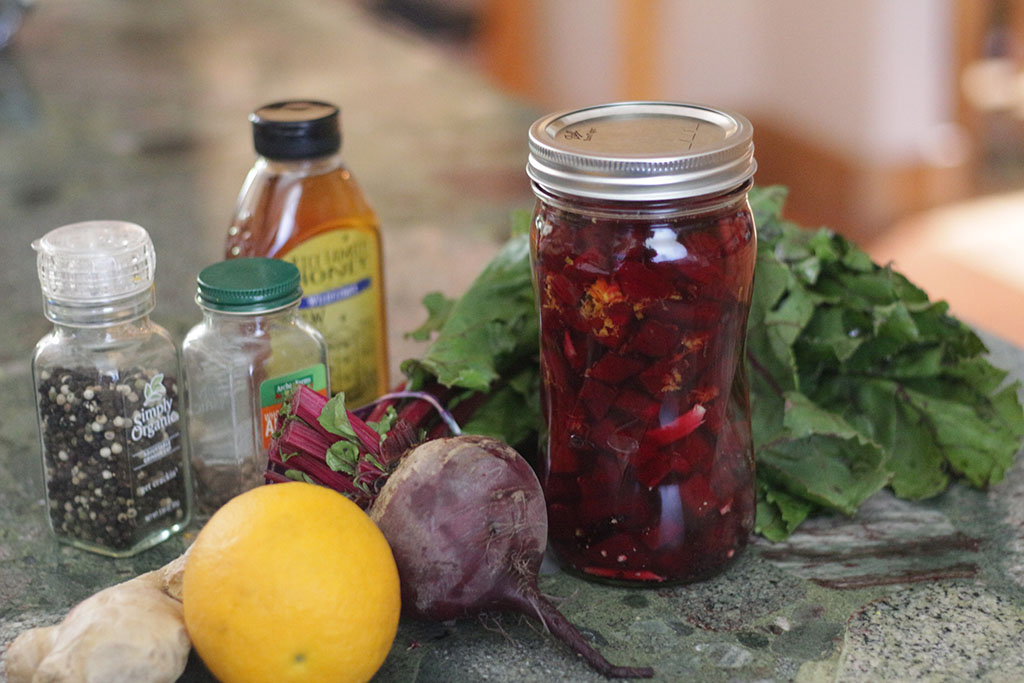

Spicy Cultured Beets and Honey
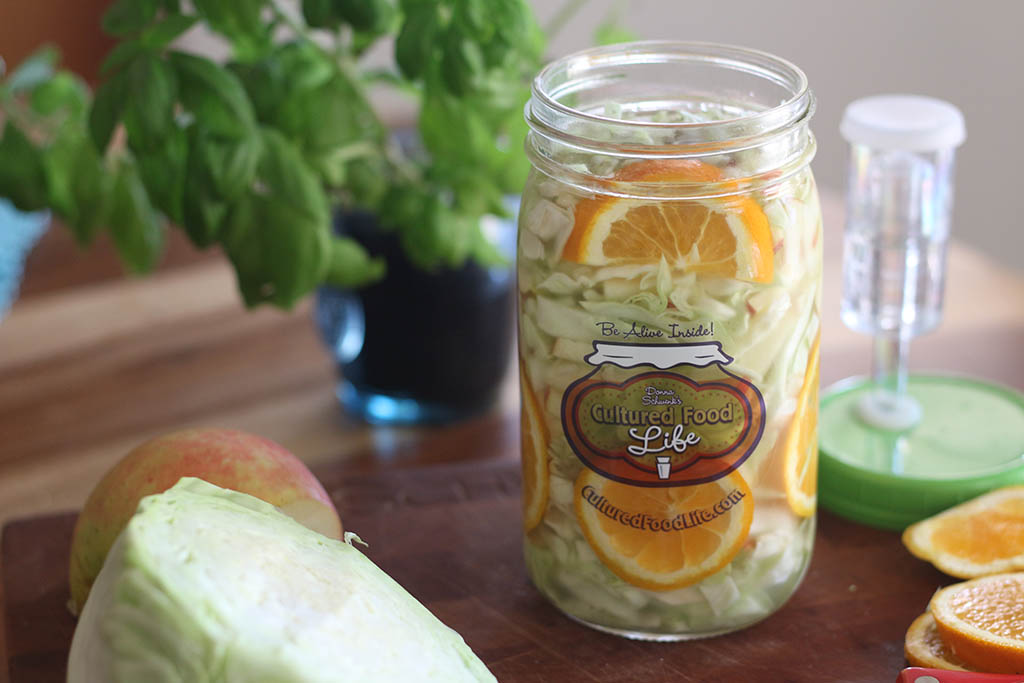
Orangeade Kraut
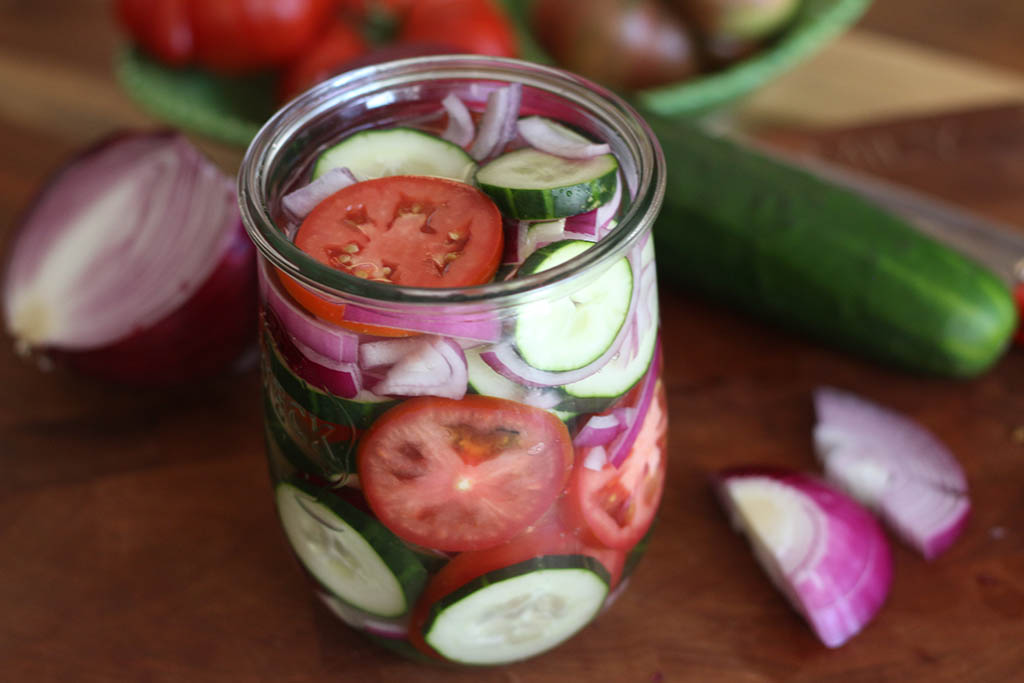
Fermented Cucumber Tomato Salad
Listen To My Podcast
Many people are afraid of fermenting their vegetables. They're often afraid they will mess it up and make themselves sick. Let me help you understand the science behind fermentation and how wonderfully safe and effective it can be. Ferment your foods, love one another, and life will be good!
References:
- http://www.ncbi.nlm.nih.gov/pubmed/23498020
- https://www.ncbi.nlm.nih.gov/pmc/articles/PMC5724841/
- https://www.journalofdairyscience.org/article/S0022-0302(13)00194-X/pdf
- https://www.culturedfoodlife.com/the-food-poisoning-remedy/
- http://www.sciencedirect.com/science/article/pii/S0956713507001703
- http://articles.mercola.com/sites/articles/archive/2011/07/16/this-food-helps-you-to-detox-pesticides.aspx
- http://agris.fao.org/agris-search/search.do?recordID=KR2010002575
- http://www.greenmedinfo.com/blog/nasty-pesticide-wheat-degraded-probiotic-used-culturing-food-1
- Chun, O. K., Smith, N., Sakagawa, A., & Lee, C. Y. (2004). Antioxidant properties of raw and processed cabbages. International journal of food sciences and nutrition, 55(3), 191-199.
Are you on the list?
Sign up today and I'll send you my free Getting Started Guide!
Each week I'll send you updates, tips, recipes, and more! You might even be a winner of my weekly giveaway! (starter cultures, memberships, and more!)
Come be a part of my cultured food family!