Look for me on:



Nourishing Yourself as You Age: Simple Cultured Foods for Strong Bones, Muscles, and a Healthy Brain
Nourishment for your gut and soul
Preparing Food as an act of love
For many women, preparing food has always been an act of love.
We cooked for our children, packed lunches, planned dinners, and made sure everyone else had something nourishing to eat. But as the years pass and the household grows quieter, it can become surprisingly easy to stop cooking for ourselves.
Meals become smaller. We grab a piece of toast, a bowl of cereal, or a few crackers and call it dinner. We may not feel as hungry as we once did, and cooking an entire meal for one person can seem like too much trouble.
But this is the time of life when nourishing ourselves matters tremendously.
This does not mean complicated recipes or hours in the kitchen. It means keeping a handful of simple, nutrient-dense foods nearby and learning how to turn them into satisfying meals in just a few minutes.
Instead, think about building small meals around a powerful center:
- Eggs
- Kefir
- Yogurt
- Cottage cheese
- Kefir cheese
- Chicken or turkey
- Beef
- Salmon, sardines, or tuna
- Beans or lentils
- Nut or seed butter
- Cheese
Then add vegetables, fruit, healthy fats, and digestive fibers around that center.
Small Appetites Need Powerful Foods
As we age, appetite can decrease while the need for many nutrients remains the same—or even becomes more important.
Protein is especially important because the body uses it to maintain and repair muscles, skin, organs, enzymes, immune cells, and other tissues. Older adults are also more vulnerable to losing muscle mass, which can affect balance, mobility, independence, and the ability to recover from an illness or fall.
Why Kefir Is Such a Helpful Food
One of my favorite cultured foods
 Kefir is one of my favorite foods for older adults because it asks so little of you.
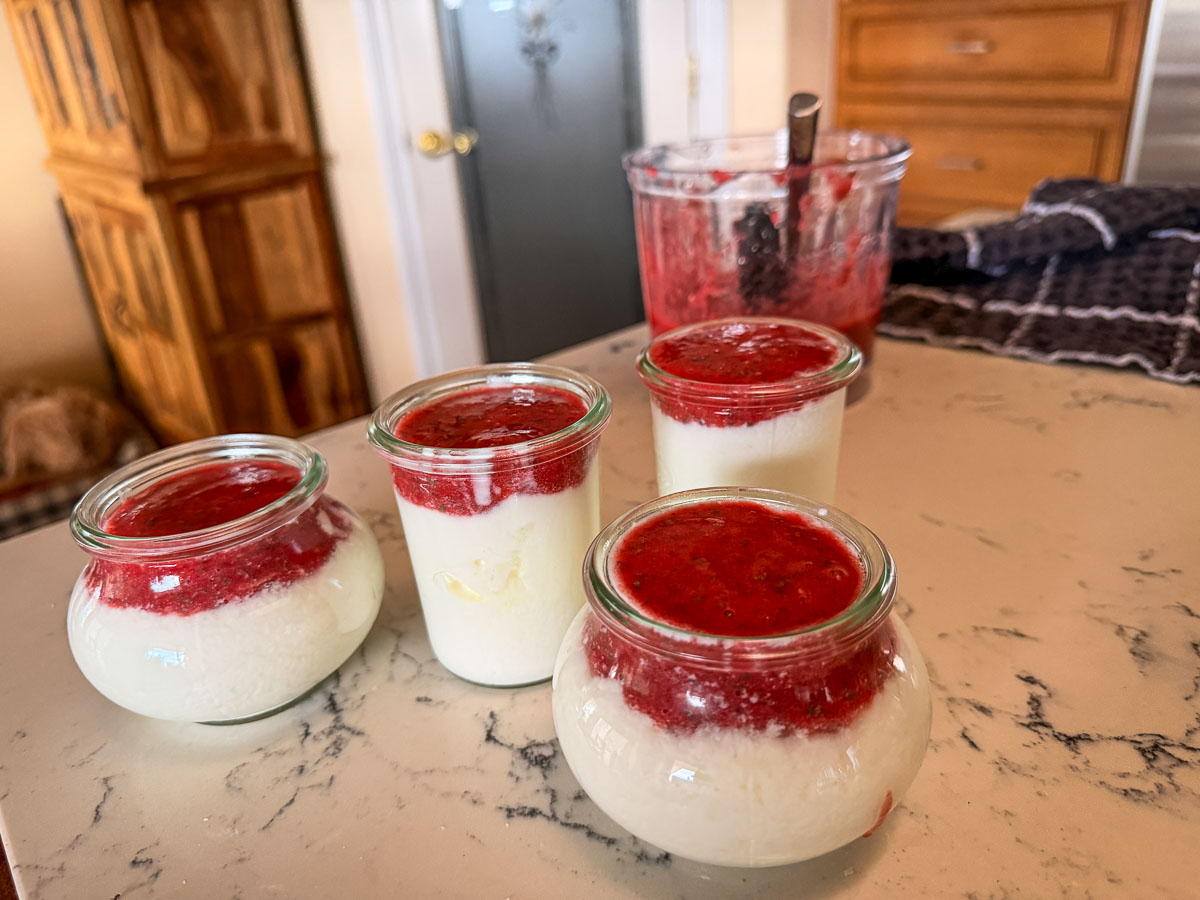
Once you have a jar of kefir in the refrigerator, you can drink it plain, blend it into a smoothie, stir it into a breakfast bowl, strain it into cheese, or use it to make a creamy dressing or spread.
Kefir is made by a community of bacteria and beneficial yeasts that work together during fermentation. This is one of the things that makes kefir different from ordinary yogurt.
During fermentation, these microbes transform the milk. They consume much of the lactose, create acids and other compounds, and change the flavor and texture of the finished food. Kefir also provides protein, calcium, and other nutrients found in milk.
For a woman with osteoporosis, calcium and vitamin D deserve special attention. Calcium helps support bones, muscles, nerves, and the heart. When dietary calcium is inadequate, the body may pull calcium from the skeleton, weakening bones over time. Vitamin D helps the body absorb calcium, and both nutrients are important in osteoporosis care.
Your Microbiome Changes as You Age
 The body is home to many different microbial communities.
The gut has its own microbiome, while the mouth, skin, sinuses, urinary tract, and other moist tissues have distinct microbial ecosystems. They are not all populated by the same organisms, but they interact with our immune system, environment, diet, medications, hormones, and overall health.
The intestinal microbiome is especially important because it helps break down parts of food that we cannot digest on our own. Gut microbes also produce compounds from dietary fibers and influence the intestinal barrier, immune signaling, and communication along the gut-brain axis.
Research into the microbiome, aging, and cognitive health is growing quickly. Scientists have found associations between changes in the gut microbiome and many age-related processes.
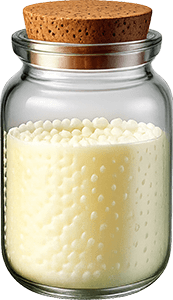 Fermented foods and fiber-rich plant foods can be part of a dietary pattern that supports microbial diversity and healthy aging. Fermented foods bring microbial cultures and fermentation compounds to the meal. Fiber-rich foods provide nourishment for many of the microbes already living in the gut.
We need both.
Fermented Foods and the Brain
 The gut and brain communicate constantly through nerves, immune signals, hormones, and microbially produced compounds. This communication system is often called the microbiota-gut-brain axis.
Some studies have found encouraging associations between fermented dairy, probiotics, and aspects of cognitive function. It's becoming more and more on the leading edge of science. Your gut microbiome is a huge part of aging well [1,2]
The oldest woman in the world, Maria Branyas Morera, who passed away at the age of 117, reportedly ate three servings of La Fageda yogurt daily, a Bulgarian-style yogurt made with milk from their own cows and fermented with Lactobacillus bulgaricus and Streptococcus thermophilus. Researchers found that her gut microbiome had exceptionally high levels of beneficial bacteria, such as Bifidobacteria, often associated with yogurt consumption. While yogurt alone may not be the only secret to her long life, her case suggests a healthy microbiome may support longevity.
Check out Foods that may help support the gut-brain connection include:
- Kefir and yogurt
- Cultured vegetables
- Fermented cottage cheese
- Kefir cheese
- Sourdough bread
- Fiber-rich fruits and vegetables
- Beans and lentils
- Nuts and seeds
- Olive oil
- Eggs and seafood
- Herbs and spices
Brain health is also supported by regular movement, social connection, adequate sleep, learning new skills, and keeping the mind engaged.
Do Fermented Foods Multiply Vitamins?
 Fermentation is sometimes described as multiplying the nutrients in food.
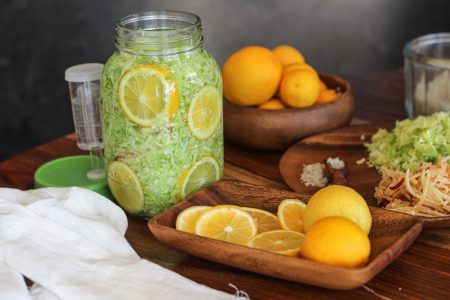
Microbes can create certain vitamins and bioactive compounds during fermentation. Fermentation can also change the availability of nutrients and reduce or transform some components of the original food. Exactly what happens depends on the food, the organisms involved, and the fermentation method. For instance, vitamin C is increased in kraut once fermented. Raw cabbage starts at 60 milligrams a cup, but once fermented, it skyrockets to 700 milligrams.
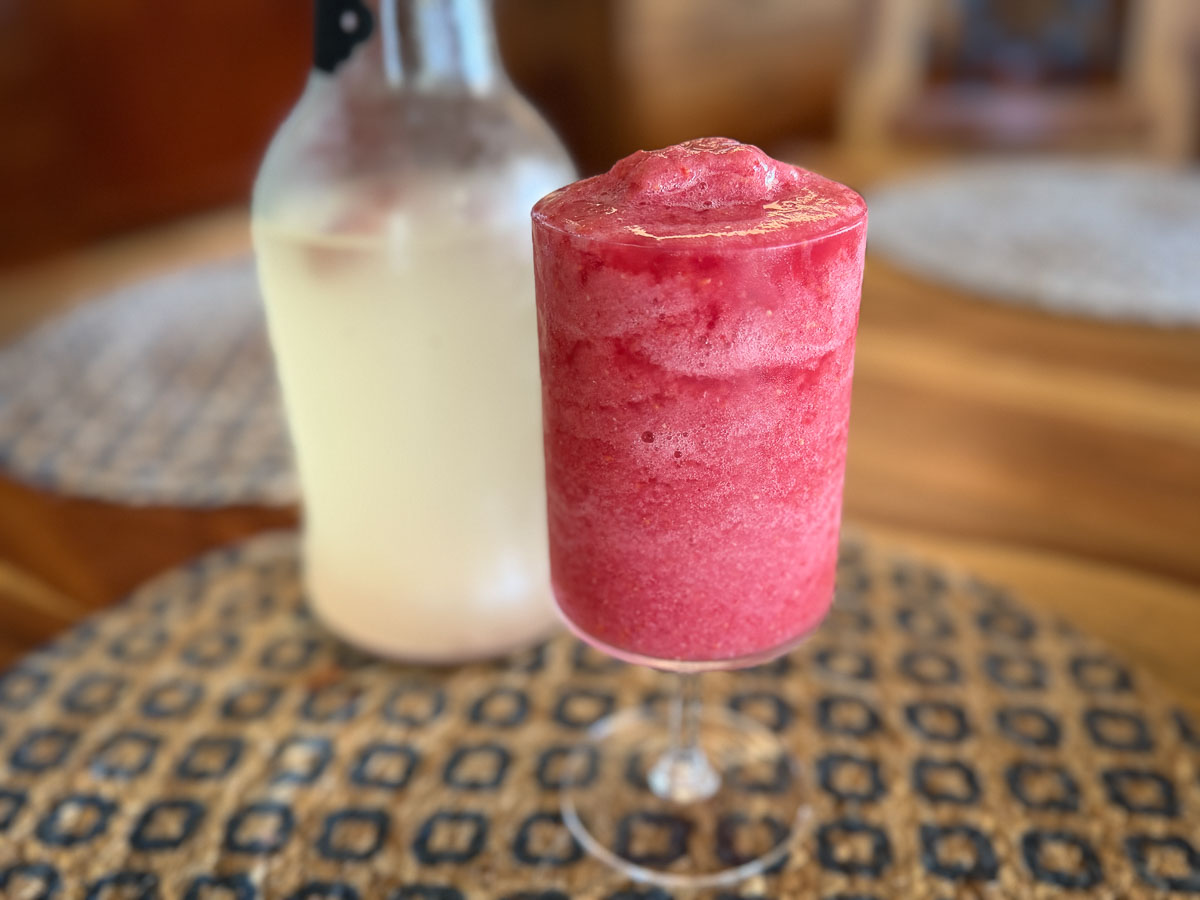
For example, fermenting coconut water into kefir soda does much more than simply add bubbles. The microbes consume sugars and create acids, aromas, and other fermentation products.
 When you make kefir soda with 50% coconut water + 50% water. You get Bacteria: 1 billion CFUs/ml = 236 billion per cup and probiotic yeasts: 54 Million CFUs/ml = 12 Billion per cup.
The microbes take the original ingredients and turn them into something new.
When appetite is small, these cultured foods can help make meals interesting, flavorful, and easy to digest for many people. They can also make a small meal feel much more special.
Protein and Choline for the Aging Brain
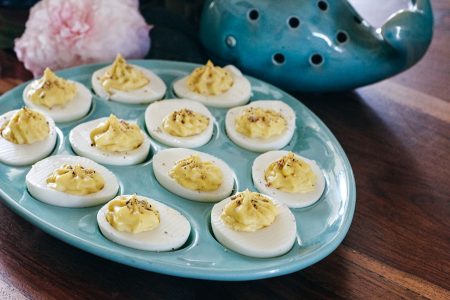 Eggs are one of the easiest and most useful foods to keep in the refrigerator and are great for your brain. [3]
They contain high-quality protein and are among the best dietary sources of choline. Choline is used to make acetylcholine, a neurotransmitter involved in memory, muscle control, and other nervous-system functions.
Eggs are also inexpensive, quick to prepare, and easy to combine with cultured foods.
Try keeping six hard-boiled eggs ready in the refrigerator. Then you can make:
- Egg salad with kefir cheese, and fermented mayonnaise
- A sliced egg on sourdough toast with probiotic cottage cheese
- Scrambled eggs with cultured vegetables
- Deviled eggs made with strained yogurt and fermented mayo
A two-egg meal becomes even more substantial when served with a spoonful of kefir cheese, a slice of sourdough, and a small serving of cultured vegetables.
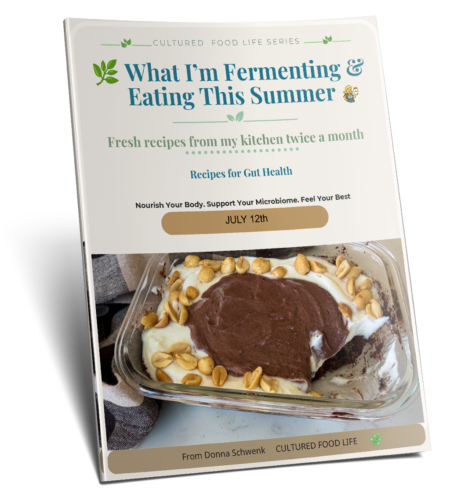
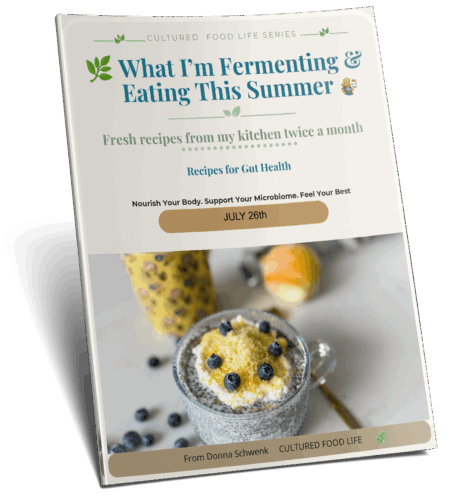
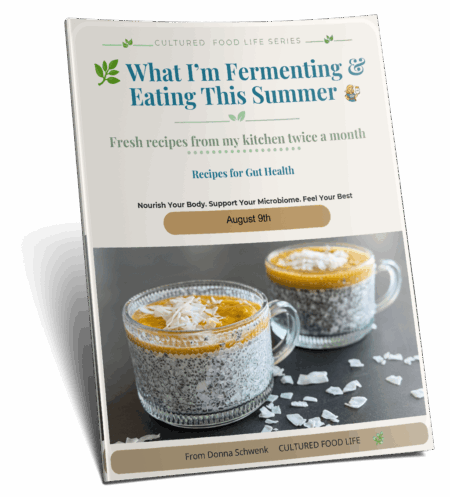
A lot of these recipes are in my summer ebooks. Jump to the eBooks!
 Fiber Feeds the Microbes
 Fiber Feeds the Microbes
Fermented foods bring microbes and fermentation products to the table, but our resident gut microbes also need food.
Many of them thrive on fibers found in:
- Beans and lentils
- Onions and garlic
- Apples and berries
- Oats
- Chia and flaxseeds
- Artichokes
- Asparagus
- Leafy vegetables
- Root vegetables
- Nuts and seeds
- Whole grains and properly prepared sourdough
When microbes ferment these fibers in the colon, they can produce short-chain fatty acids, including butyrate. These compounds help nourish cells lining the colon and participate in metabolic and immune signaling.
Feed Yourself Nourish Yourself
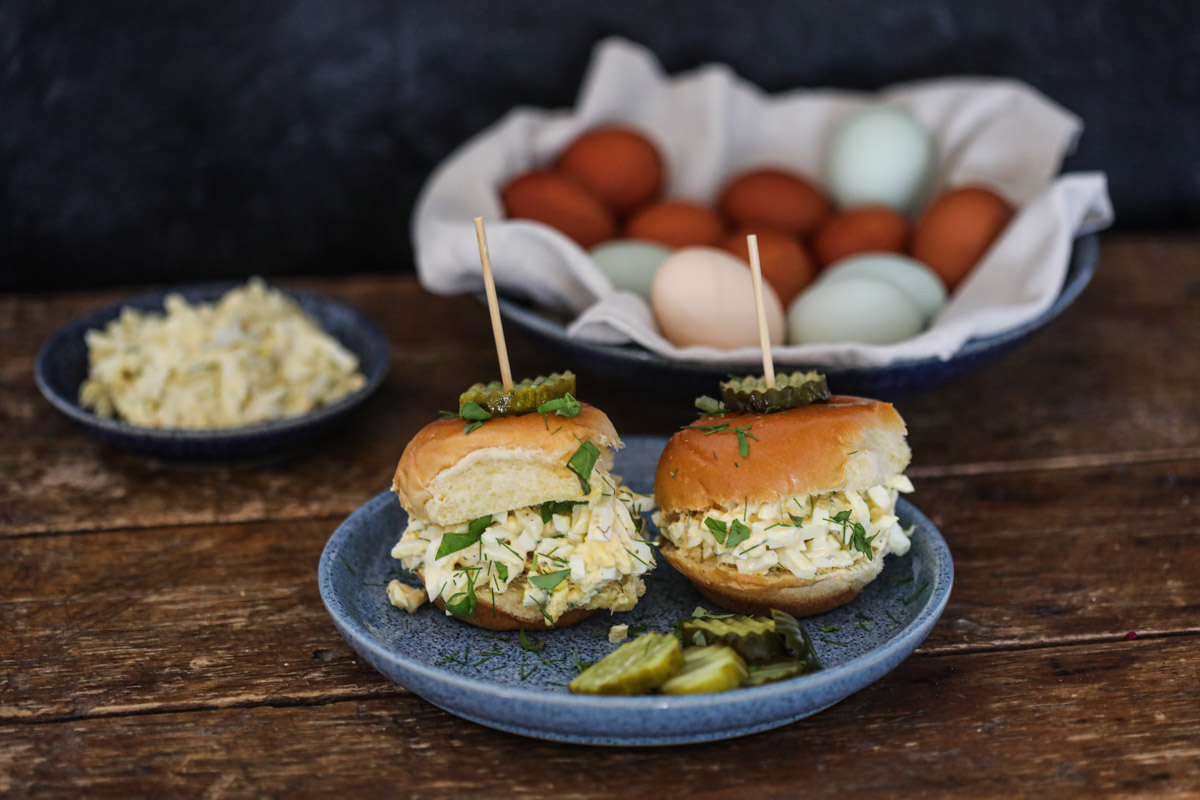
Feed Yourself the Way You Fed Everyone Else
As you grow older, you have to learn to offer that same care to yourself.
Make the eggs.
Pour the kefir into your favorite glass.
Put the yogurt in a beautiful bowl.
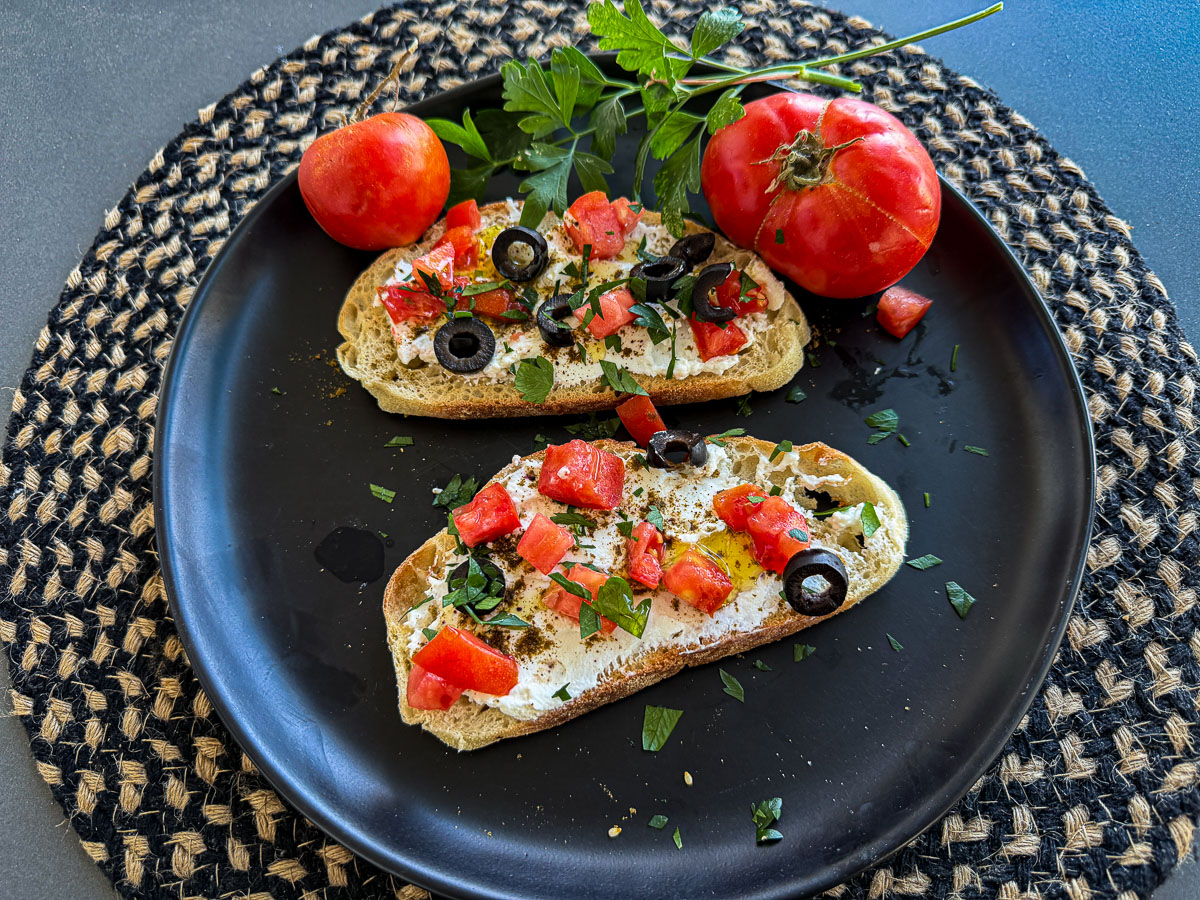
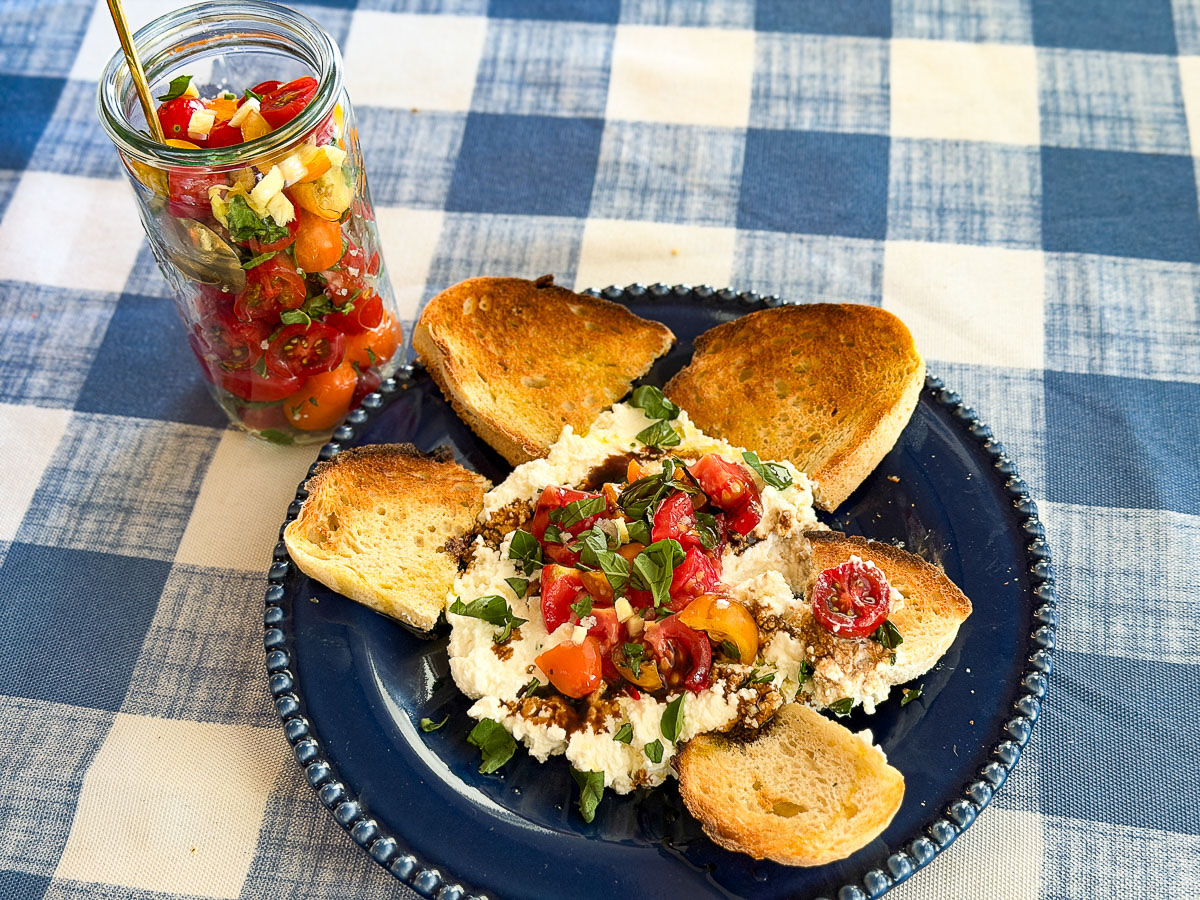
Toast the sourdough and add the olive oil, herbs, and tomatoes.
Make the probiotic ice cream.
Begin a jar of cultured vegetables and watch it transform.
Your body is still doing extraordinary work for you every day. It deserves protein, minerals, fiber, movement, microbial support, pleasure, and care.
Cooking for yourself is not an inconvenience.
It is one of the most personal ways you can say, “My health still matters. My strength still matters. And I am worth feeding well.”
Check it out my summer Ebooks
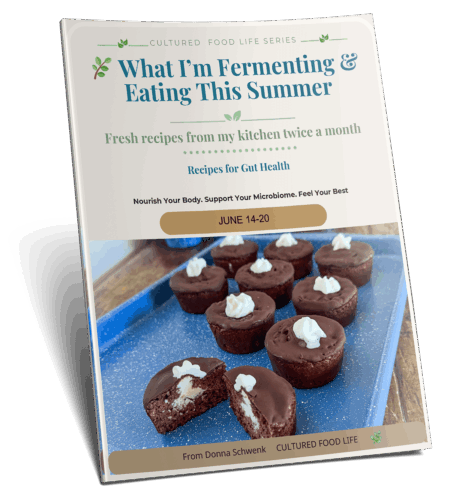
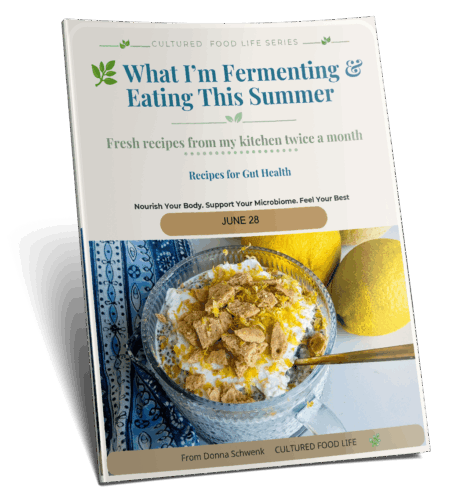
Here is my latest eBook for my "What I'm Fermenting & Eating This Summer" Series! Biotic Pro Members can download this now. If you're not a member, feel free to scroll through the images and watch my new video on page 21 :-)
Collect them all!
Listen To My Podcast
As we age, nourishing ourselves becomes more important than ever. In this episode, I’m sharing simple cultured foods and protein-rich meals that can help support strong bones, preserve muscle, nourish the brain, improve digestion, and keep meals enjoyable—even when you’re cooking for just one.
References I talked about:
Are you on the list?
Sign up today and I'll send you my free Getting Started Guide!
Each week I'll send you updates, tips, recipes, and more! You might even be a winner of my weekly giveaway! (starter cultures, memberships, and more!)
Come be a part of my cultured food family!