
Look for me on:



Are You Choosing the Right Yogurt? 5 Mistakes That Matter for Your Gut
What Makes Each Yogurt Different
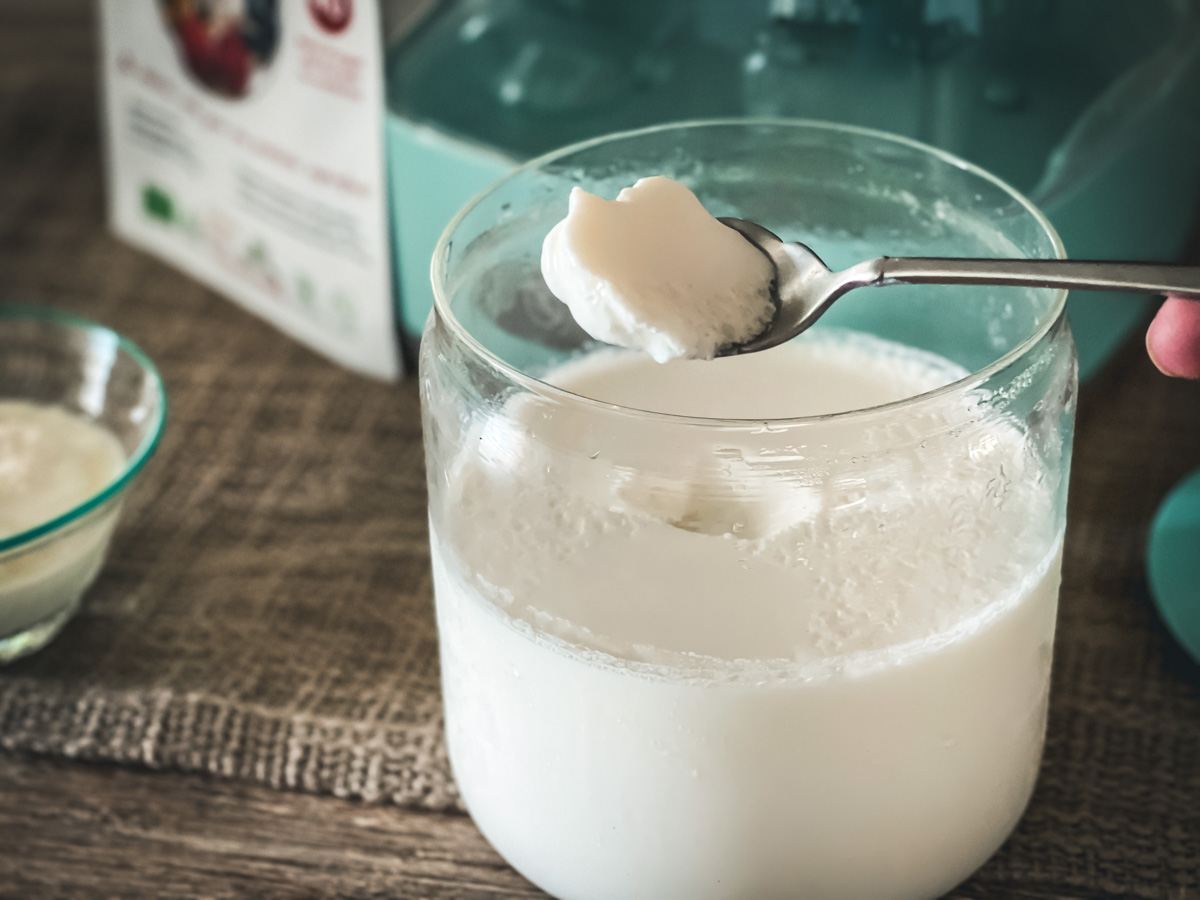
🥄 Mistake #1: Assuming all yogurt has lots of probiotics
Walk into any grocery store, and you’ll see an entire wall of yogurt.
Different brands, different labels, different claims… all promising to be “good for your gut.”
But here’s what I’ve learned after years of making and studying cultured foods:
Not all yogurts are created equal—and some of them aren’t helping your gut at all.
In fact, a few common mistakes can completely change the way yogurt affects your body.
Most store-bought yogurts contain just a few strains of bacteria—typically:
- Lactobacillus bulgaricus
- Streptococcus thermophilus
These are beneficial, but they’re very limited compared to what your gut really thrives on. We can talk about the benefits and what is best for you.
These yogurts are beneficial—but they’re very different in what they offer your body. Once you understand that, you can start choosing what works best for you.
🍓 Mistake #2: Choosing flavored yogurts loaded with sugar
 Many yogurts marketed as “healthy” are filled with:
- Added sugars
- Fruit concentrates
- Artificial flavors
This matters because excess sugar can:
- Feed unwanted bacteria
- Disrupt balance in the gut
- Work against the benefits you’re trying to get
Even though yogurt starts as milk (with lactose), fermentation helps reduce that natural sugar.
But when sugar is added back in?
It changes everything.
👉 A better choice: plain yogurt + your own fruit or a little honey
⏱️ Mistake #3: Not understanding fermentation time
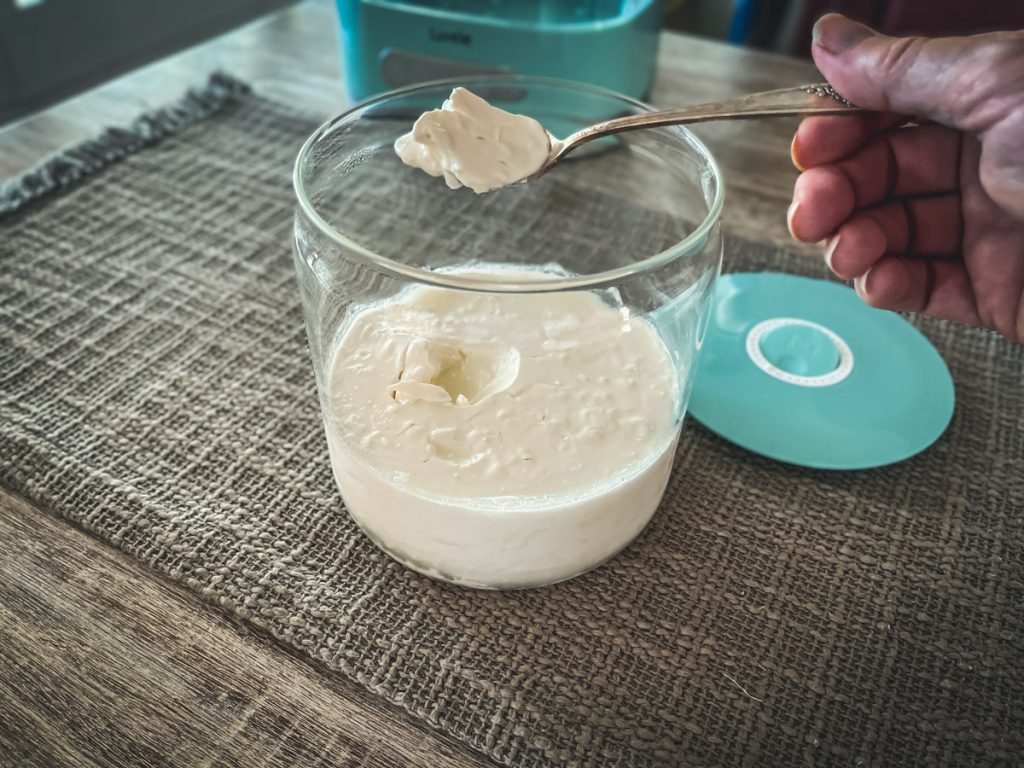 This is one of the most important—and most overlooked—parts of yogurt making.
Fermentation time changes everything.
The longer a yogurt ferments:
- The more bacteria multiply
- The more lactose is consumed
- The more beneficial compounds are created
But here’s what most people don’t realize:
👉 Different yogurts need different fermentation times.
Some yogurts thrive with longer fermentation
Certain cultures—such as L. reuteri and L. gasseri—are fermented for up to 36 hours.
This extended time allows those specific bacteria to:
- Grow in much higher numbers
- Create more powerful benefits
But there’s a catch:
👉 They need more food.
Because they ferment for so long, you have to give them enough to eat (often by adding prebiotics or additional nutrients), or they’ll run out of fuel before the process is complete.
 🥣 Other yogurts do better with shorter fermentation
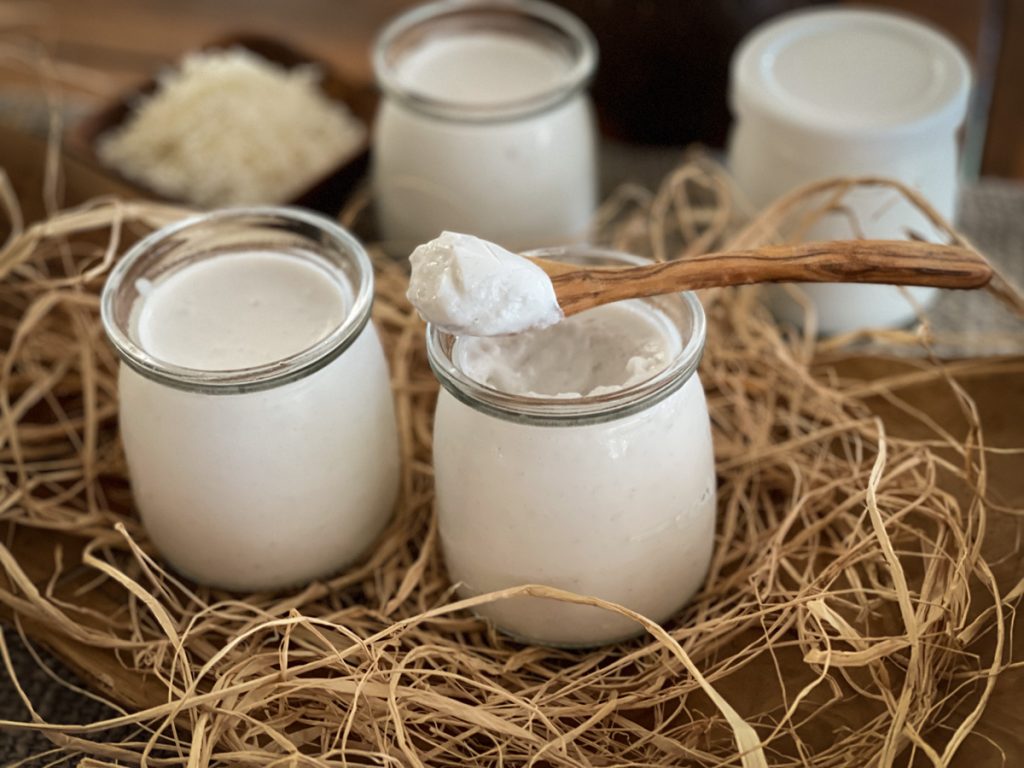 🥣 Other yogurts do better with shorter fermentation
Yogurts made with more traditional Bulgarian-style cultures—like Greek yogurt, Skyr, or Yogurt Plus—don’t need nearly as much time.
You can ferment them longer…
…but not too long.
If they go too far:
- They run out of food
- The bacteria slow down
- The yogurt can become overly sour or break down
👉 For these types, 7–12 hours is usually the sweet spot.
🌿 Prebiotics can change the timing
When you add prebiotics, you:
- Give the microbes more fuel
- Help maintain higher probiotic levels
- Slows the fermentation process
This is especially helpful for longer ferments—we don't really recommend adding prebiotics to Yogurts that ferment for shorter periods at higher temperatures, as it will take much longer to ferment.
🧊 Mistake #4: Thinking thicker always means better
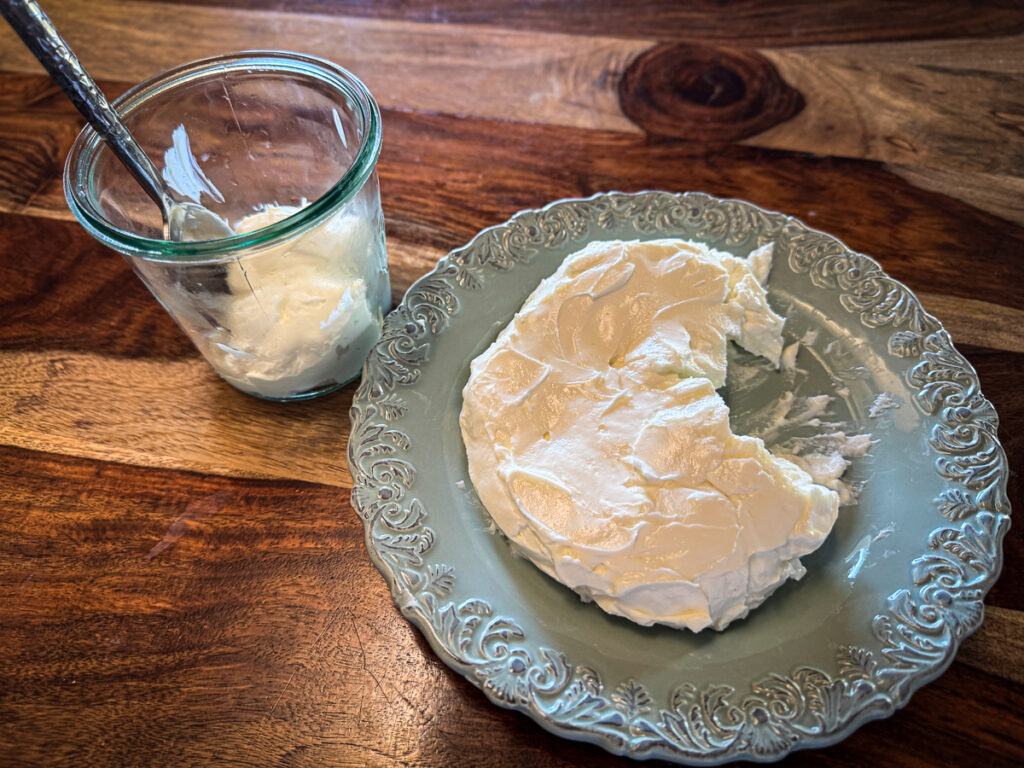 Thick yogurt has become very popular—and for good reason. But here’s where people get confused:
👉 They assume thickness automatically means it’s better for their gut. That’s not the full story.
🥣 Straining yogurt has real benefits
When you strain yogurt (like Greek yogurt or Skyr), you remove some of the whey.
This creates a yogurt that is:
- Higher in protein
- Lower in lactose
- Thicker and more satisfying
For many people, this makes it:
- Easier to digest
- More blood sugar-friendly
- More filling
👉 And those are wonderful benefits.
 🌿 But there’s something to understand
 🌿 But there’s something to understand
That liquid whey you remove also contains:
- Beneficial bacteria
- Nutrients and compounds from fermentation
So when you strain yogurt, you’re not making it worse…
👉 You’re simply changing its benefits.
It’s not better or worse—just different
Strained yogurts are fantastic for:
- Protein
- Satiety
- Lower lactose needs
But other fermented foods—like Kefir—offer:
- More microbial diversity
- More active fermentation compounds
Straining yogurt is not a mistake—it’s a tool.
👉 Use it based on what your body needs.
🏷️ Mistake #5: Relying on labels instead of understanding the process
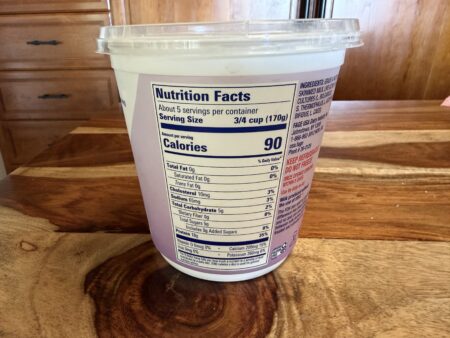 “Probiotic.”
“Live and active cultures.”
“Gut healthy.”
These labels sound great—but they don’t tell the whole story.
They don’t tell you:
- How long was it fermented
- What strains were used
- Whether those strains are still active
👉 The process matters more than the label. You might not be getting many probiotics, and that's important! The best way to get an abundance of probiotics is to make it yourself.
Some brands add specific probiotic strains, such as Bifidobacterium or Lactobacillus acidophilus, at the end of production to ensure higher counts, while others may use only transient starter cultures that do not survive digestion.
Look for the "Live & Active Cultures" seal or mention of specific strains on the label.
🌿 The Real Health Benefits of Different Yogurts
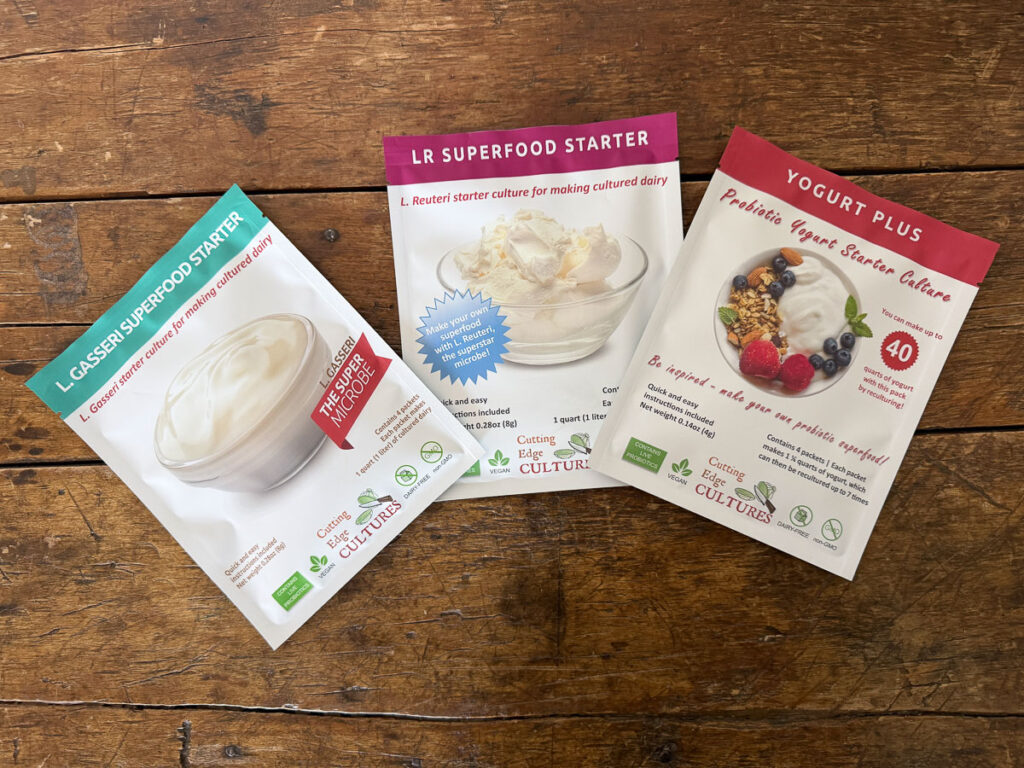 Not all yogurts support your body in the same way.
Different cultures do very different things—and when you understand that, you can choose yogurt based on what your body actually needs.
 Yogurt Plus

Yogurt Plus is unique because it includes bifidobacteria, which are especially important for:
- Supporting immune system function
- Help restore missing microbes that may contribute to food allergies
- Helping balance the gut microbiome
- Supporting digestion and overall gut health
- Helps to support building Bifidobacteria
👉 These are some of the key beneficial bacteria that many people lack.
Skyr Yogurt

Skyr is made with traditional Icelandic cultures and has a very distinct quality:
- Thick, creamy, almost cheese-like texture
- High in Protein – Higher than most regular yogurt; supports muscle repair and bone health, keeps you full longer
- Excellent Source of Calcium – Plus phosphorus for strong bones, teeth, nerves, and heart function
- Supports Heart Health – Naturally low in fat and rich in minerals like potassium and calcium; helps regulate blood pressure
- Great for Weight Management – High protein + low sugar helps stabilize blood sugar, reduce cravings, and support healthy weight goals
It’s one of my favorite-tasting yogurts because of its rich, satisfying texture.
🥣 Greek Yogurt
 🥣
🥣 Greek yogurt is one of the most popular strained yogurts—and for good reason:
- Aids blood sugar control (protein slows digestion)
- Supports weight management (helps with satiety and metabolism)
- Versatile and nourishing (great for sweet or savory recipes)
- Rich in vitamins and minerals like potassium, magnesium, and B vitamins
L. reuteri yogurt

Here are some of the things L. reuteri is known for:
- Supports oxytocin production (the “love hormone”)
- Helps support gut balance (SIBO and IBS support)
- Helps control candida and unwanted microbes
- Supports muscle growth and bone density
- Helps with H. pylori
- Supports deep, restful
L. gasseri yogurt

L. gasseri is known for metabolic and digestive support:
- Supports a healthier gut microbiome
- May help reduce cravings and appetite
- Supports immune function
- Helps with bloating and digestion
- Helps with female health-UTIs
What do I do?
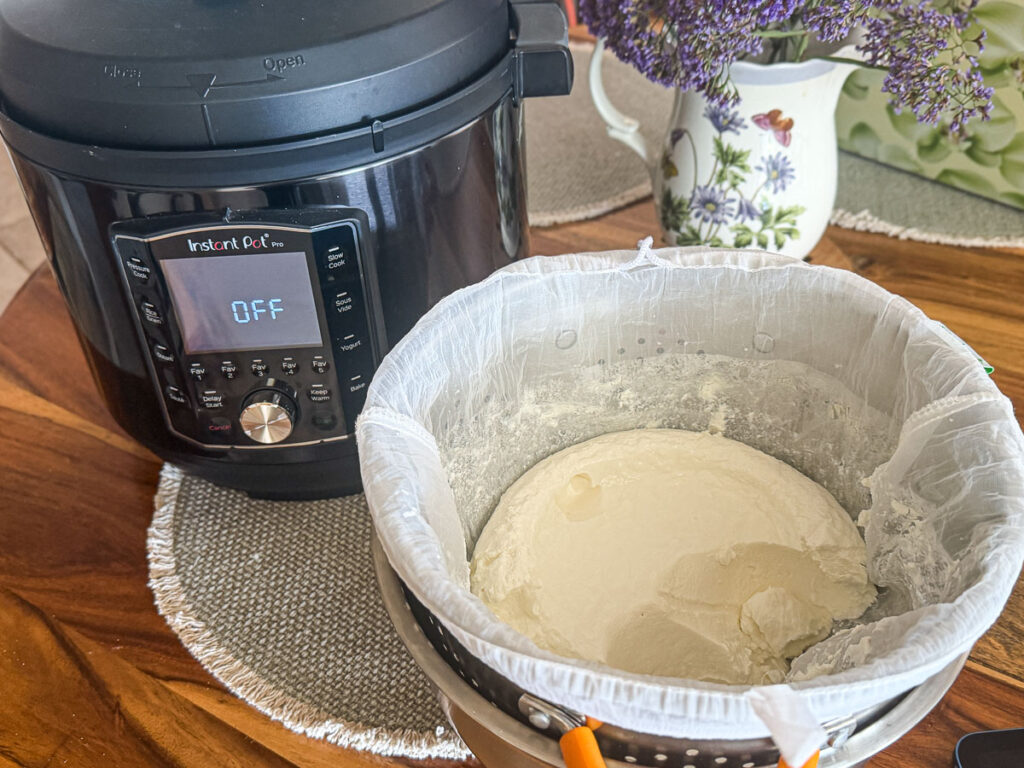 For me, I like to rotate them.
I usually make a gallon each week and switch things up to get a wider range of benefits.
This week, I made Yogurt Plus. I chose it because it contains Bifidobacterium longum. So many people around me have been sick lately, and Bifido is wonderful for supporting the immune system. When flu is going around, I like to “put up my shields” with kefir—the most diverse cultured food—and Yogurt Plus. I use it in everything that week.
Last week, it was a gallon of Skyr. I love Skyr because when I strain it, it thickens into a creamy cheese. I’ve been doing more weight training, so I wanted the extra protein—and Skyr really delivers, especially when strained.
Then there’s Greek yogurt. It’s just so versatile. I use it for savory meals, sweet desserts, and salad dressings. I love making sugar-free treats for the week, and Greek yogurt works beautifully for that. This has really become a lifestyle for me—creating healthy foods that are also fun and satisfying.
L. reuteri yogurt and L. gasseri are a little different. I think of them as more therapeutic. When I want extra support—for mood, gut health, or just overall balance—I reach for those. Although honestly, all cultured foods, especially kefir, seem to support what I call the “joy factor.”
In the end, you don’t have to make everything. 👉 Pick what you need… or simply make what you love.
Your body is always talking to you—you just have to listen. More diversity = better support for your microbiome
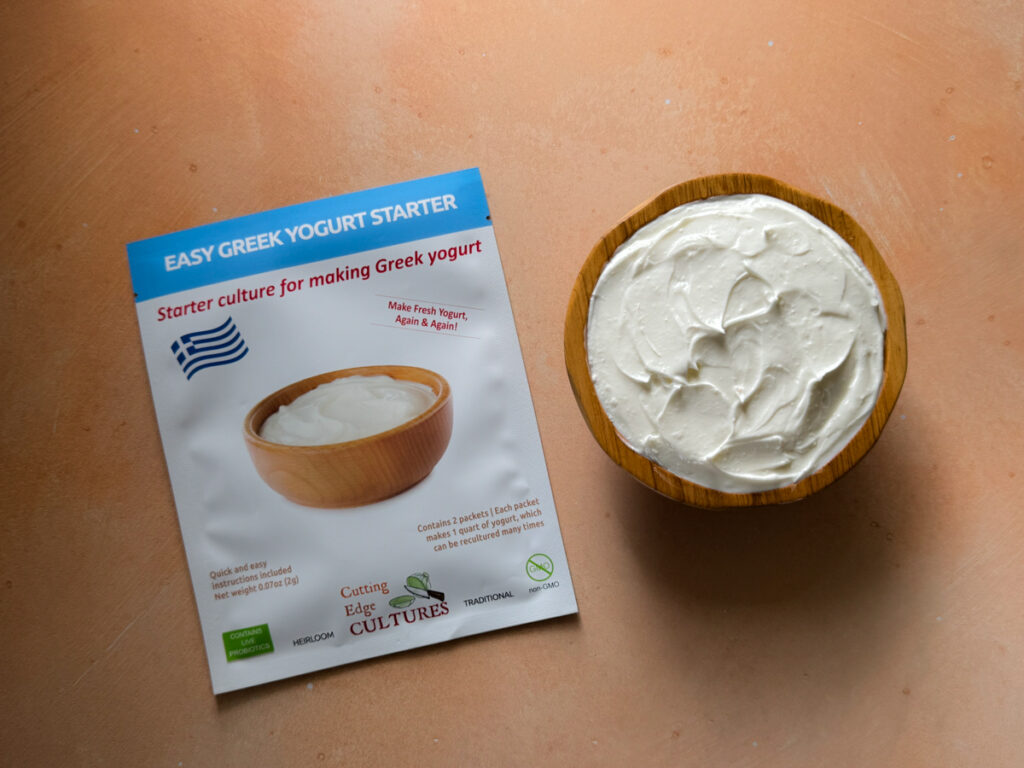


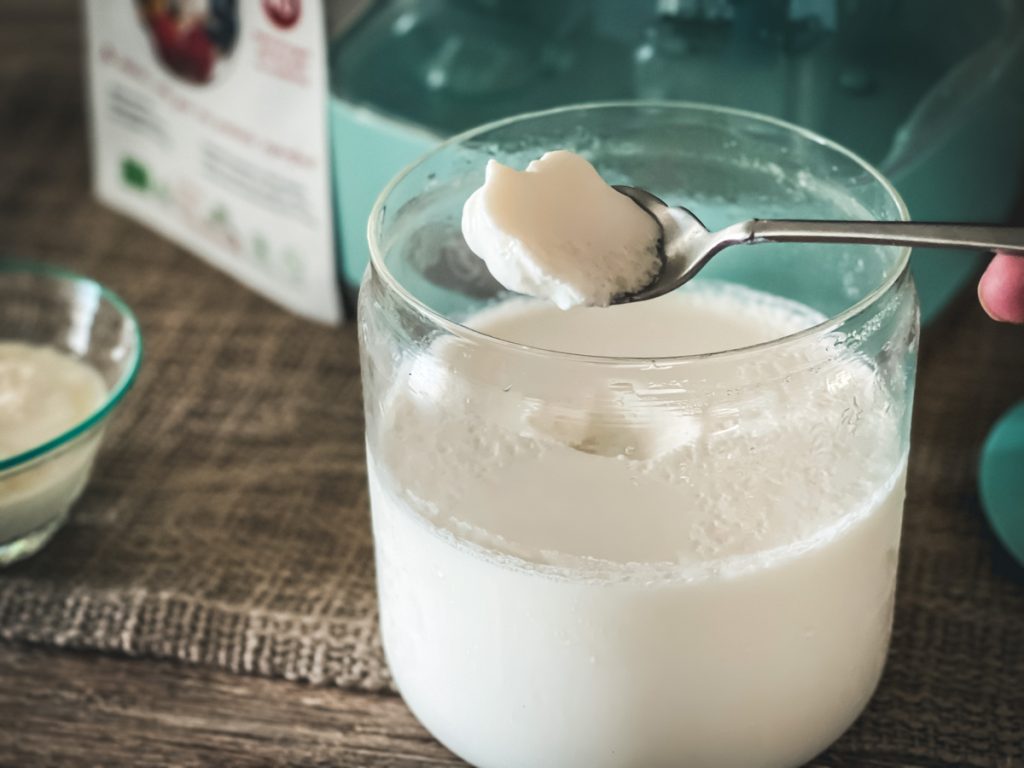
Yogurt Makers You Can Use
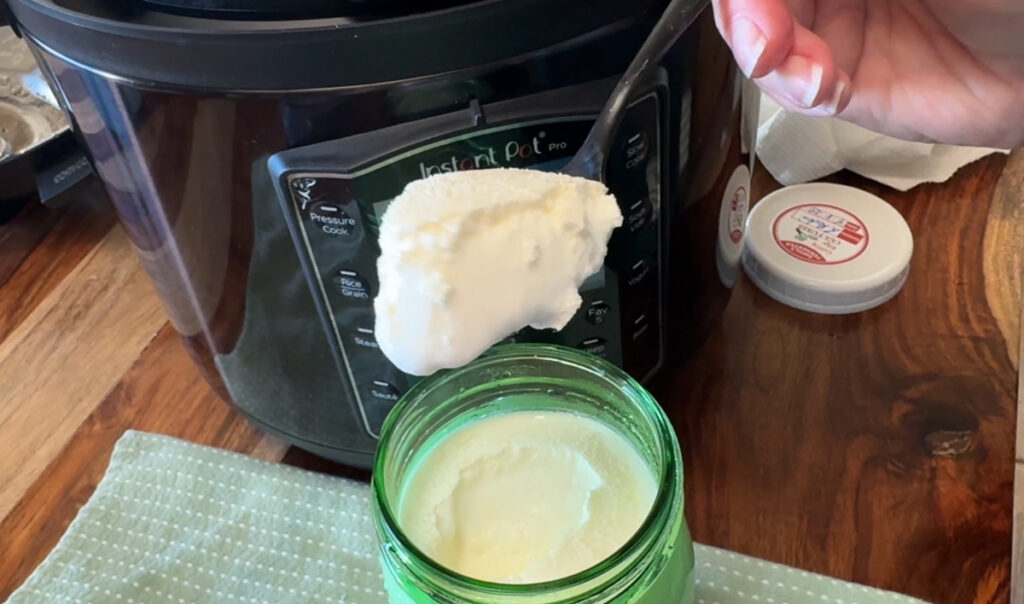
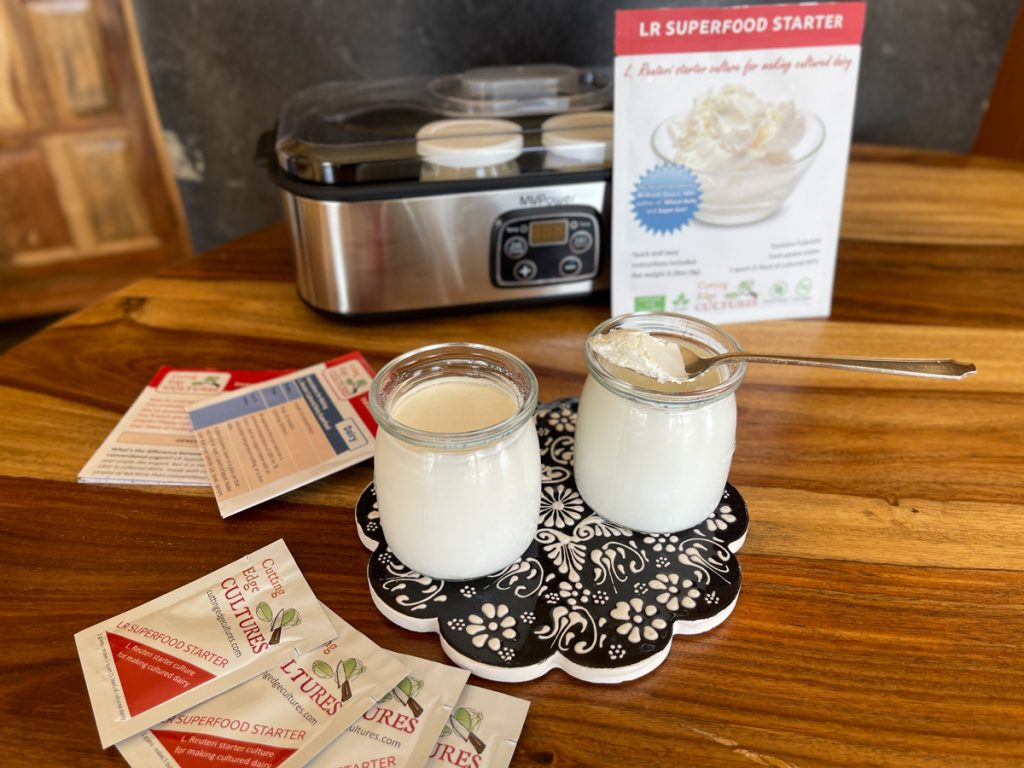
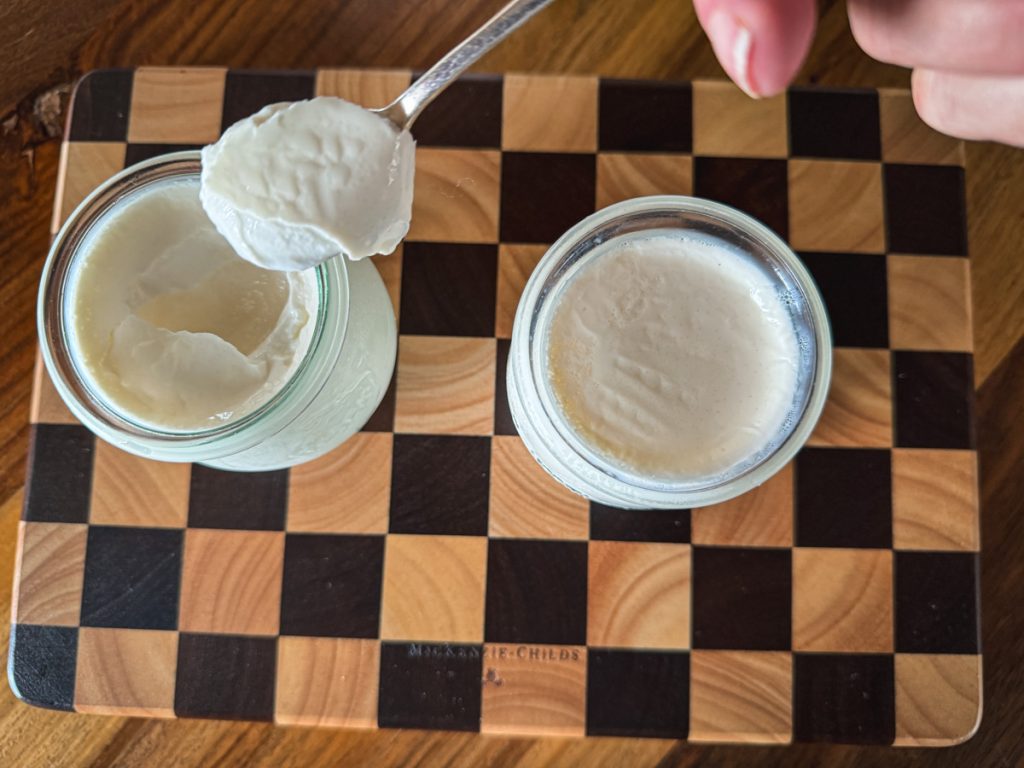
To keep your L. reuteri or L. gasseri at the best temperature, you'll need an appliance with a temperature adjustment of 100°F and a timer that can be set to 36 hours. This can be a yogurt maker, Instant Pot, or sous vide device. You'll need to make sure your device has those features. Here are some appliances that should work well for you.
Yogurt Plus Skyr and Greek Yogurt can be made in any yogurt maker and even in an insulated mug!


Ultimate Probiotic Yogurt Maker
This is a great yogurt maker that can make small jars or bigger bowls. They even have one that makes 12 jars. They are available on Amazon, and you can buy extra jars and bowls if you'd like. It comes with a lifetime warranty and lets you set the time and temperature. It is perfect and convenient for making L. reuteri or L. gasseri yogurt, as well as other yogurts.
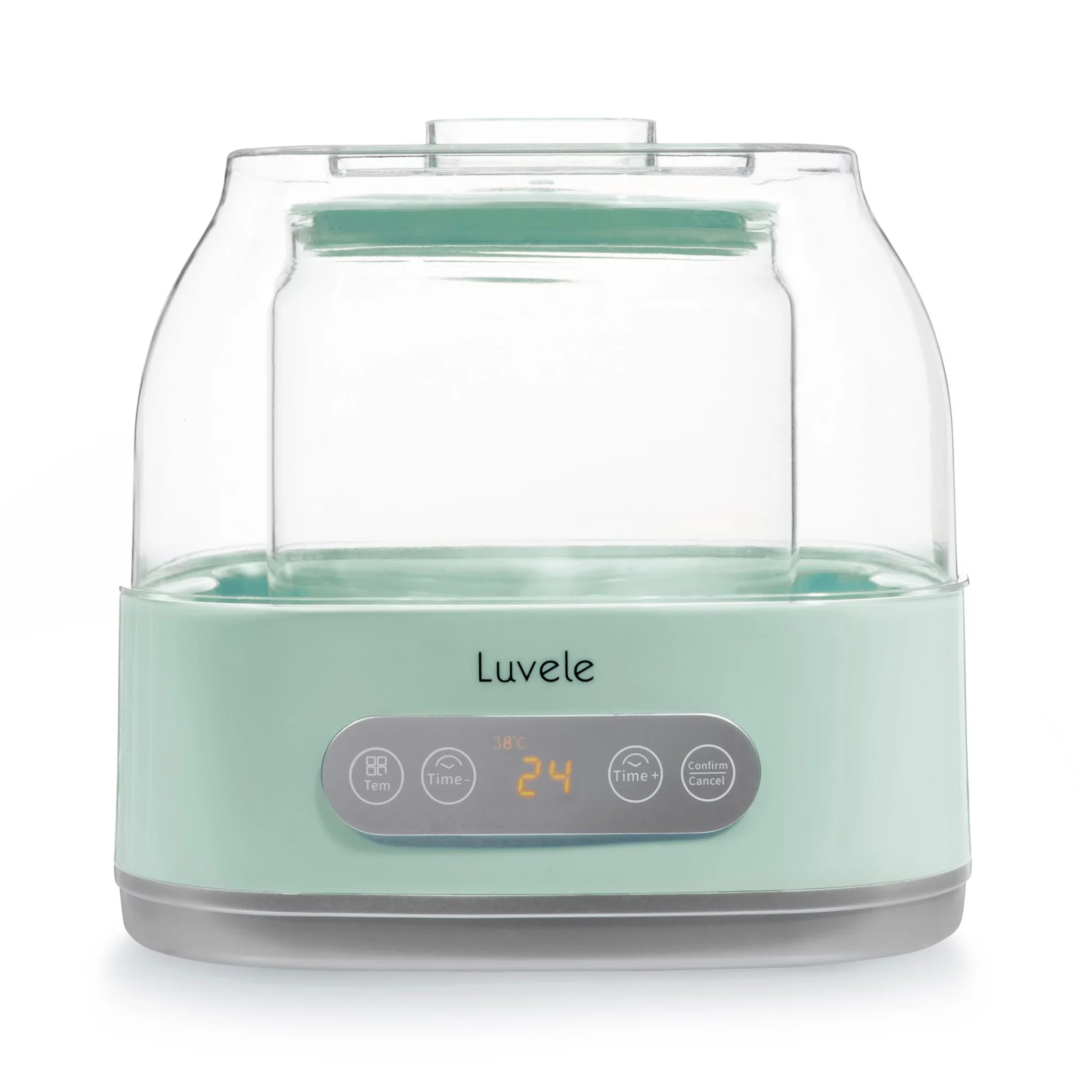
Luvele Yogurt Maker
This is a great yogurt maker. It is a 2.1 QT (2L) Glass Container and is made by Luvele, which is a terrific company that is passionate about what they do. Highly recommended.
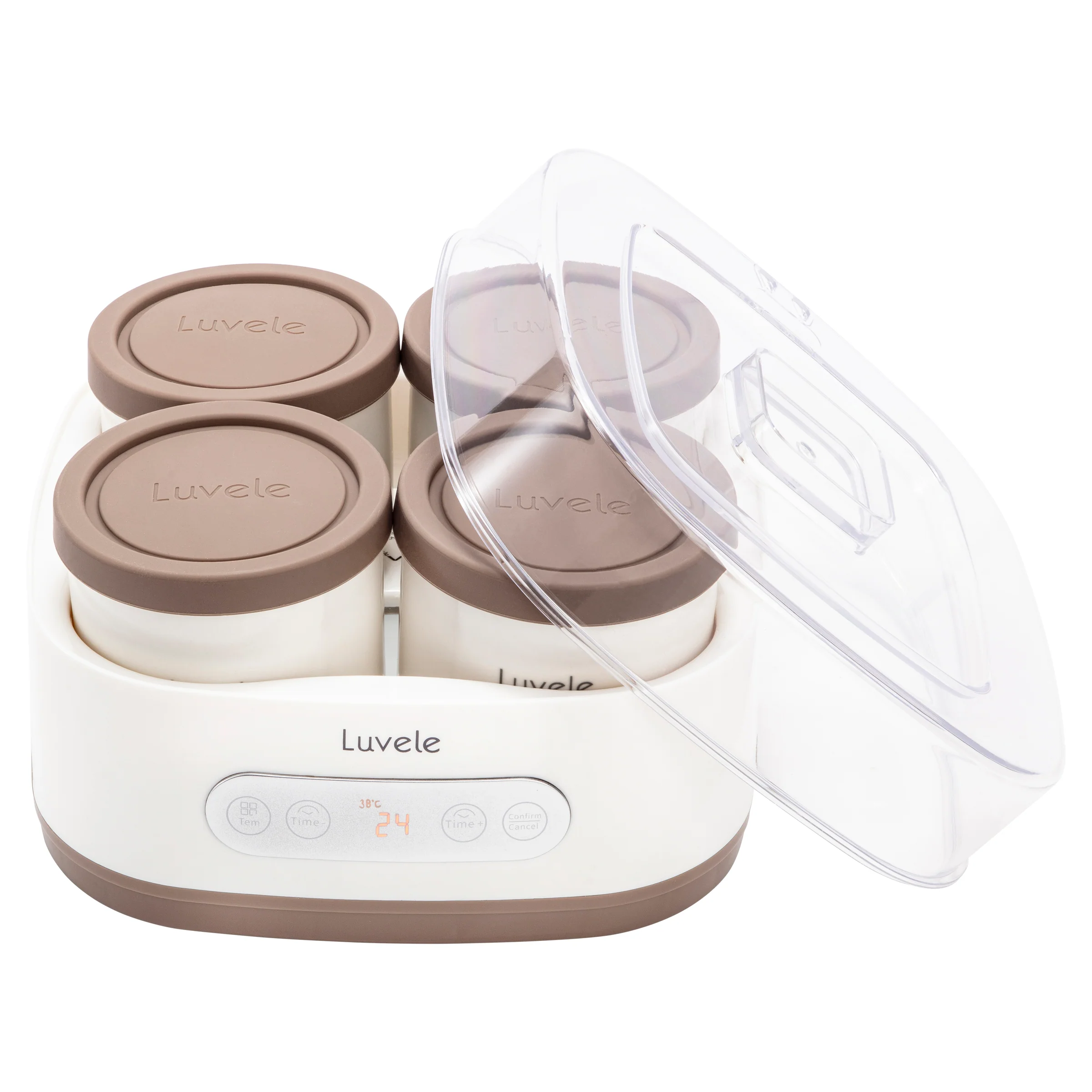
Luvele 4 Jar Yogurt Maker
This is another great updated yogurt maker from Luvele. You get 4 jars which are each 13.5 ounces. It keeps the temp between 78 and 122 degrees F and has a 36-hour digital. It's great for making multiple kinds of yogurt.
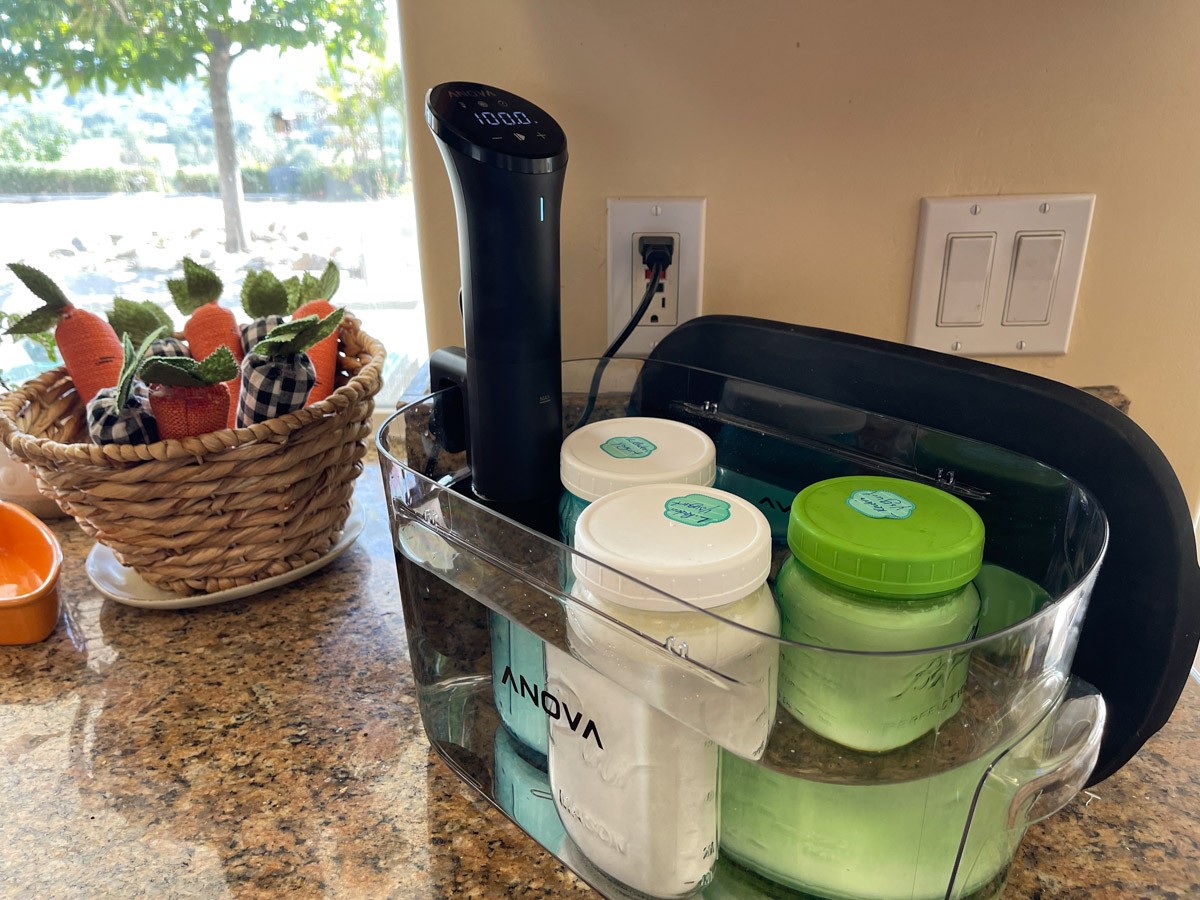
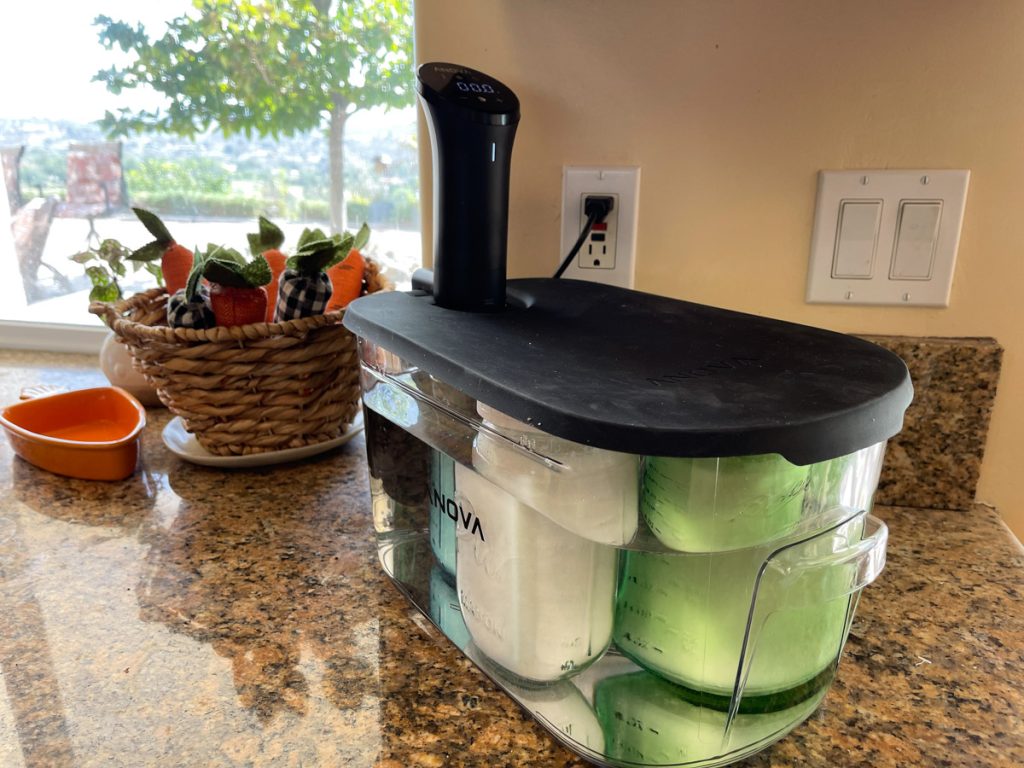
Sous Vide
We've made dozens of jars of yogurt with this device. You can make larger batches so it's very convenient. It's actually a well-known cooking method used by many chefs.
You'll need a sous vide stick and a container to place the yogurt in a water bath. It allows you to make several jars at one time and controls the temperature perfectly.
Here is a link for the container I use but you can use your own container if you'd like:
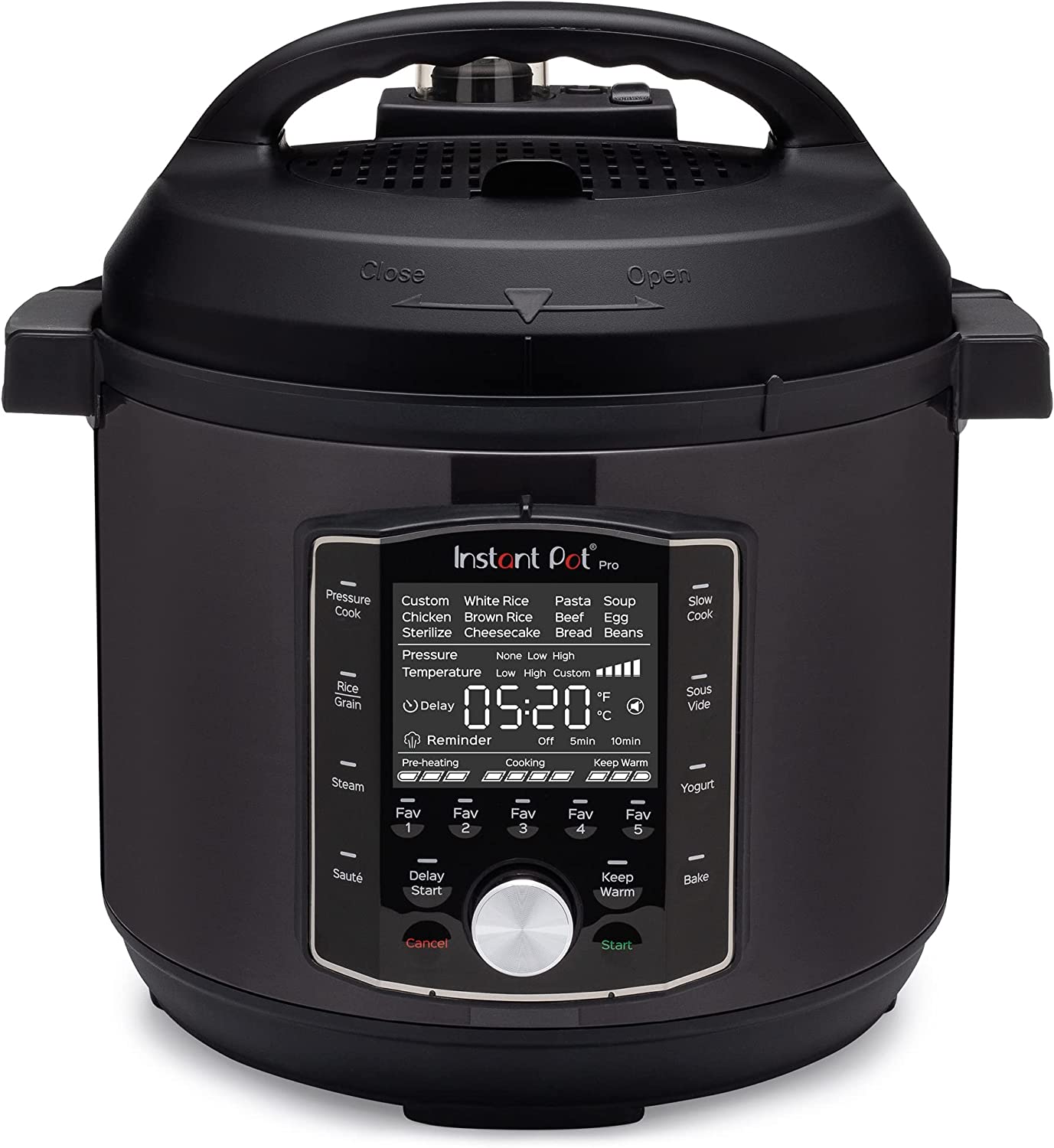
Instant Pots/Pressure Cookers
Not all Instant Pot models have a manual temperature setting that can be set to 100°F.
L. reuteri and L. gasseri bacteria love human body temperature. Regular yogurt makers and Instant Pots are usually set to higher temperatures of 110°F or more, which is too hot for L. reuteri or L. gasseri to survive.
Test your device with a cup of water and a thermometer before making your first batch. I hesitate to recommend certain brands because it isn't always standard for all the pots, so please just make sure yours can maintain 100°F.

An insulated mug works great for making Yogurt Plus, Skyr, or Greek Yogurt. Any high-quality insulated mug that is at least 30 ounces will work.
Instructions are in the recipes.
I have my own mug that you can purchase.
Every item with a link was selected by me to make it easier for you. I may receive a small affiliate commission if you buy something through my links. Thank you! ❤️
Are you on the list?
Sign up today and I'll send you my free Getting Started Guide!
Each week I'll send you updates, tips, recipes, and more! You might even be a winner of my weekly giveaway! (starter cultures, memberships, and more!)
Come be a part of my cultured food family!