Look for me on:



Your First Month With Cultured Foods —What To Expect
The First Step
In The Beginning
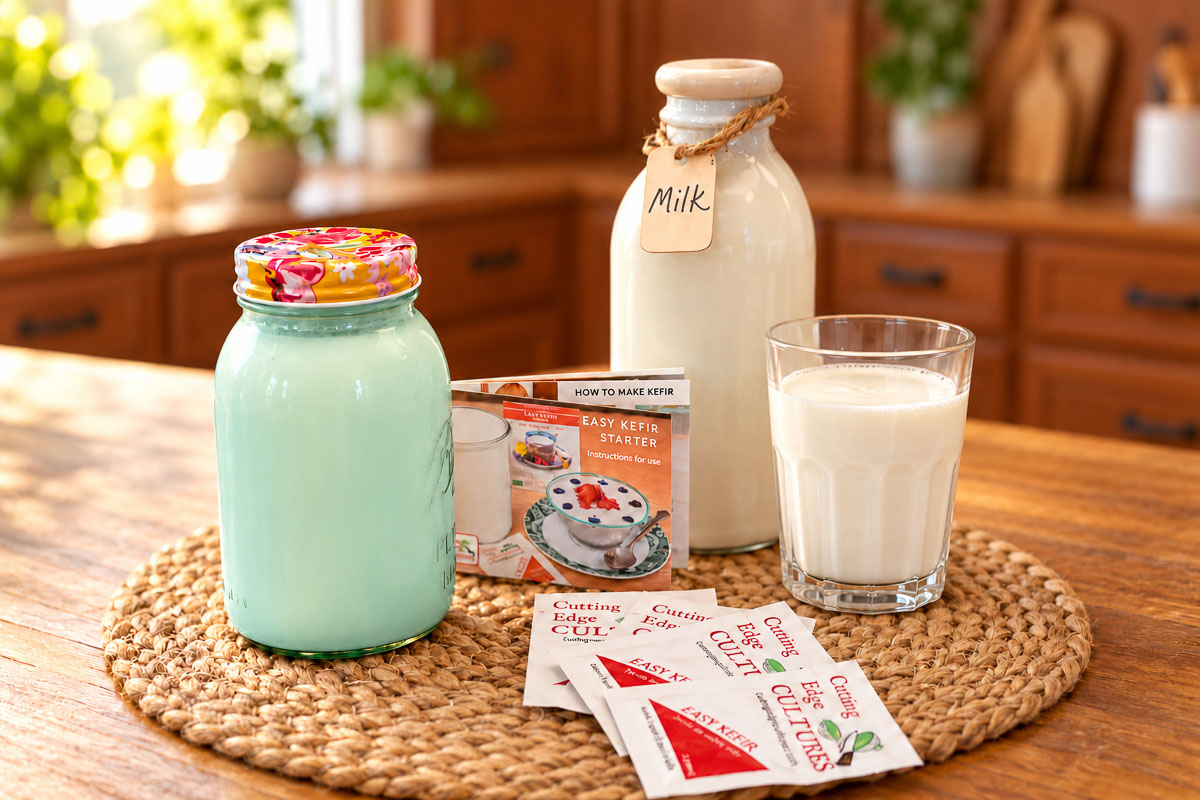
When I first began making cultured foods, I started with powdered kefir because it was simple and easy. I didn’t begin with a refrigerator full of ferments or know everything I know today. I started with one food, and that beginning grew into something that became part of my family’s everyday life.
Now, after more than two decades of drinking kefir, I still come back to that simple lesson: give yourself a place to begin.
You don’t need to make kefir, kombucha, cultured vegetables, and several kinds of yogurt all in the same week. You don’t need a perfect kitchen or a complicated schedule. You need a food that fits your life and a little room to learn.
If you’ve been wondering what your first month might look like, let me walk you through it.
What should you expect?
This is the fun part: expect to learn about what helps your body. We are so disconnected from what our bodies need. When I first started my journey with kefir and cultured foods, I was surprised by how my body reacted. My blood sugar normalized along with my blood pressure, and I felt a lot of energy and joy! Then I started experimenting with different ways to have kefir in smoothies, puddings, and overnight oats. You too will discover which flavors you enjoy, which foods agree with you, and how to fit them into meals you already make. I have a lot of recipes!
No one will have the same experience. You may notice changes in digestion, or you may simply find that you enjoy your new breakfast. A dramatic response isn’t the measure of success, and there’s no particular way you have to feel.
Research in a Stanford trial involving 36 adults showed that the group eating a diet rich in fermented foods had increased gut microbial diversity and reductions in several inflammatory markers during a 10-week dietary intervention. [1]
Think of these four weeks as a practical guide for building a food habit that can change your life.
Week 1: Choose one food and begin simply
For me, a powdered kefir starter was the beginning. It may be a good starting place for you, too, but you have choices. Plain yogurt with live cultures or naturally fermented vegetables can also be a good place to start.
Choose something that sounds good to you. Something that is getting your attention. A food you enjoy is much easier to keep using.
Start with a small amount rather than a large glass or bowl. For example, you might try a few spoonfuls of kefir or yogurt, or a small forkful of cultured vegetables with a meal.
Keep the rest of your meals familiar so you aren’t changing everything at once.
Your focus this week: Find one food you enjoy and an amount that feels comfortable.
Week 2: Give it a Place in Your Day
Once you’ve found a food that agrees with you, connect it to something you already do.
Maybe you have a little kefir with breakfast. Maybe yogurt becomes an afternoon snack. Maybe cultured vegetables sit beside your lunch or dinner plate.
I love finding ways to put cultured foods into everyday meals. They don’t need to become another complicated project.
If your starting amount feels comfortable, you can try a little more. If it doesn’t, slow down or pause. There is no need to increase just because you’ve reached the second week.
You can keep a simple note of what you ate, how much, and how your digestion felt. That helps you notice patterns without turning every meal into a test.
Your focus this week: Build a routine you can repeat comfortably.
Week 3: Explore a Little Variety
If your first food is working well for you, this may be a good time to try another.
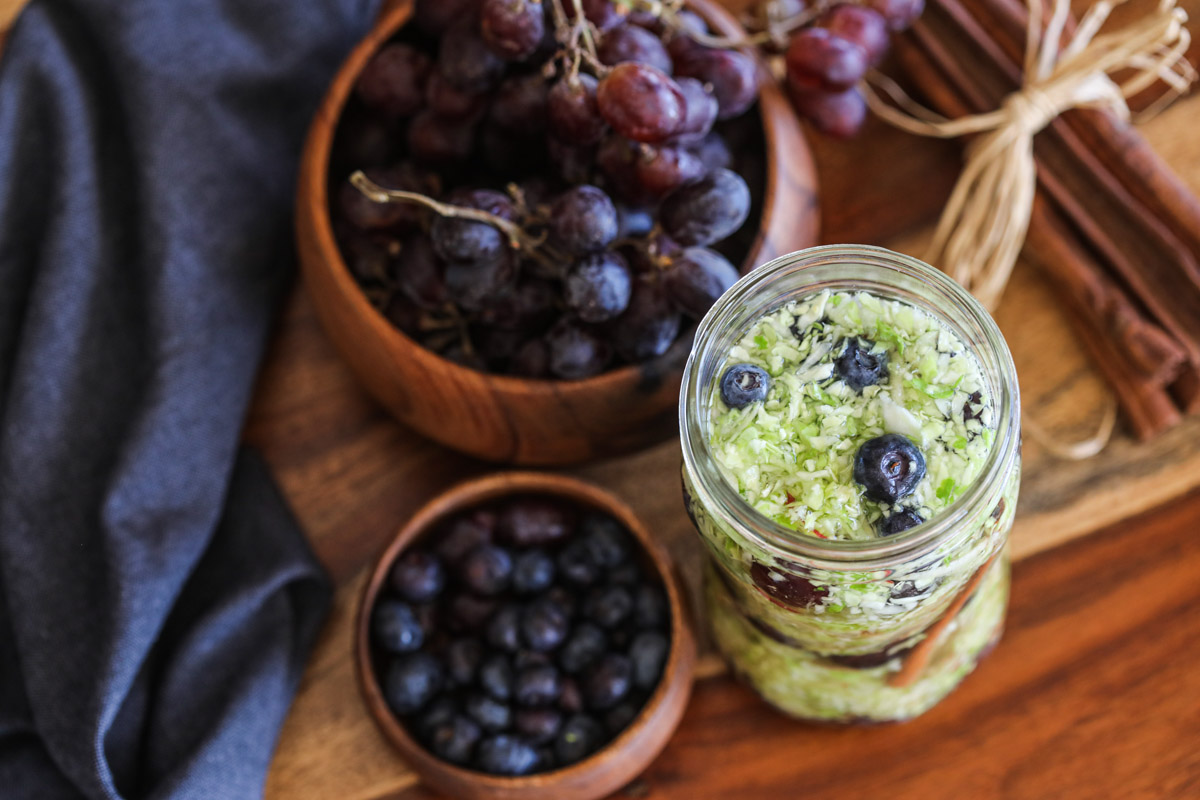
Perhaps you began with kefir and now want to try cultured vegetables. Or you started with yogurt and would like to learn about kombucha.
Kefir, kombucha, and cultured vegetables are the three foods I call the Trilogy. They’ve been important in my own life, but you don’t have to introduce all three at once. Let your experience guide the pace.
Try your second food in a small amount while keeping other changes limited. If you’d rather stay with your first food longer, that’s fine, too.
Variety can also mean finding another way to enjoy the food you already use: kefir with fruit, yogurt in a dressing, or a little kraut alongside lunch.
Your focus this week: Explore one new food or one new way to enjoy a familiar one.
Week 4: Make it part of real life
By now, ask yourself: What do I enjoy enough to keep doing?
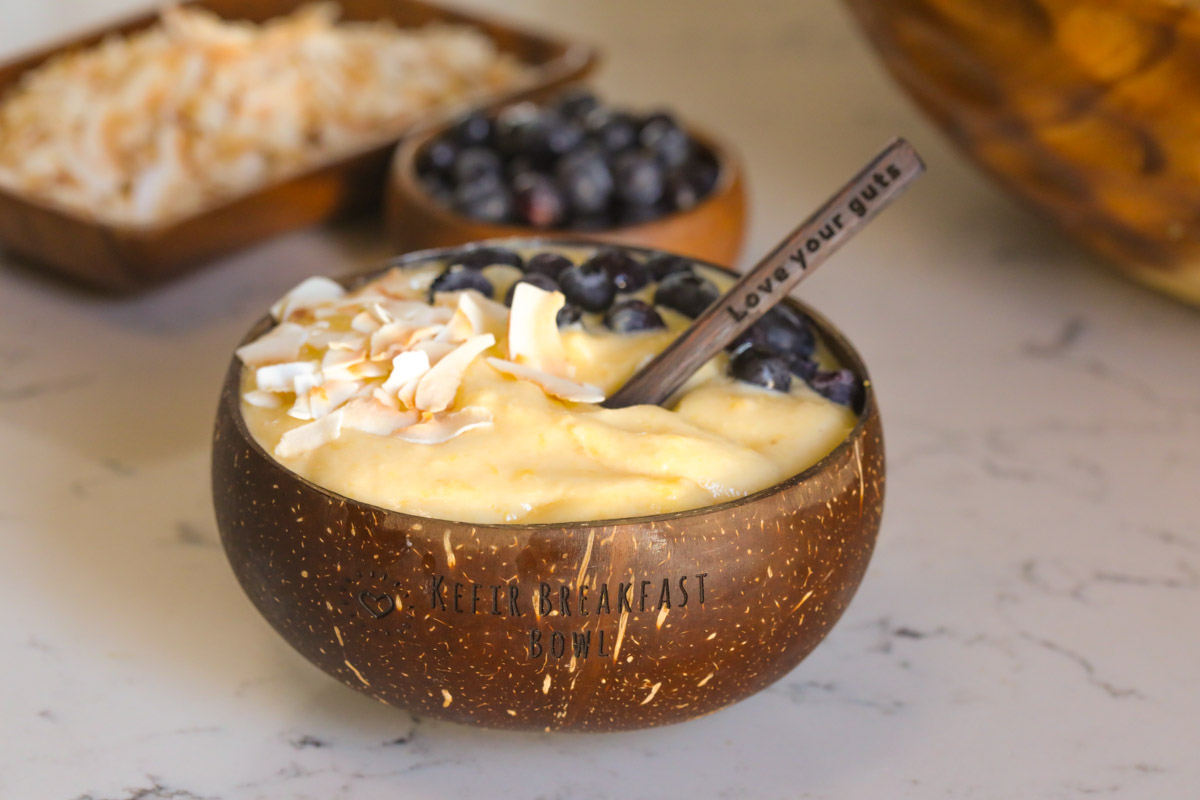
Choose two or three easy meals or snacks that help you use the cultured foods you tolerate and like. You might enjoy a kefir breakfast bowl, strained yogurt as a creamy topping, or cultured vegetables beside a favorite meal.
Your focus this week: Find a few favorites and decide what you’d like to learn next.

Start Small with Little Easy Kefir Pots
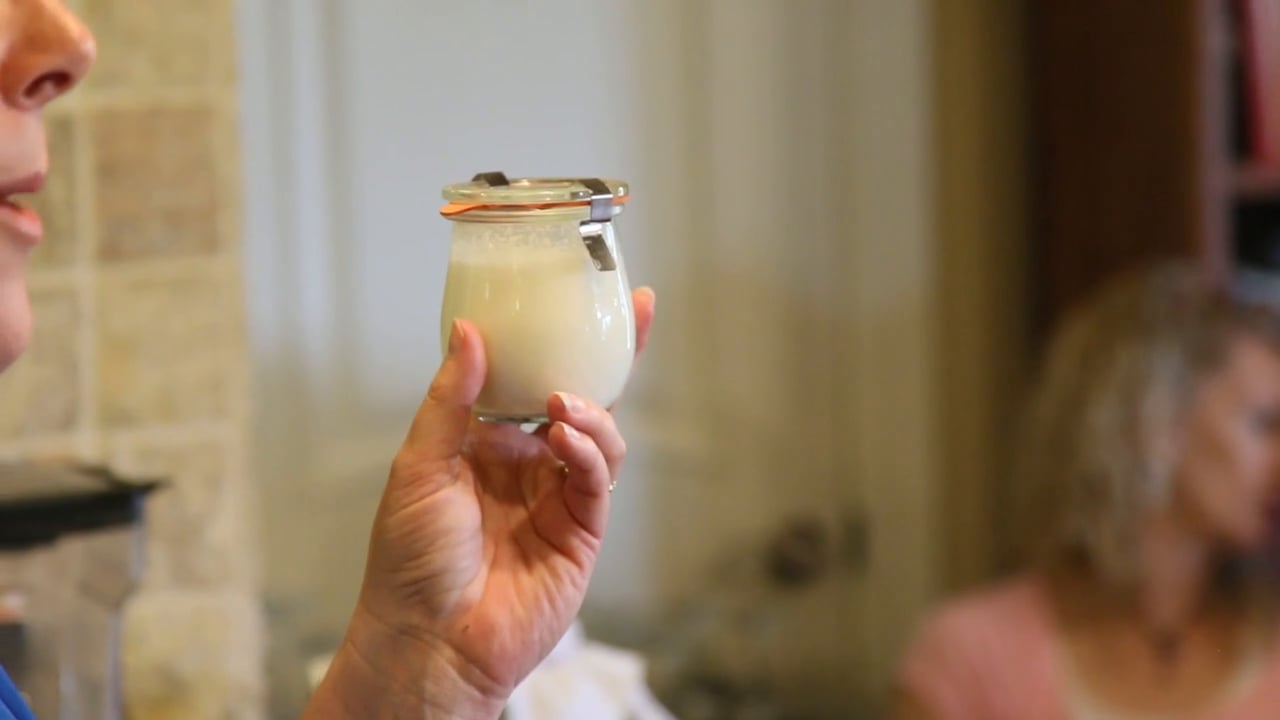
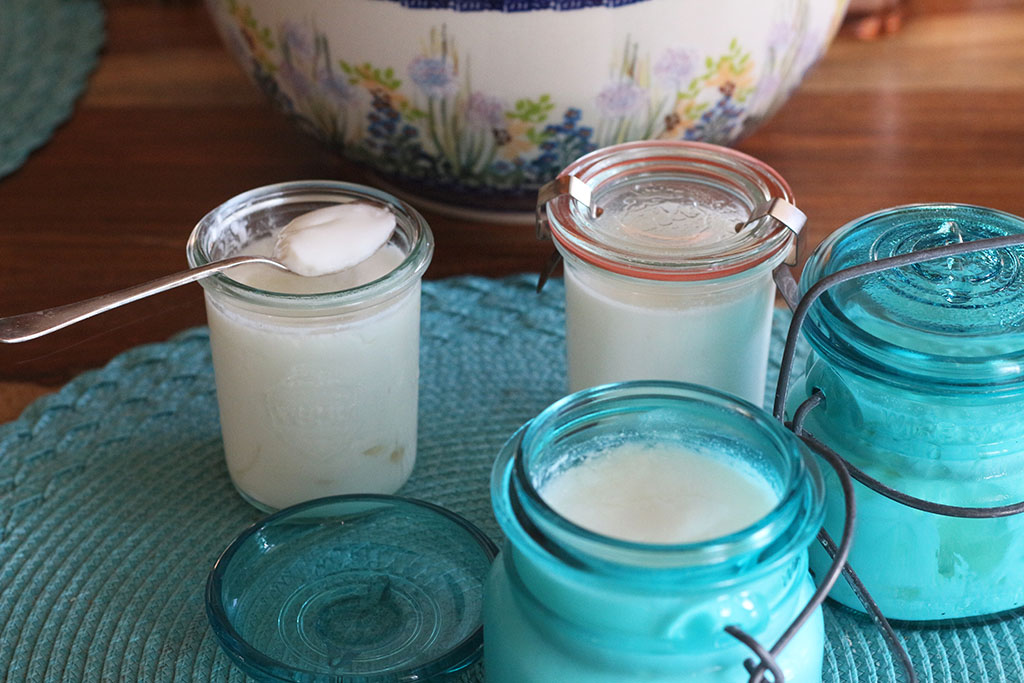
If a whole glass of kefir feels like too much when you’re first getting started, these little Easy Kefir Pots are a wonderful place to begin. You can enjoy a few spoonfuls, put the rest in the fridge, and gradually have more as you feel comfortable. You don’t have to finish the whole jar at once!
I made a video to show you just how easy they are to make. Enjoy them plain or add a little fruit and your favorite toppings. Small beginnings can help you build a habit that becomes part of your everyday life.
Get the Easy Kefir Pots Recipe: Click here
Watch the Video below!
What about a healing crisis?
In my article, The Healing Crisis and Cultured Foods, I shared what I experienced when I first began: a brief fever, fatigue, and increased urination, followed by feeling better. At the time, I understood those changes as a “healing crisis.” That was my experience, but it doesn’t mean you'll experience the same thing. You are flooding your body with billions of bacteria that will go in, kill pathogens, and try to dominate, creating balance and a strong ecosystem.
The practical lesson I want you to take into your first month is to pay attention and go gently. You don’t have to begin with large servings, and you don’t have to feel worse before you can feel better. If a new food brings discomfort, slow down or pause it.
You don’t need to push through symptoms to succeed. Your first month is a time to learn what agrees with you.
What if you feel bloated or uncomfortable?
Adding too much too quickly can cause gas or bloating. A gradual approach lets you see what you tolerate. I didn't do this at first, but I went full force with large amounts of kefir. It caused some bloating, which subsided, but it took a little while for my bloating to calm down and the rumbling in my tummy to stop. Those microbes were doing their job, but going slower might have helped.
Please don’t assume discomfort means the food is working or that you need to push through a “detox.” Reduce the amount or pause the new food.
Let’s turn the plan into meals together
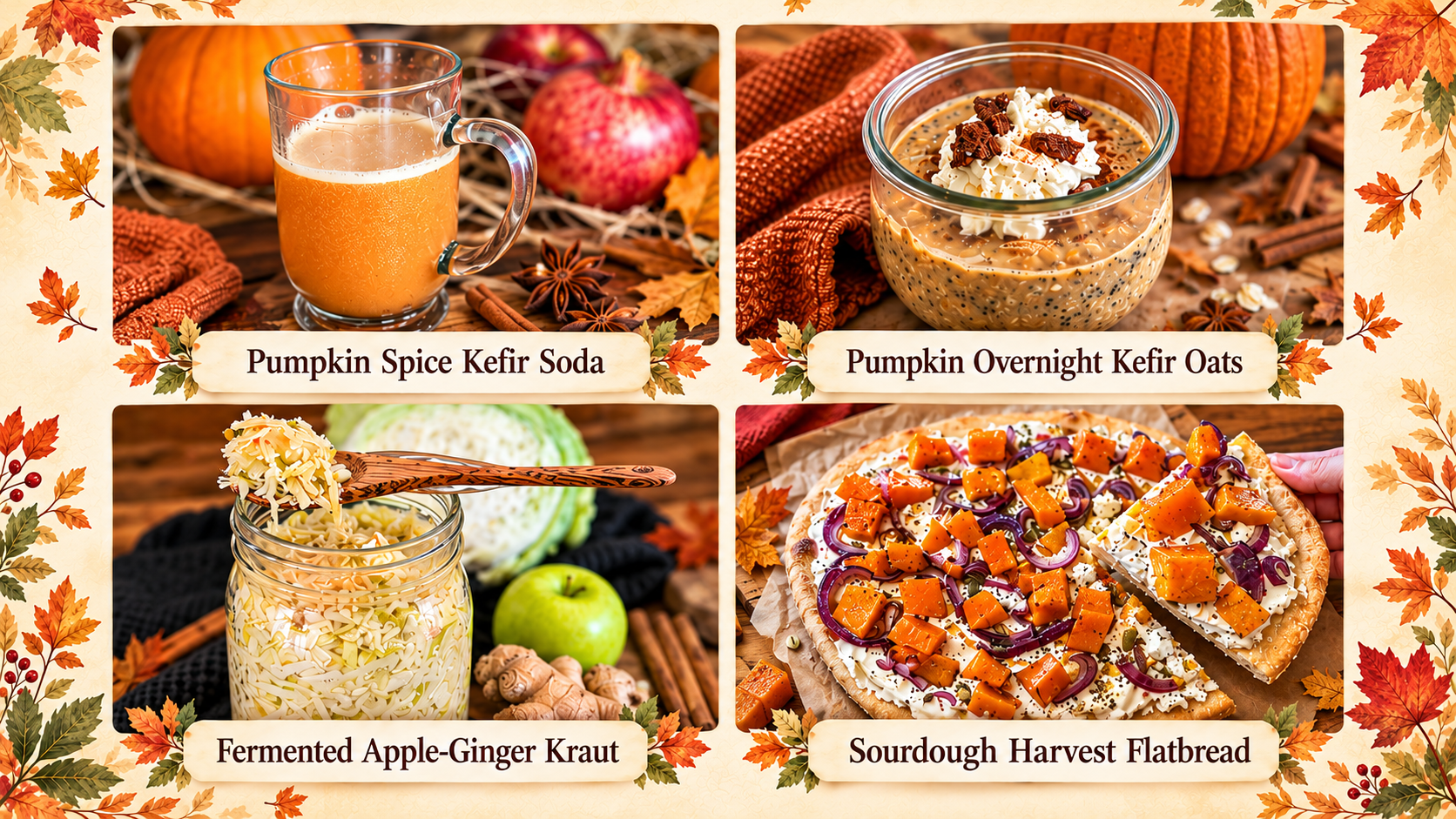 Knowing where to begin is helpful. Learning what to make for breakfast, lunch, or dinner is what brings it into everyday life.
That’s what we do in my membership Cooking Club. Each week, I share a recipe and a video to walk you through it, and we get together for a Zoom at the end of the month.
You don’t have to learn everything at once. Start with one food, find a way you love to eat it, and build from there. That’s how I began, too.
Simple Ways to Start
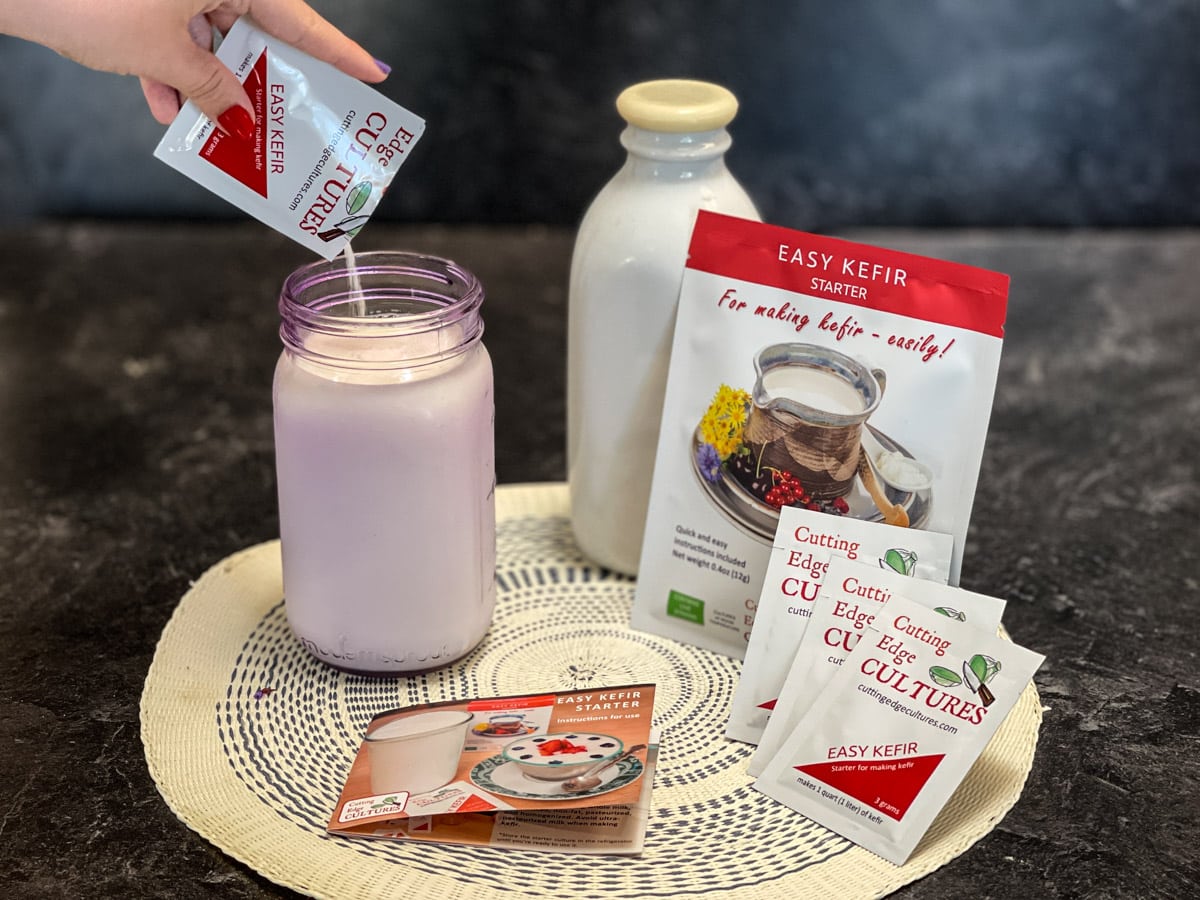
The Simplest Way To Make Kefir
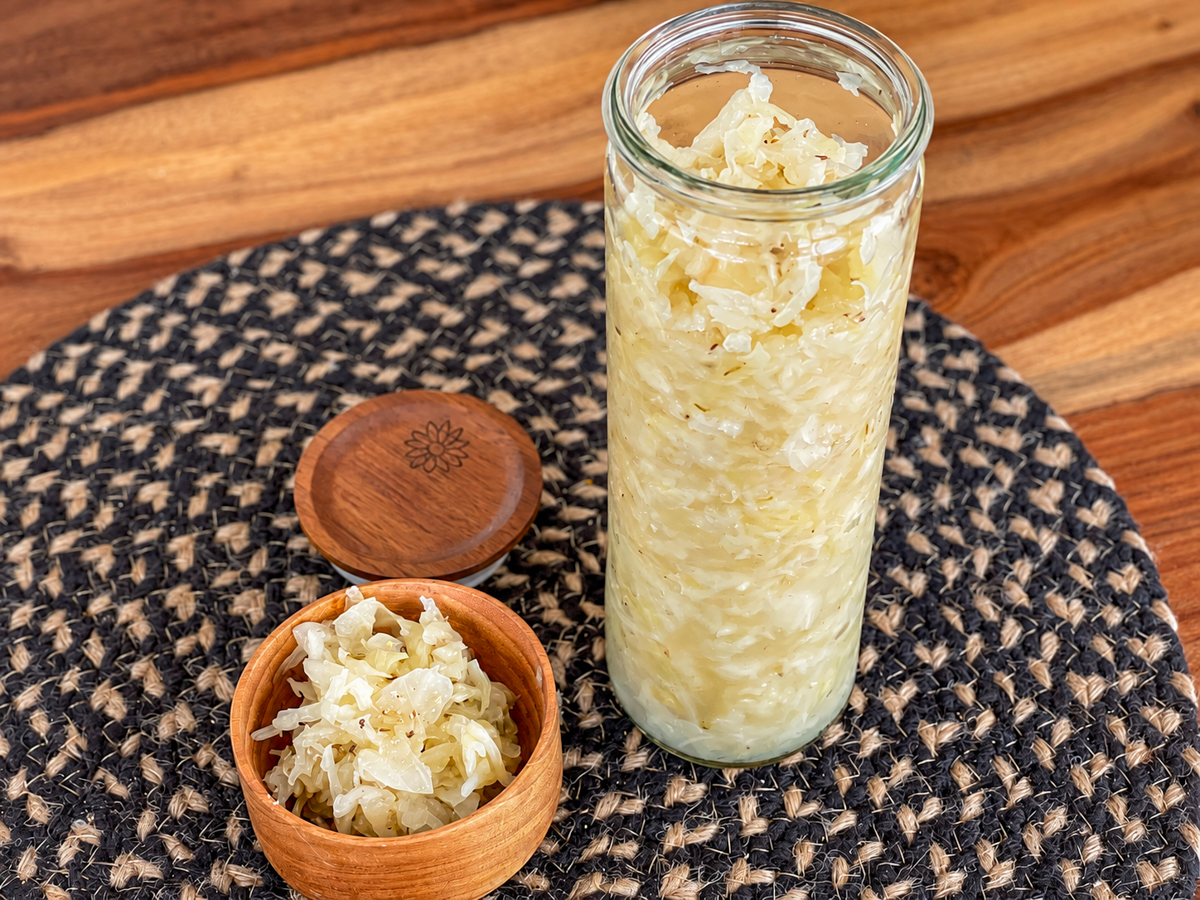
Simple Salt & Pepper Kraut
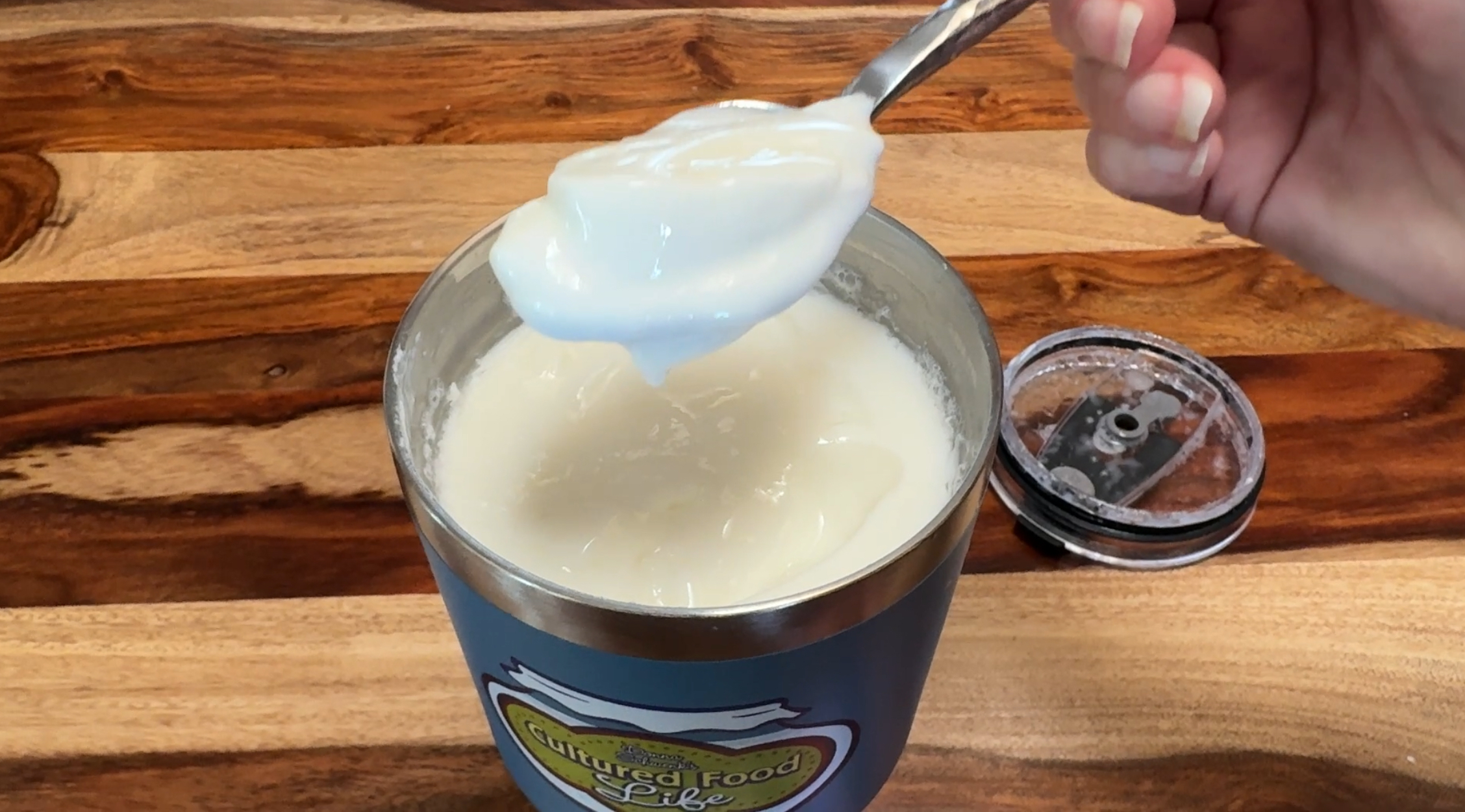
Yogurt in an Insulated Mug
Listen To My Podcast
Starting cultured foods can be exciting, but you might wonder what to expect along the way. In this episode, I'll walk you through your first month with cultured foods, how to start slowly, what changes you might notice, and how to make kefir, kombucha, and cultured vegetables part of your everyday life. Small steps can lead to big changes, and your microbes are worth taking care of!
References:
-
-
- Stanford Medicine. Fermented-food diet increases microbiome diversity, decreases inflammatory proteins, study finds. July 12, 2021. https://med.stanford.edu/news/all-news/2021/07/fermented-food-diet-increases-microbiome-diversity-lowers-inflammation
-
Are you on the list?
Sign up today and I'll send you my free Getting Started Guide!
Each week I'll send you updates, tips, recipes, and more! You might even be a winner of my weekly giveaway! (starter cultures, memberships, and more!)
Come be a part of my cultured food family!