Look for me on:



Don’t Throw Away Your Yogurt Whey! Delicious Ways to Use Every Drop
 If you make Greek yogurt, Skyr, Yogurt Plus, L. reuteri yogurt, or any other yogurt that you like to strain, you have probably wondered what to do with all the liquid that collects in the bottom of the bowl.
That beautiful golden liquid is yogurt whey—and please don’t pour it down the drain!
The more high-protein yogurt I make, the more whey I have left over. Thankfully, I have found so many delicious ways to use it. I add it to smoothies, slushies, dressings, cottage cheese, marinades, drinks, baked goods, and more.
Yogurt whey is a little different from kefir whey, so knowing which type you have will help you choose the best way to use it.
What Is Yogurt Whey?
When you strain yogurt, the thick yogurt curds stay in the strainer while the liquid whey drains into the bowl below.
Straining removes some of the liquid and creates a thicker, creamier, and more concentrated yogurt. This is how Greek yogurt and Skyr get their thick texture and higher concentration of protein.
The whey still contains some of the yogurt’s beneficial bacteria, along with lactose, minerals, and other water-soluble components from the milk.
It is important not to confuse this liquid with whey protein powder. Most of the protein remains in the thick strained yogurt or curds. Liquid yogurt whey contains more of the milk sugar, or lactose, along with smaller amounts of protein.
I think of yogurt whey as an extra cultured ingredient that comes along with making thick, delicious yogurt.
Yogurt Whey and Kefir Whey Are Not the Same
Yogurt whey and kefir whey may look similar, but they don’t always work the same way.
Kefir contains beneficial bacteria and beneficial yeasts. Those yeasts make kefir whey especially useful for making bubbly fermented drinks, kefir soda, and cultured vegetables.
Yogurt whey contains beneficial bacteria, but it generally doesn’t contain the beneficial yeasts needed to create a fizzy drink. It is especially useful in smoothies, slushies, cottage cheese, dressings, marinades, baked goods, soups, sauces, and many other recipes.
I like to use yogurt whey for: Jump to the recipes!
- Slushies and smoothies
- Non-bubbly cultured drinks
- Cottage cheese
- Mayonnaise
- Salad dressings
- Dips and sauces
- Marinades
- Soaking nuts and seeds
For fizzy sodas and cultured vegetables, I use fresh kefir whey or the specific culture called for in the recipe.
Kefir whey and yogurt whey both contain water-soluble nutrients from milk, including potassium and riboflavin, along with small amounts of whey proteins. Kefir whey may retain more of certain proteins in their natural form because kefir is usually cultured without the additional high heating often used when making yogurt.
The biggest difference is that kefir whey contains a broader variety of beneficial bacteria and yeasts. This is why kefir whey works especially well for bubbly drinks and cultured vegetables, while yogurt whey is perfect for creamy foods, smoothies, slushies, dressings, marinades, and so much more.
If you have extra yogurt whey, don’t throw it out! Take a look at all the wonderful ways you can use it. Some of these ideas might surprise you!
Kefir Whey
Have extra kefir whey? Be sure to check out my article, 9 Ways to Use Extra Kefir Whey.
You’ll discover all kinds of delicious and creative ways to use this probiotic-rich liquid instead of letting it go to waste.
Kefir whey can make cultured veggies and kefir sodas too!
Uses for Extra Yogurt Whey

Slushies
This refreshing yogurt whey slushie is a delicious way to use extra whey from strained yogurt. Blended with frozen fruit, ice, and a touch of sweetness, it is cool, tangy, and perfect for a warm day.

Smoothies
Yogurt whey is a wonderful addition to smoothies. It adds a light, tangy flavor along with beneficial bacteria, minerals, and other nutrients left behind from the yogurt-making process.
Start with ¼ cup of yogurt whey per serving and increase it to ½ cup if you enjoy a stronger, tangier flavor. Replace part of the milk, juice, or water in your favorite recipe with the whey.

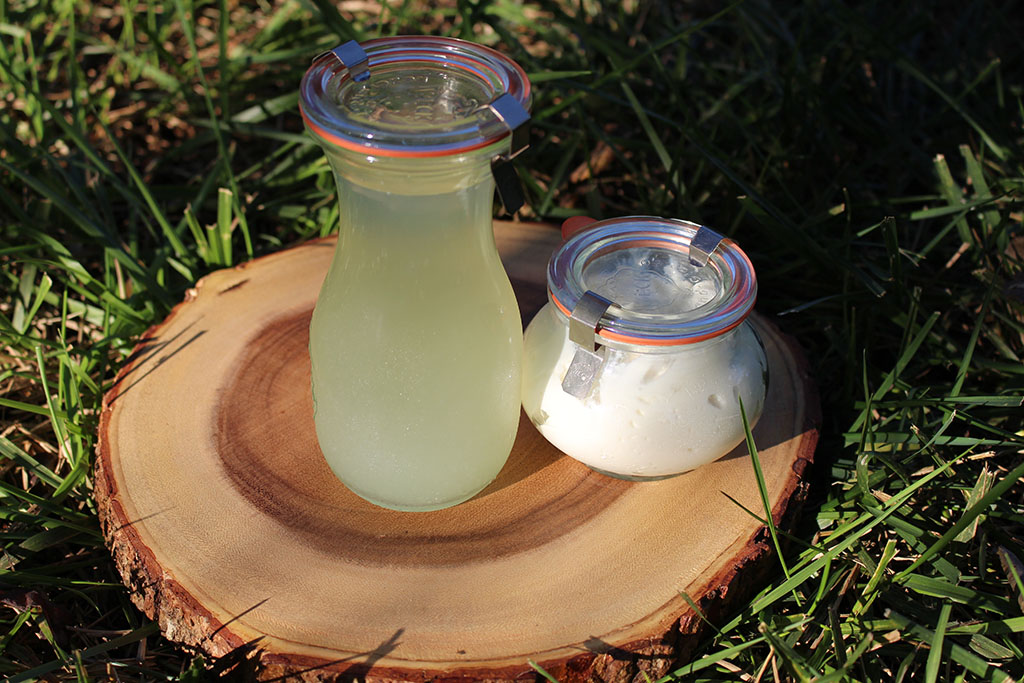
Yogurt Whey Lemonade
Yogurt whey makes a refreshing, tangy lemonade and is an easy way to use the whey left after straining yogurt. Simply replace part of the water in your favorite lemonade recipe with fresh yogurt whey. Start with ¼ to ½ cup of whey per serving and adjust to taste.
Unlike kefir whey, yogurt whey generally won’t make your lemonade bubbly because it doesn’t contain the same beneficial yeasts. Enjoy it right away over ice for a light, cultured summer drink.
Cottage Cheese
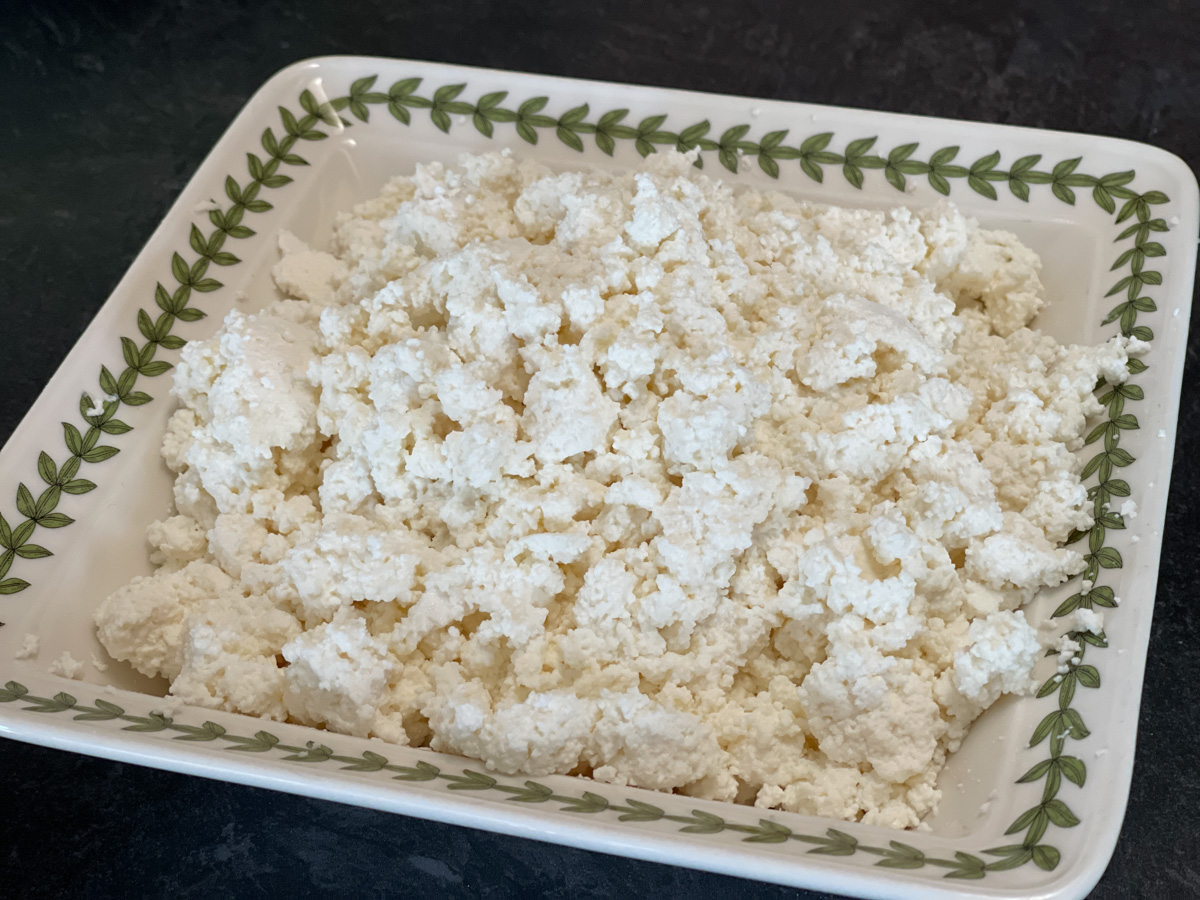
You can make probiotic cottage cheese using whey from L. reuteri yogurt, Yogurt Plus, or kefir. Use plenty of fresh whey along with a small amount of the curds to provide a stronger culture and help the milk separate into soft cottage cheese. You can even use the overfermented L. reuteri, it works great and hides the strong flavor
Mayonnaise
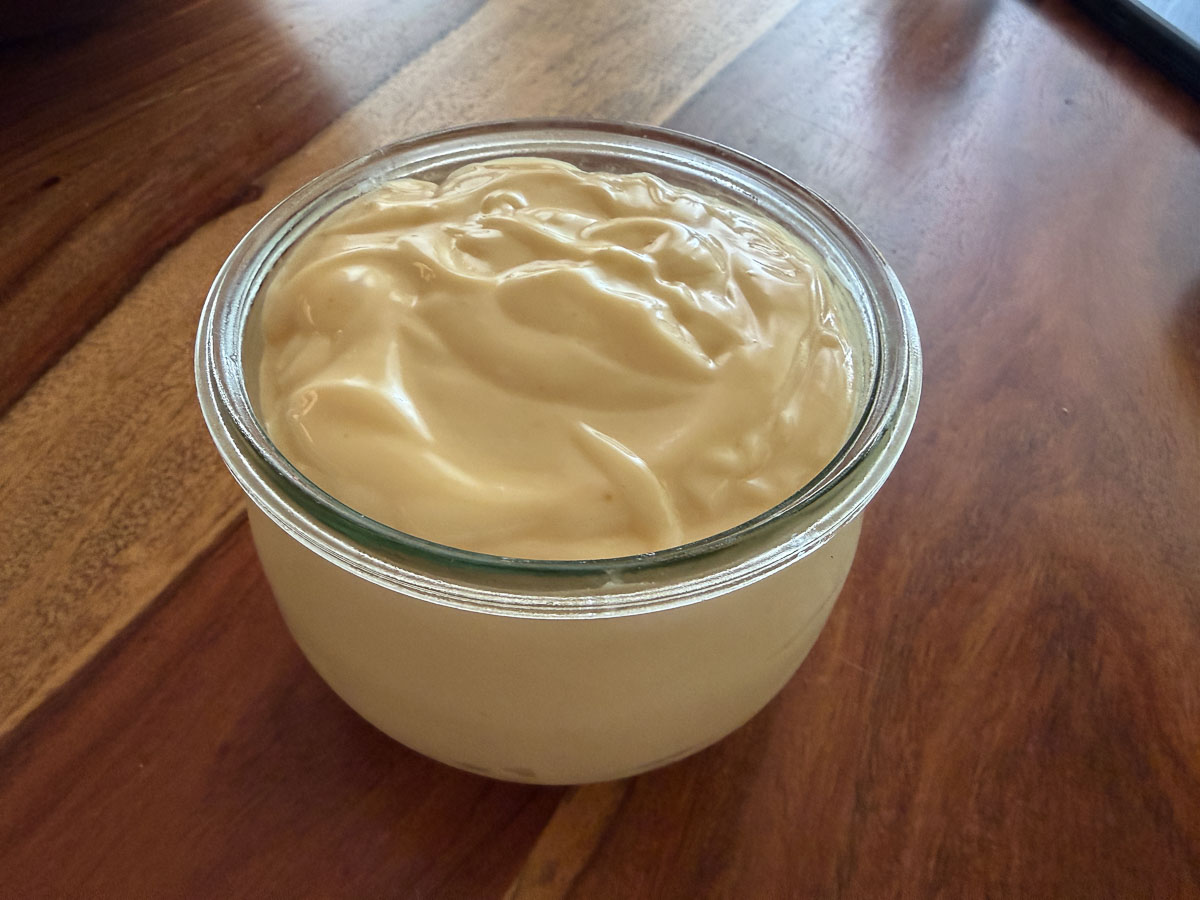
Yogurt whey is perfect for making a quick, creamy mayonnaise with a light tangy flavor. You only need a small amount—about 2-3 tablespoon of fresh yogurt whey per batch.
The whey adds beneficial bacteria and helps turn ordinary mayonnaise into a cultured condiment you can use in sandwiches, dressings, chicken salad, egg salad, and dips. Keep it refrigerated and use it within a few days.

Salad Dressings
You don’t always have to make a dressing from scratch to use your extra yogurt whey. You can stir a little into a store-bought dressing to give it a fresh, tangy flavor and a thinner, creamier consistency.
Yogurt whey works especially well in creamy dressings such as ranch, Caesar, blue cheese, honey mustard, and avocado dressing.
Start by adding 1 teaspoon to 1 tablespoon of yogurt whey to ½ cup of dressing. Stir or shake it well, then add a little more if you would like the dressing thinner.
I recommend mixing the whey into only the amount of dressing you plan to use rather than adding it directly to the entire bottle. Keep the mixture refrigerated and use it within a few days.

Dips and Sauces
Yogurt whey is an easy way to thin dips and sauces while adding a light, tangy flavor and beneficial bacteria. It works especially well in ranch, yogurt dips, cottage cheese dips, pesto, honey mustard, creamy herb sauces, and sandwich spreads.
Start with 1 tablespoon of yogurt whey per cup of dip or sauce. Stir well, then add a little more until you reach the consistency you like. For the most benefit from the live cultures, add it after cooking or use it in chilled recipes.
Marinades
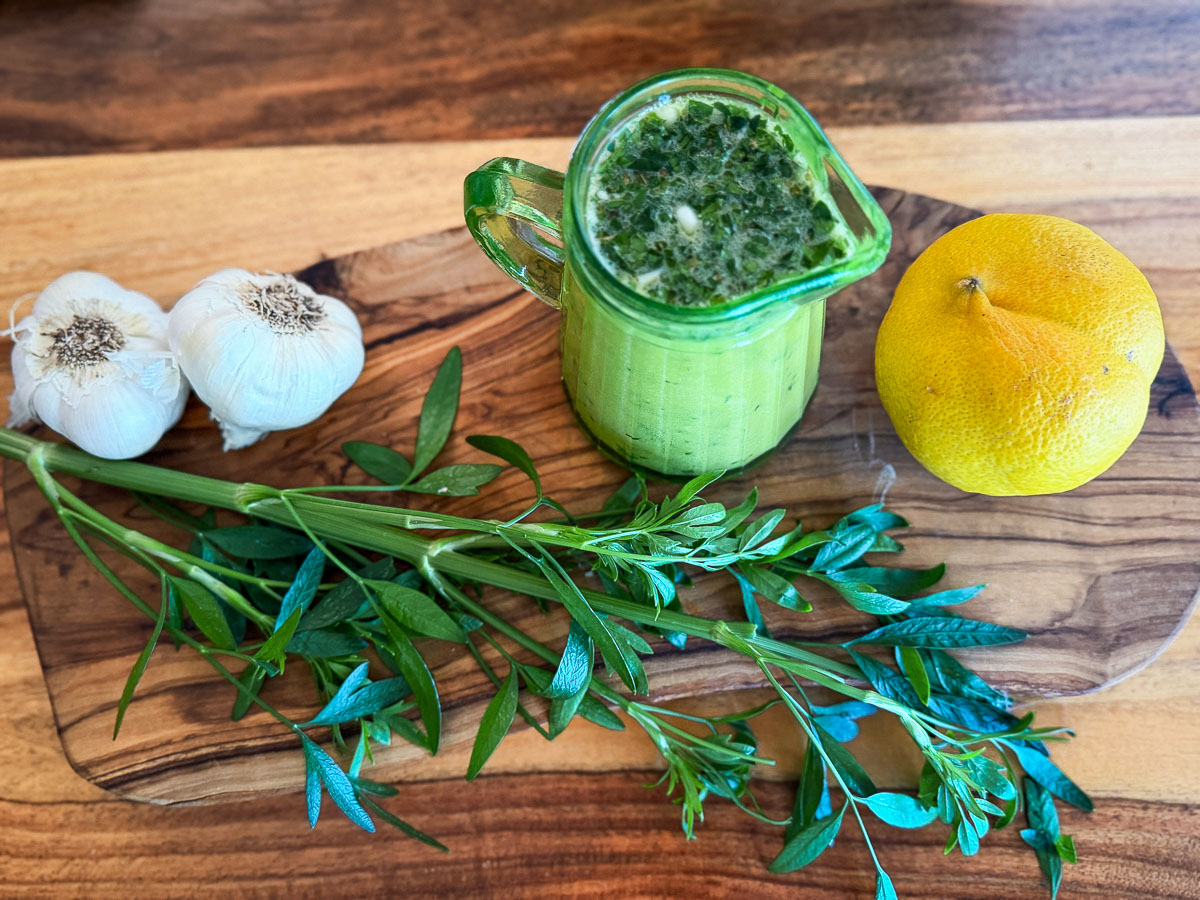
Yogurt whey makes a wonderful marinade because its natural acidity helps tenderize meat while adding a light, tangy flavor. It works especially well with chicken, pork, and fish.
Use about ¼ to ½ cup of yogurt whey for 1 to 2 pounds of meat, then add herbs, garlic, mustard, Celtic Sea Salt, olive oil, or your favorite seasonings. Marinate in the refrigerator and discard any marinade that has touched raw meat unless it is thoroughly cooked.
Soak your Nuts and Seeds
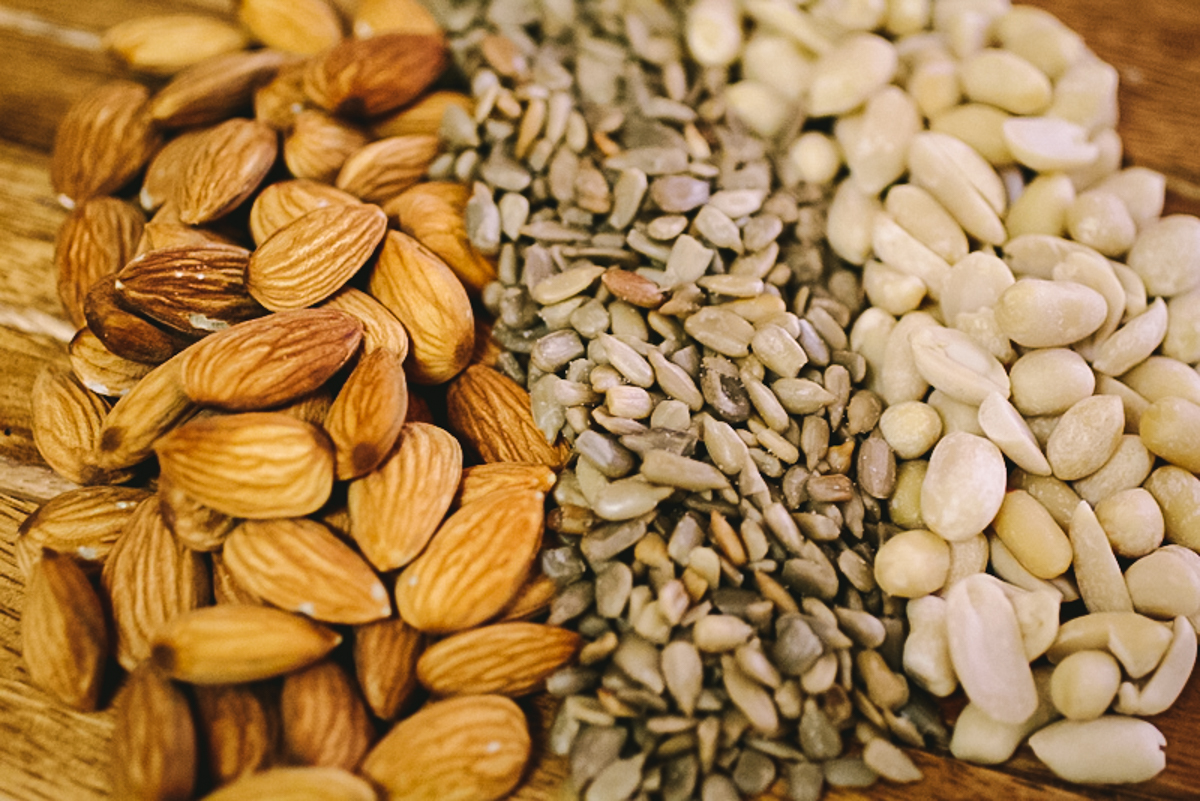
Yogurt whey can be added to the soaking water for nuts and seeds. Its natural acidity helps soften them, while the soaking process can help reduce phytic acid and enzyme inhibitors, making the nuts and seeds easier to digest and helping your body better absorb their minerals.
Add 1 tablespoon of yogurt whey for every cup of filtered water. Pour the mixture over the nuts or seeds until they are completely covered and soak them for the recommended amount of time. Drain and rinse them well before using them in recipes, blending them into sauces, or drying them for later.
Listen To My Podcast
Don’t throw away your yogurt whey! In this episode, I’m sharing how yogurt whey differs from kefir whey and some of my favorite ways to use it in slushies, smoothies, cottage cheese, dressings, marinades, and more.
References I talked about:
Are you on the list?
Sign up today and I'll send you my free Getting Started Guide!
Each week I'll send you updates, tips, recipes, and more! You might even be a winner of my weekly giveaway! (starter cultures, memberships, and more!)
Come be a part of my cultured food family!