Look for me on:



Why Your L. Reuteri Yogurt Isn’t Working
L reuteri yogurt 36-hour fermentation
L. Reuteri Fermented Dairy Tips
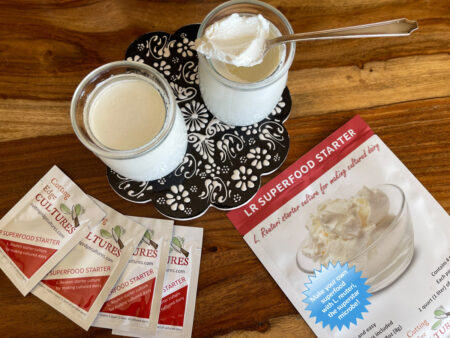 I’ve been making L. reuteri yogurt since 2022, and if there’s one thing I’ve learned, it’s this:
L. reuteri has a mind of its own. Once you understand how it behaves, a few small adjustments are all it takes to get out of its way and let it do what it does best—make wonderful yogurt.
Most people think their yogurt didn’t work —
when in reality, it did… they just missed a few key details.
L. reuteri is a powerful strain, but it behaves differently than traditional yogurt cultures since it is, in reality, a fermented dairy, not a yogurt
Here are the five most important things I want you to know if your L. reuteri yogurt didn’t turn out the way you expected.
You Have to Ferment for 36 Hours
This is one of the biggest mistakes I see well-meaning people make when advising others on how to ferment Lactobacillus reuteri.
You’ll often hear:
“Don’t ferment it too long — it won’t separate as much.”
That advice sounds helpful, but it’s actually misleading.
L. reuteri does not truly begin to proliferate until around hour 30.
If you stop at 24 hours, the bacteria simply haven’t had enough time to grow to therapeutic levels.
In practical terms:
-
Shorter ferments = very little L. reuteri
-
36 hours = where the real benefits begin
So if you cut the fermentation short, it doesn’t mean you failed — it just means the bacteria didn’t get the time they need to do their job.
We’ve had this tested, and the results are clear. The graph on our package shows just how important a full 36-hour fermentation is for meaningful L. reuteri growth.
Sometimes separation is part of the process — and it’s far less important than giving this strain the time it needs to work.
Separation Is Usually a First-Batch Issue
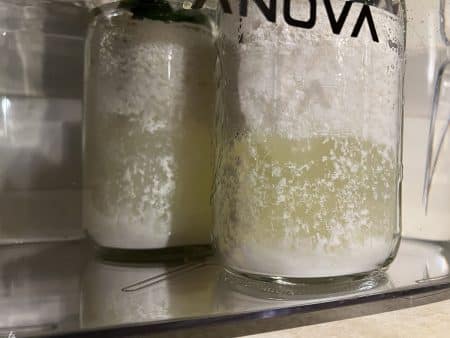 Seeing separation can be alarming, but in most cases, it’s normal — especially with the first batch.
The first batch is essentially a “build batch.”
- Once you save some of that yogurt
- Use it as the starter for the next batch.
- Then, the yogurt usually becomes more stable, less separated, and more consistent
Separation doesn’t mean the yogurt is bad. It just means the culture is still establishing itself.
Check out the L. reuteri Cottage Cheese recipe, that works really well for separated L. reuteri. L. Reuteri Cottage Cheese
Use Less Prebio Plus or Inulin
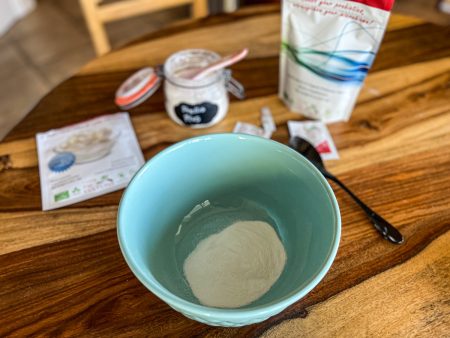 More is not better here.
Too much prebiotic fiber can:
- overstimulate fermentation
- cause excessive separation
- make the yogurt feel harsher on digestion
I’ve found that:
- 1 tablespoon works better than 2 on the first batch
- You can continue to use 1 tbsp if your L. reuteri tastes really sour and smells strong.
- for some people, leaving it out completely works best if it is super sour tasting and they can't get it to calm down.
L. reuteri doesn’t need to be pushed — it does better when things stay calm.
Temperature Matters More Than People Realize
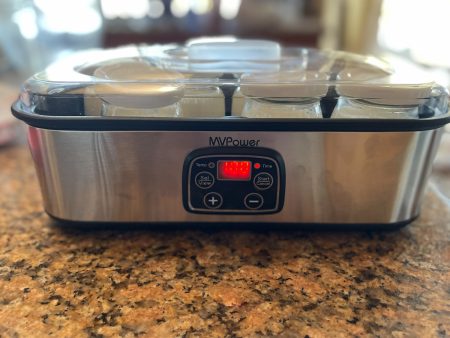 Higher temperatures tend to cause faster separation.
I’ve found that:
-
98–99°F works better than higher settings
-
Letting the yogurt come up to temperature slowly helps keep fermentation calmer. Thats why we use cold milk and not warmed milk when making L. reuteri
When the temperature ramps up too quickly or runs too hot, L. reuteri tends to behave more aggressively — and that’s when people see curds and whey forming too fast.
Slower and steadier gives better results. Check out more in the video.
Why Ultra-Pasteurized (and Even Better, A2) Milk Matters So Much
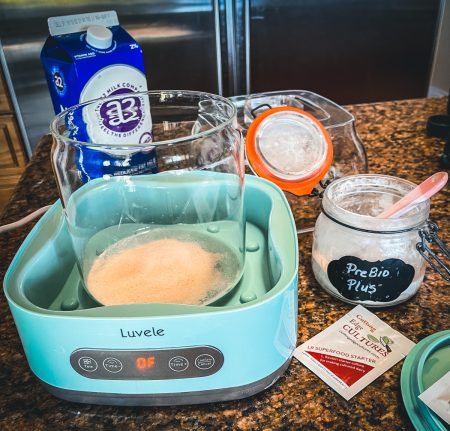 One of the most important — and most misunderstood — parts of making successful L. reuteri yogurt is the milk itself.
Ultra-pasteurization plays a big role here.
When milk is ultra-pasteurized (UHT), it’s heated to much higher temperatures — around 275°F or higher. At these temperatures, a whey protein called beta-lactoglobulin becomes heavily denatured.
To put that into perspective:
-
Traditional, lower-temperature pasteurization denatures only about 10% of whey proteins
-
Ultra-pasteurization denatures roughly 70% of those proteins
This matters because denatured whey proteins are far better at interacting with casein proteins. That interaction is what helps yogurt set properly.
How This Helps Yogurt
Because ultra-pasteurized milk already has those whey proteins unfolded:
- They bind more easily with casein
- They create a stronger, more stable gel network
- The curd sets more reliably
This is why ultra-pasteurized milk often produces thicker, more stable yogurt, even though it’s discouraged for some other fermented foods like kefir.
For yogurt — especially L. reuteri yogurt — this is actually a benefit.
 Why A2 Milk Works Even Better
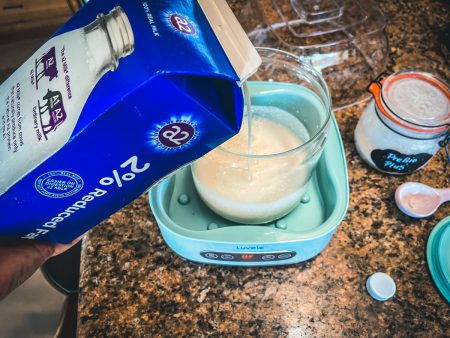 Why A2 Milk Works Even Better
Now let’s take this one step further.
Regular milk contains A1 beta-casein, which can break down during digestion into a peptide called BCM-7.
BCM-7 can:
- slow digestion
- irritate the gut lining
- trigger inflammation in sensitive people
When the gut is irritated, beneficial bacteria — including Lactobacillus reuteri — don’t colonize or signal as well.
A2 milk does not produce BCM-7, which creates a much calmer environment:
- During fermentation
- And when you digest the yogurt
So when you combine:
- ultra-pasteurized milk (for better structure and stability)
- with A2 milk (for better tolerance and less gut irritation)
This creates an environment where L. reuteri can ferment more smoothly and work more effectively in the body.
In my experience, when the milk is easier to digest, and the gut stays calm, L. reuteri simply behaves better — both in how the yogurt turns out and in how people respond to it.
Trust the Process

Become a Biotic Pro
If your L. reuteri yogurt didn’t turn out the way you expected, don’t assume it didn’t work.
Most of the time, it’s not the strain — it’s:
- time
- temperature
- milk choice
- or pushing the fermentation too hard
Once those pieces are dialed in, L. reuteri yogurt becomes much more consistent — and the benefits are much easier to feel.
Check out the Biotic pro membership to learn more about L. reuteri.
Different ways to make L. Reuteri Yogurt
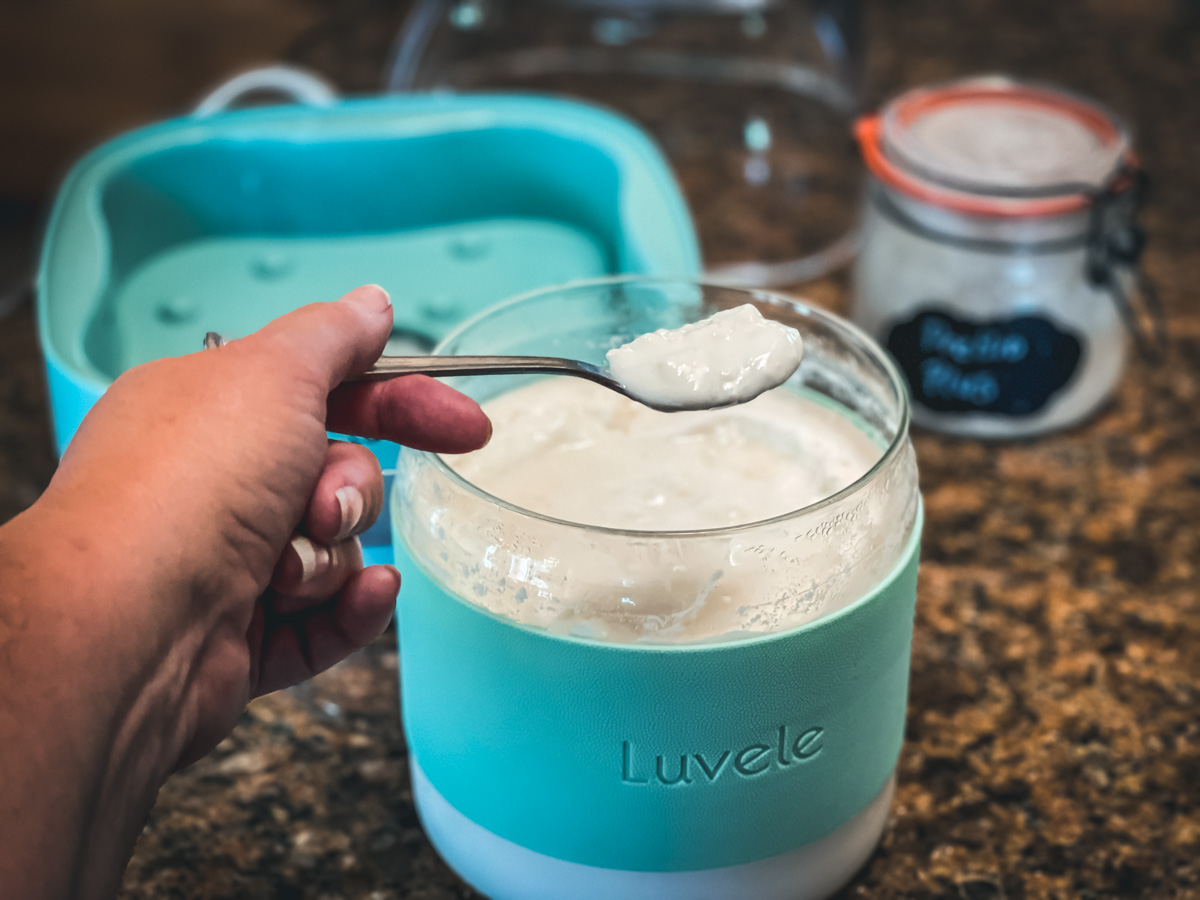
L. Reuteri Yogurt in Luvele Maker 🎬
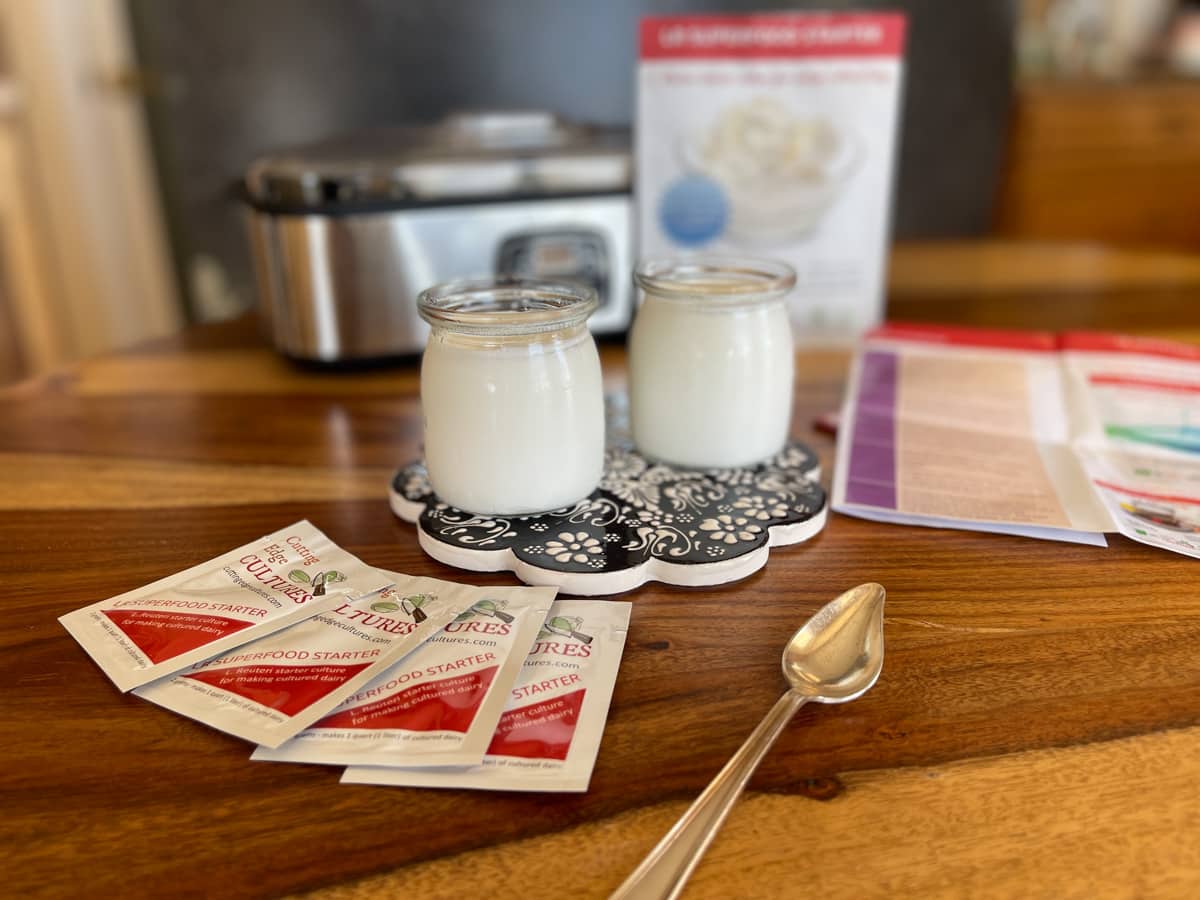
L. Reuteri Yogurt in Small Servings
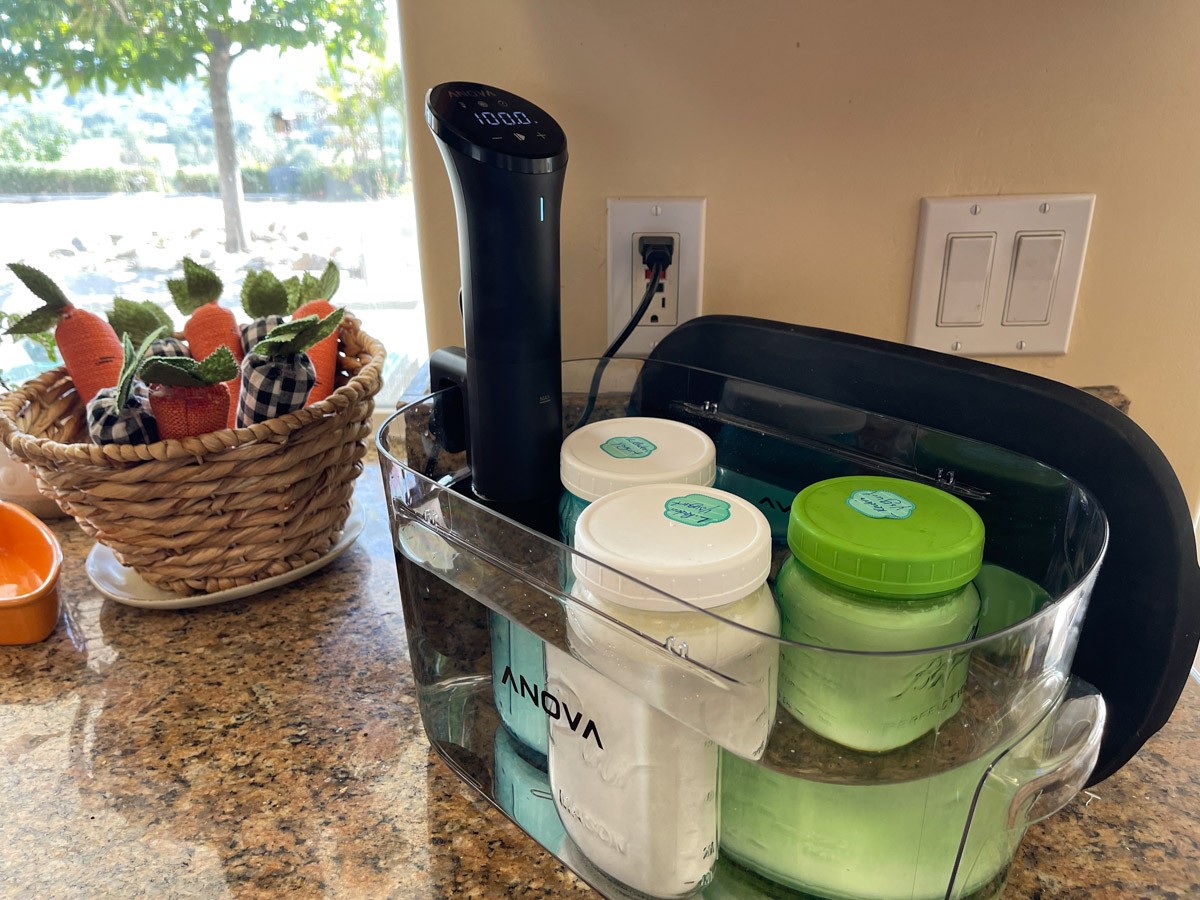

L. Reuteri Yogurt in Sous Vide 🎬
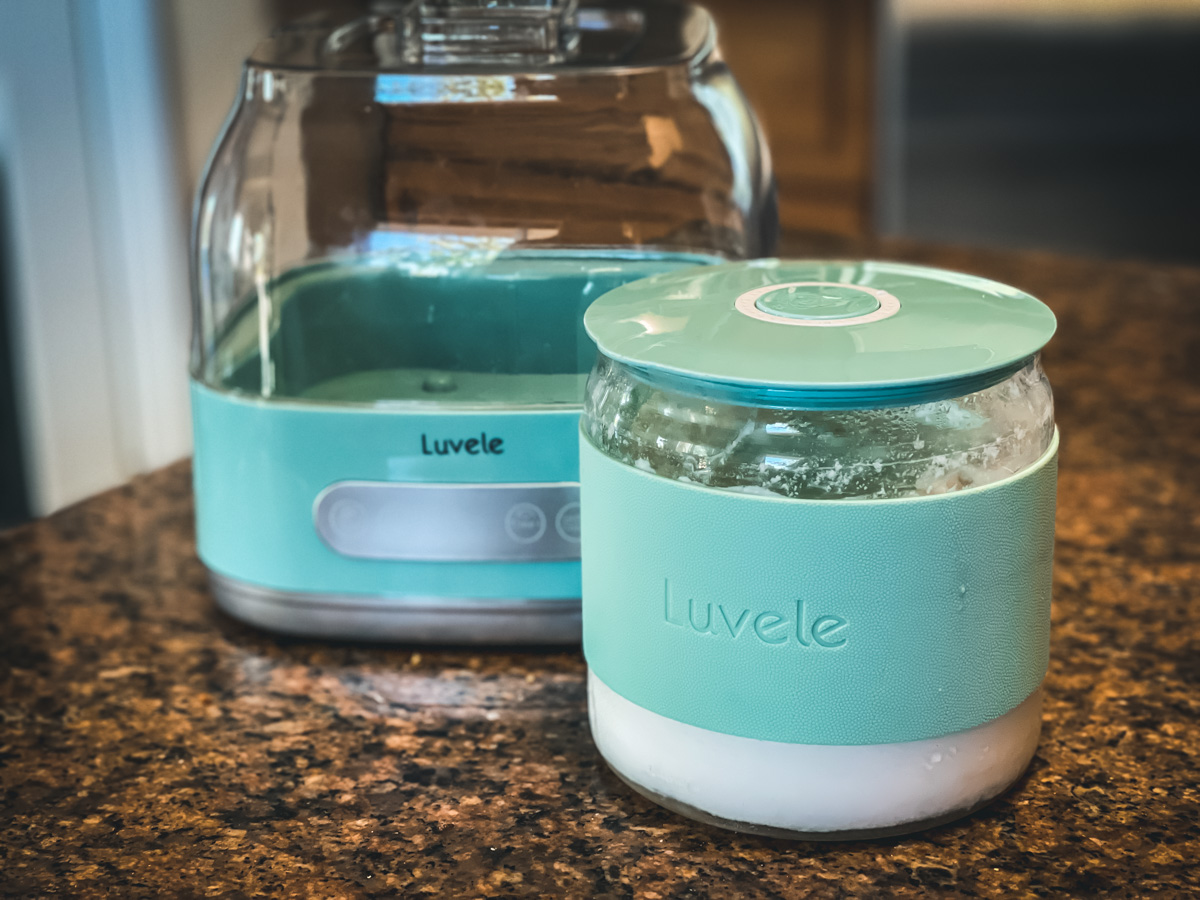
L. Reuteri Yogurt Re-cultured 🎬
Double Batch L. Reuteri Yogurt
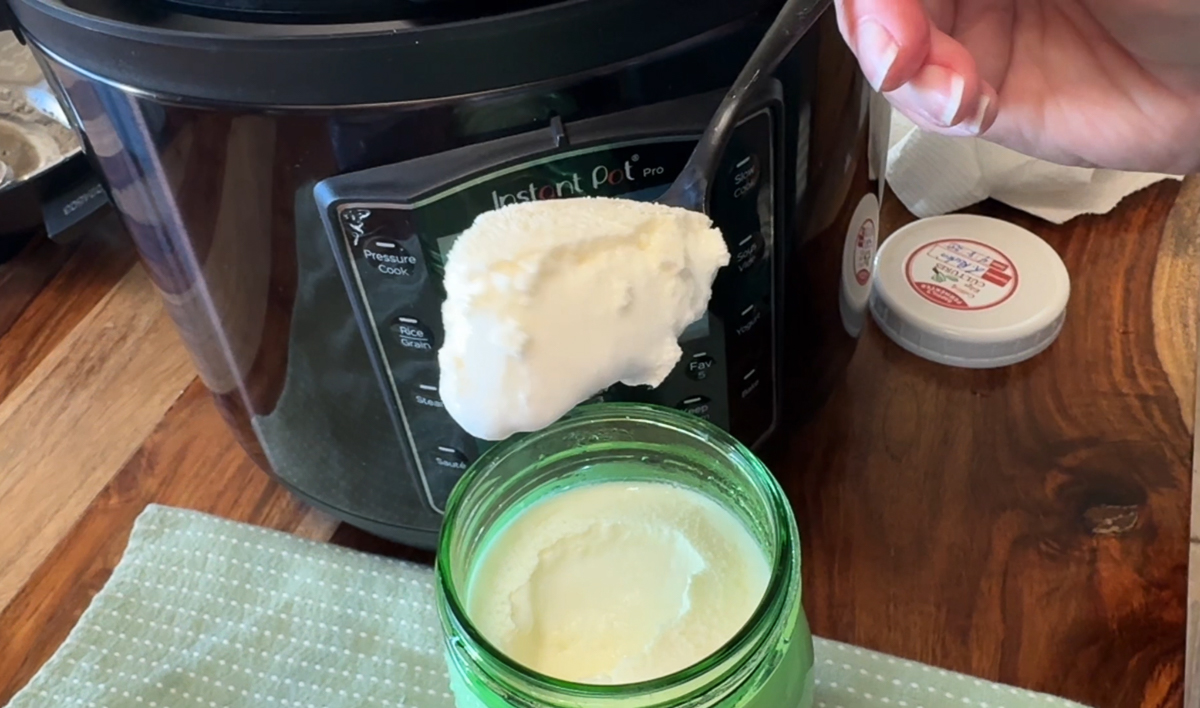
L. Reuteri Yogurt in Instant Pot 🎬
Are you on the list?
Sign up today and I'll send you my free Getting Started Guide!
Each week I'll send you updates, tips, recipes, and more! You might even be a winner of my weekly giveaway! (starter cultures, memberships, and more!)
Come be a part of my cultured food family!