
Look for me on:



Why Fermented Protein Works Differently in the Body
How the body Handles Protein

Today I want to talk about something that’s everywhere right now — protein.
Last year, I intentionally started eating more protein because I wanted to preserve muscle, build strength, and stay vibrant as I age. And honestly, it changed everything for me. I felt more nourished, less hungry, more balanced, and stronger than I had in years. Building muscle became easier, recovery improved, and I could feel my body responding in a very positive way.
Muscle is one of the greatest gifts we can give ourselves as we get older. The more muscle you have, the more your body wants to stay young. It supports hormones, blood sugar balance, bone density, satiety, and metabolism, and provides your body with the very building blocks of life.
What surprised me the most was how powerful something as simple as 30 grams of protein at a meal could be. I’m not alone in this. I see it helping so many people feel stronger, leaner, and healthier. But there’s an important piece most people are missing — and it determines whether protein truly works for you or not.
I understand why the protein trend has taken off. But what I see so often is that when people increase protein without supporting digestion, their bodies push back. Instead of feeling stronger and more energized, they experience more bloating, more heaviness, and more discomfort after meals.
Then they assume something is wrong with them.
But the real issue is this: most protein today is hard work for the body.
Protein is one of the most complex macronutrients to break down. Your body needs strong stomach acid, active enzymes, clear communication with the pancreas, and a healthy gut to properly break protein down into peptides and amino acids. Many people — especially after 40 — don’t do this efficiently anymore.
Low stomach acid.
Weakened digestion.
Inflamed guts.
Disrupted microbiomes.
So when you add more protein without supporting digestion, it’s like piling logs onto a fire that isn’t lit.
And that’s where fermentation comes in.
What Fermentation Does to Protein
Fermentation pre-digests protein.
Long before you take a bite, beneficial bacteria go to work:
- Breaking proteins into smaller peptides
- Releasing amino acids
- Reducing inflammatory compounds
- Making nutrients more bioavailable
Fermentation doesn’t just preserve food.
It transforms it.
And when protein is fermented, your body doesn’t have to struggle to unlock it. It just works.
Fermented Dairy Is Different
Fermented dairy is a whole new food, and this is where things really get interesting.
When milk is fermented into:
- Yogurt
- Kefir
- Skyr
- Strained yogurts
- Farmer’s or cottage-style cheeses
The bacteria begin breaking down:
- Lactose
- Milk proteins
- Bioactive compounds
That’s why people who “can’t tolerate dairy” often do beautifully with fermented dairy.
It’s not the dairy — it’s the state of the dairy.
And when you strain fermented dairy, you’re doing something even more powerful. You’re concentrating fermented protein.

Why Strained Fermented Foods Matter
When you strain yogurt or kefir:
- The protein stays
- The beneficial bacteria stay
- Some of the whey drains off
What you’re left with is:
- Higher protein
- Easier digestion
- Slower blood sugar response
- Greater satiety
This is why foods like Greek yogurt and skyr have stood the test of time. But there’s another fermented protein that doesn’t get talked about nearly enough.

Fermented Cottage & Farmer's Cheese
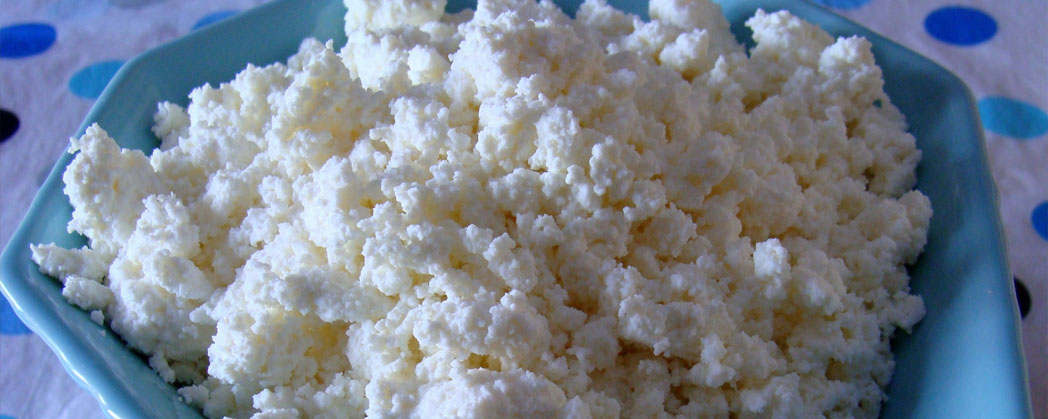 Traditional cottage cheese wasn’t what we see in stores today. Although it is changing and I see a couple brands that have probiotics in them.
When you ferment yogurt — especially with Lactobacillus reuteri or Kefir — and then strain it into a farmer’s-style cheese, something really special happens.
You get:
- A soft, protein-rich food
- Pre-digested casein
- Live beneficial bacteria
- Incredible versatility
It can be savory.
It can be sweet.
It can be eaten as a meal or a snack.
And unlike modern protein foods, it supports digestion instead of burdening it. It's fabulous, and I can show you how to make it in yogurt and kefir. Probiotic Cottage Farmer's Cheese Recipes
Why L. reuteri Is So Unique
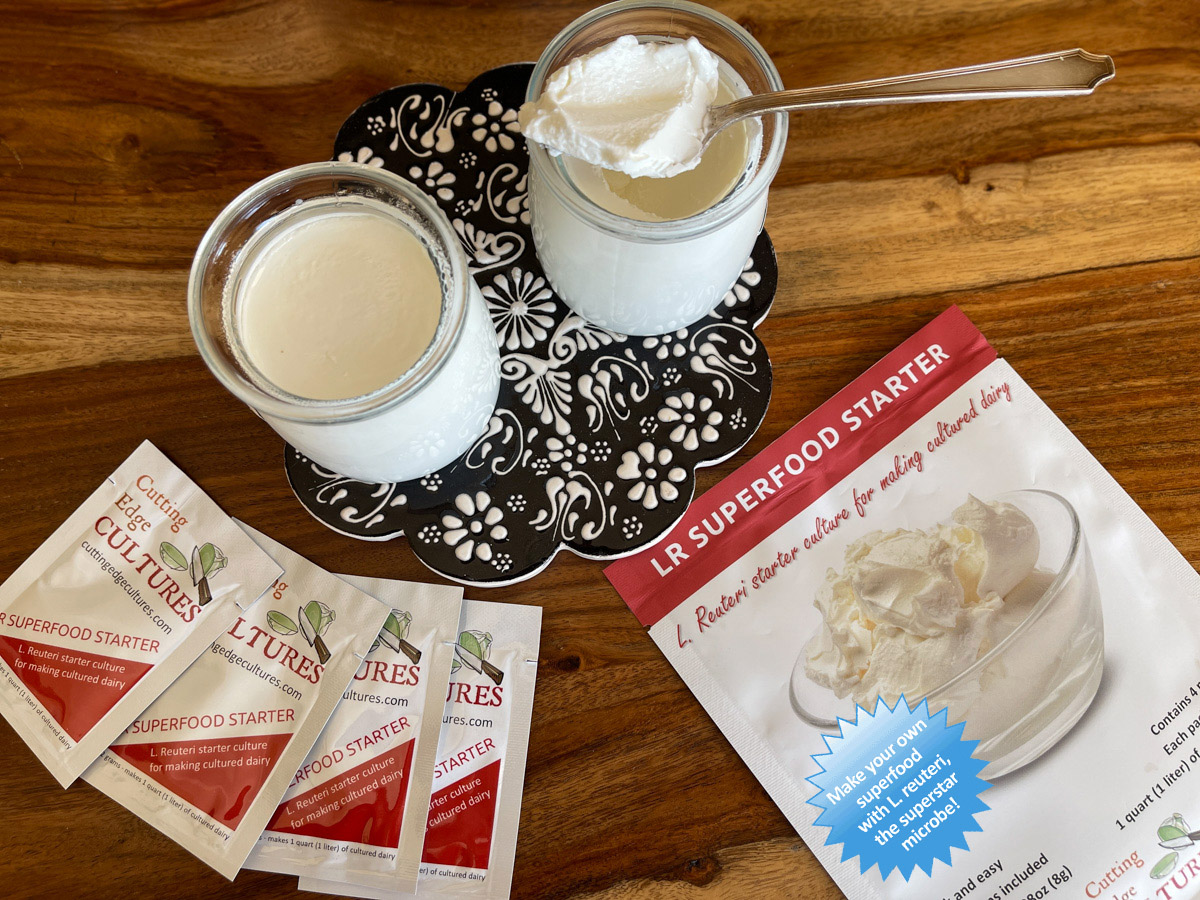 Now let’s talk specifically about L. reuteri, because this strain behaves differently than most.
L. reuteri works higher in the digestive tract.
It produces antimicrobial compounds.
It communicates with the nervous system.
Research shows it can:
- Improve insulin sensitivity
- Support muscle signaling
- Enhance skin and bone health
- Encourage oxytocin release — the bonding hormone
This isn’t just a digestive probiotic.
It’s a systemic communicator.
So when you ferment protein with L. reuteri, you’re not just feeding muscles — you’re influencing metabolism, hormones, and even mood.
That’s why people feel such a difference when they eat it.
Goat Milk Makes It Even Easier
For people who struggle with cow dairy, goat milk can be a game changer.
Goat milk:
- Has a different protein structure
- Forms a softer curd
- Is often easier to digest
When goat milk is fermented with Kefir or Yogurt:
- Proteins are broken down even further
- The texture becomes gentle and smooth
- The digestion is remarkably easy
And when it’s strained, you still get:
- High protein
- Lower lactose
- Powerful probiotic benefits
It’s one of my favorite options for sensitive systems.
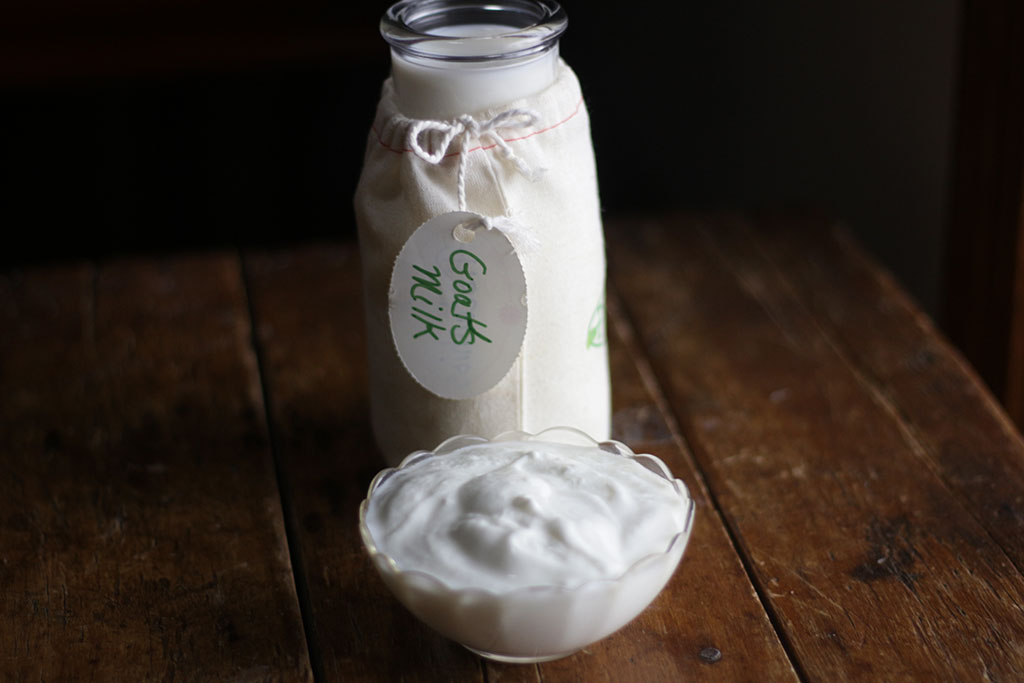
New! Goat milk L reuteri and Goat milk cheese recipes and videos in my Biotic Pro courses. Click here
Kefir vs Yogurt — A Quick Protein Perspective
People often ask about kefir versus yogurt when it comes to protein.
Yogurt:
- Is thicker
- Often higher protein when strained
- Very satiating
Kefir:
- Is lighter
- Has more probiotics
- Easier to digest
- Still rich in protein, but gentler
Kefir proteins are broken down differently because of the yeasts and diverse bacteria involved.
So if yogurt feels heavy — kefir may feel perfect.
If kefir feels light — strained yogurt may feel grounding.
There’s no “better.”
There’s only what your body uses best.

Something to Think About
If protein hasn’t been working for you…
If digestion feels off…
If food feels heavy instead of nourishing…
It may not be about eating more.
It may be about eating fermented.
And as always — listen to your body. It’s wiser than we think.
Listen To My Podcast
Protein has become the focus of modern health — but digestion is often overlooked. In this episode, I talk about why fermented protein is easier to absorb, how fermentation transforms dairy, and why foods like yogurt, kefir, and L. reuteri ferments can support muscle, metabolism, and gut health more effectively than processed protein products.
References:
Are you on the list?
Sign up today and I'll send you my free Getting Started Guide!
Each week I'll send you updates, tips, recipes, and more! You might even be a winner of my weekly giveaway! (starter cultures, memberships, and more!)
Come be a part of my cultured food family!