Look for me on:



Which is Better – Water Kefir, Milk Kefir or Kefir Soda?
Which Is Better?
The Kefir Drinks- Which is Better?
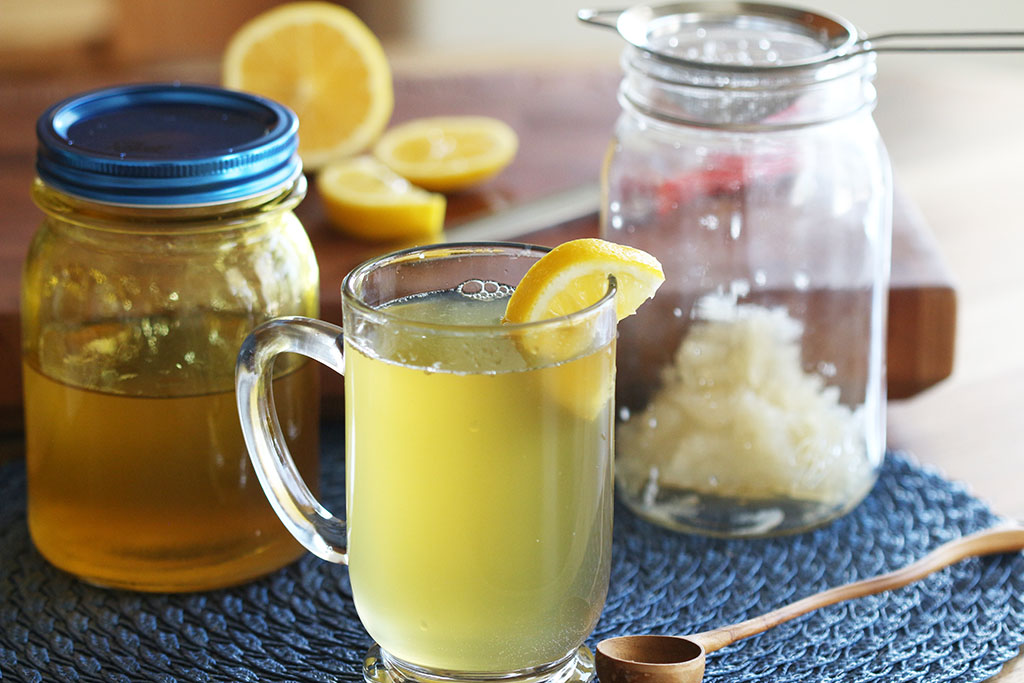
People often ask me about water kefir and milk kefir and which type of kefir I think is more beneficial. Water kefir is a non-dairy kefir that is gaining in popularity. Many people start with this method of making kefir because it’s so easy and fun, and they want a non-dairy option. It’s made with fruit juice, vegetable juice, coconut water, an extract, or even just sugar and water. A culture is then added, and the mixture is fermented. As with dairy kefir, the good bacteria eat the sugars in the juice and produce probiotics, and they also unlock additional vitamins and minerals. These are a good replacement for store-bought sodas. In addition to the probiotics, the kefir in the juice eats much of the sugar, so you don’t have to deal with the adverse effects of sugar that soda often promotes. There are no chemicals or artificial ingredients in kefir soda. And as a bonus for those of us who crave bubblicious beverages, kefir naturally creates carbonation.
Why Kefir Soda Is Different (And Why We Created It)
Over the years, many people have asked me whether water kefir is a good alternative to milk kefir. Traditional water kefir made with crystals has become popular, especially for those looking for a non-dairy, bubbly option. But through my own experience — and the experience of many people I’ve worked with — it became clear that there was room for something gentler, more reliable, and easier to use. That insight led me, together with the team at Cutting Edge Cultures, to develop kefir soda.
While the two are often grouped together, they are not the same.
Water Kefir and Kefir Soda Are Not the Same
Traditional water kefir is made using water kefir crystals that ferment sugar water, juice, or coconut water. While it can be bubbly and refreshing, it can also be unpredictable. Which led me to stop selling them.
Some common challenges people experience with water kefir crystals include:
- Inconsistent fermentation
- Over-fermentation or excessive sweetness
- Difficulty maintaining healthy crystals
Because water kefir crystals contain a mixed community of bacteria and yeasts that vary from batch to batch, the results can differ greatly depending on environment, sugar type, temperature, and handling.
For many people, this makes water kefir feel frustrating instead of supportive.
Why We Developed Kefir Soda Instead
Kefir soda was created to offer a simpler, more reliable, and more gentle option — especially for people who:
- Want a non-dairy fermented beverage
- Struggle to maintain traditional water kefir crystals
- Are working on gut imbalances like Candida
- Want the benefits of fermentation without the guesswork
Rather than relying on water kefir crystals, kefir soda is made using specific, supportive probiotic strains — including Saccharomyces boulardii.
This changes everything.
The Power of Saccharomyces boulardii
S. boulardii is a beneficial probiotic yeast that has been widely studied and used for gut support.
What makes it unique is that it:
- Does not colonize permanently, but works as a temporary helper
- Helps crowd out unwanted organisms, including yeasts like Candida
- Supports gut balance during times of stress, travel, or imbalance
- Helps maintain healthy bowel function
- Is naturally resistant to antibiotics
- Because S. boulardii is a yeast — not a bacteria — it behaves differently in the gut and can be especially helpful for people who struggle with bacterial overgrowths or yeast imbalances.
How Kefir Soda Fits Into a Gut-Healing Lifestyle
While milk kefir remains my daily fermented food, kefir soda plays a valuable supporting role. I don’t believe gut health should feel restrictive or joyless.
Fermented foods should:
- Nourish
- Support balance
- Fit into real life
- Feel sustainable
- Kefir soda allows people to enjoy something fun and fizzy while still supporting their microbiome — without the complications that can come with water kefir crystals.
The best fermented food is the one you’ll actually use consistently.
Which One Has More Probiotics?
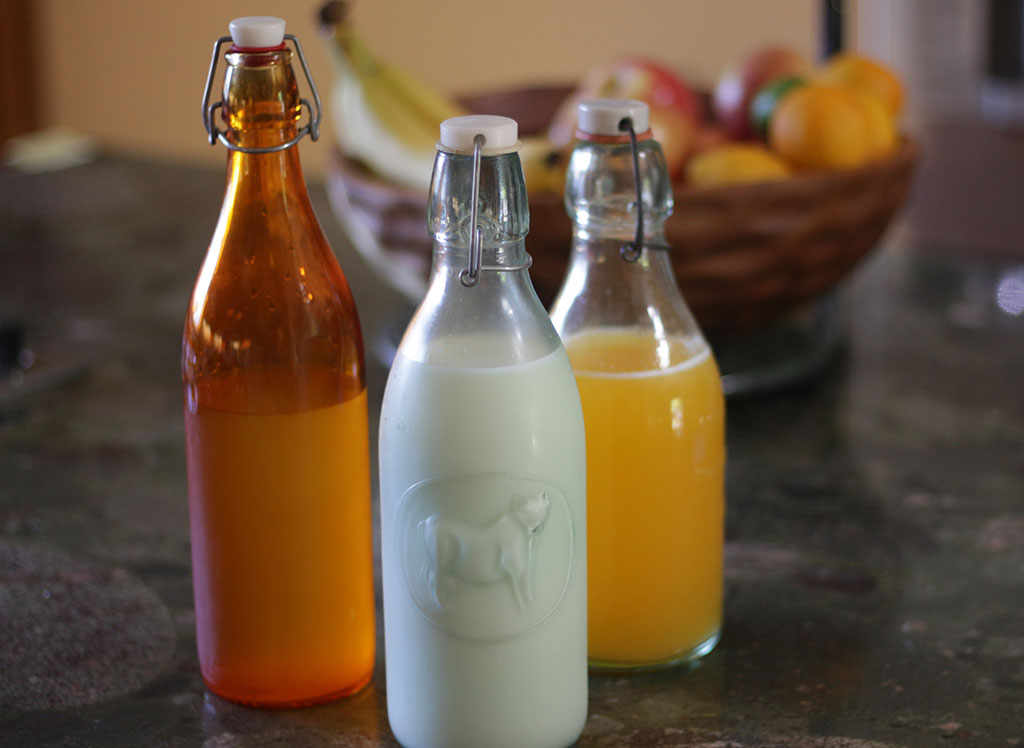 While I stand by water kefir or kefir soda as a great replacement for store-bought soda, I’ve learned a few things from my own experience. You can decide for yourself what’s right for you or do lots of different ones. I really like water kefir and kefir soda, but I love milk kefir. But if I had to choose one fermented food as a foundation, it would be milk kefir.
The reason is simple: nothing matches milk kefir’s microbial diversity. But why not do both? They both have a lot of value, and milk kefir does not have S. boulardii, the beneficial yeast that plays a unique role in supporting gut balance and helping crowd out unwanted organisms.
🥂 Water Kefir vs Kefir Soda: The Yeasts Behind the Fermentation 🥂
Why the Yeast Matters
While water kefir and kefir soda may look similar, they behave very differently — largely because of the yeasts that drive the fermentation. Water kefir relies on multiple active yeasts fermenting together, which can create strong fizz but may also be harder for those with yeast sensitivities or Candida imbalance to tolerate.
Kefir soda is intentionally built around a single, targeted yeast (Saccharomyces boulardii), which is widely used to support gut balance and help crowd out unwanted organisms like Candida. This results in a gentler, more predictable ferment that supports balance rather than overwhelm — making kefir soda an easier, more supportive option for sensitive systems.
Does juice create alcohol in kefir soda?
👉 No — kefir soda does not create alcohol in any meaningful amount.
When made as directed, kefir soda remains non-alcoholic.
Why juice does not turn kefir soda into alcohol
Kefir soda is not fermented with alcohol-producing yeasts like those that dominate water kefir (for example, Saccharomyces cerevisiae).
Instead, kefir soda is built around Saccharomyces boulardii, which behaves very differently:
- It does not ferment sugars into alcohol
- It produces no meaningful ethanol
- It supports fermentation without creating alcoholic byproducts
- It does not overgrow or dominate the gut
Because of this, even though juice contains natural sugars, those sugars are:
- Strongly consumed during fermentation
- Converted into acids and carbonation
- Not converted into alcohol
Water kefir versus Kefir Soda comparsion
Find The One That Suits You
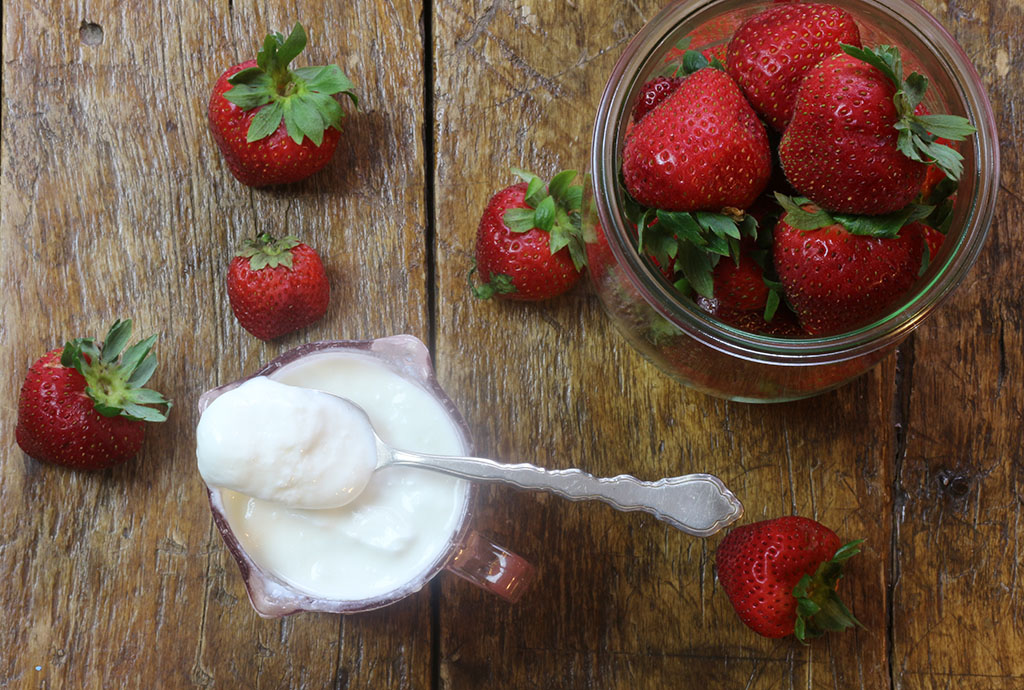
Milk provides an ideal environment for fermentation. The natural sugars, proteins, and fats in milk feed a wide range of microorganisms, allowing them to thrive together in a stable, balanced ecosystem. This is why milk kefir can deliver both quantity and variety — two factors that matter greatly when rebuilding and maintaining gut health.
That said, this doesn’t mean other ferments don’t have a place.
Kefir soda, for example, offers gentle support, natural carbonation, and targeted benefits that can be especially helpful for sensitive systems or for replacing sugary beverages. Water-based ferments can also be enjoyable and beneficial for some people.
I drink milk kefir every day and kefir soda is always in my fridge. I love to make gelatin with it and serve it on holidays, special occasions, and when I want a bubbly refreshing drink. I always have lacto-fermented beverages in my fridge, be it kombucha or kefir sodas. It really depends on what I'm in the mood for, but I have milk kefir every day.
I feel that milk kefir (either non-dairy kefir or dairy kefir) has helped me more than water kefir, but many people have claimed water kefir helped them greatly by repopulating their gut with good flora and made them feel great. I really want you to get probiotics into your body in any way you can. Eat and drink cultured foods and find the one that most appeals to you and let your own body show you the way. I am seeing more and more stores serving water kefir, or kombucha, and this thrills me. Probiotic lacto-fermented beverages are a much-needed change from the last 50 years of high-fructose beverages that harm our bodies and cause addictions and cravings. The good news is that water kefir or kefir soda tastes great and is bubbly too!
Recipes To Make Kefir
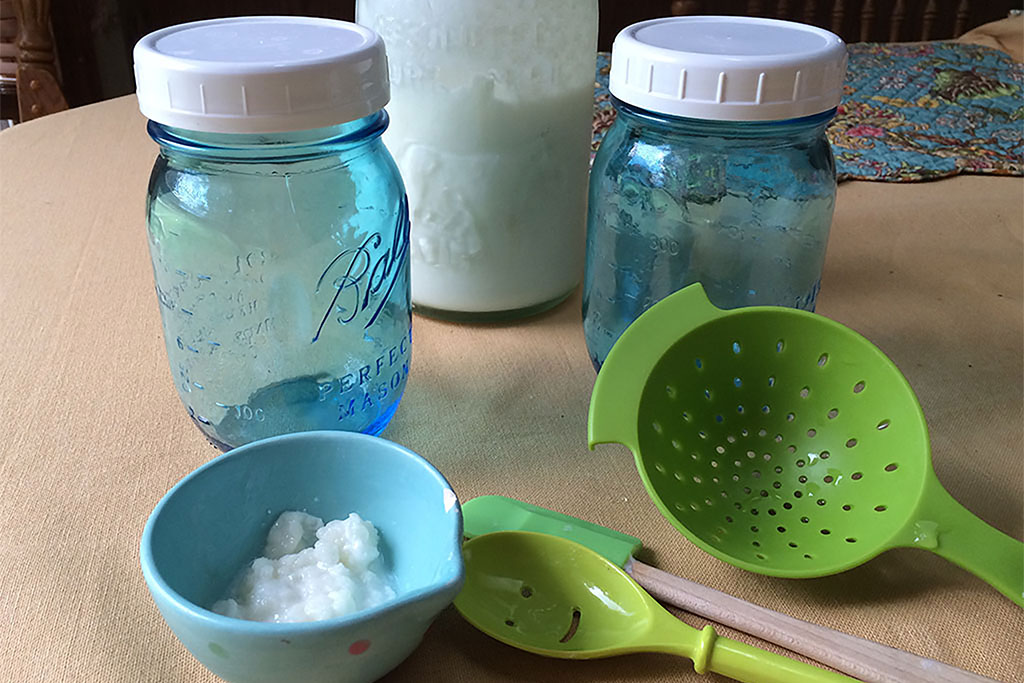
How to Make Milk Kefir
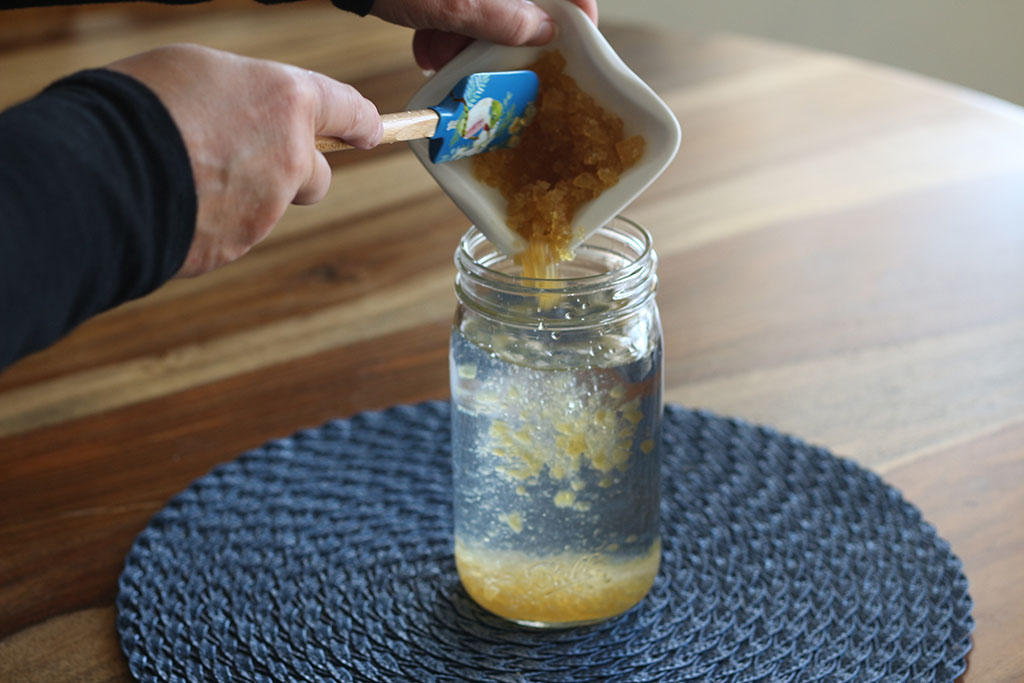
How to Make Water Kefir

How to Make Kefir Soda
Listen To My Podcast
People ask me this question all the time — which kefir is best? In this episode, I break down the real differences between water kefir, milk kefir, and kefir soda, and explain why they’re not all the same, even when they look similar. We’ll talk about probiotics, yeasts, sugar, alcohol concerns, and why microbial diversity matters — especially if you’re healing your gut or dealing with sensitivities like Candida.
Are you on the list?
Sign up today and I'll send you my free Getting Started Guide!
Each week I'll send you updates, tips, recipes, and more! You might even be a winner of my weekly giveaway! (starter cultures, memberships, and more!)
Come be a part of my cultured food family!