Look for me on:



The Forgotten Foods That Built Strong Guts (Before Diets Existed)
The Forgotten Foods
In the Beginning
Before calorie counting.
Before food rules.
Before labels and programs.
There were cultured foods.
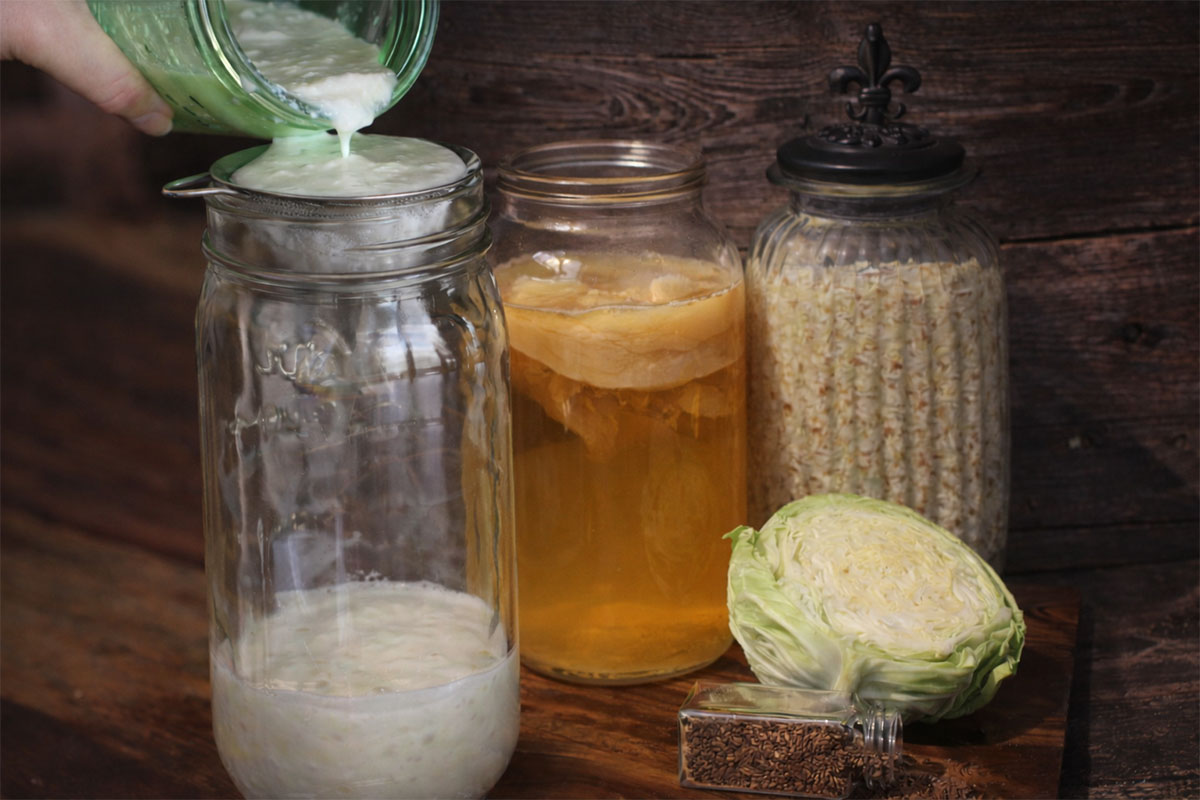
For thousands of years, long before anyone spoke about macros or microbiomes, people relied on fermented foods to nourish their bodies, preserve their harvests, and support digestion and strength. These foods weren’t optional or trendy—they were essential.
Milk kefir
Yogurt
Cultured vegetables
Fermented drinks
Sourdough
They were eaten not to lose weight—though they support that too—but to stay well.
I am 65 years old as I write this, and I didn’t find cultured foods until I was 41.
I needed them.
And little did I know … they might have needed me too.
Nobody loves kefir grains the way I do. If you rinse them in water, leave them in the fridge, and forget to feed them—it honestly pains me. I can’t tell you how many times I’ve had to hand off emails to my team when well-meaning people describe things that quietly harm these grains and then ask me what went wrong. I just can’t handle it.
These grains are alive.
They deserve care.
When I first started this journey, people thought I was crazy. “Fermenting food on your counter? That’s not safe,” they’d say. But I knew better—because these foods had already made me well. They answered my cry for help when nothing else did.
I remember being interviewed by someone who was very well established in the probiotic supplement industry. They told me—confidently—that nobody, but nobody, was ever going to make cultured foods at home. It was too hard, they said. It just wasn’t going to happen.
I remember quietly thinking to myself,
I will find a way to help people.
I will share the good news that cultured foods work better than any supplement.
Just you wait and see
Three published books and an audiobook coming Jan 27th, 2026
340+ podcasts.
500+ blogs.
And tens of thousands of people around the world now making cultured foods in their own kitchen. It caught on and people know what fermented foods are. It's thrilling.
I’d say it’s a done deal.
Never underestimate the power of finding wellness when your body once cried out for help.
When Food Was Medicine—and Still Is
Fermented foods were born out of necessity. Before refrigeration, clean water systems, or modern sanitation people discovered something extraordinary: when foods were allowed to ferment, they became safer, more nourishing, and longer lasting.
Beneficial bacteria flooded the food, crowding out harmful microbes and preserving nutrients. In the process, these foods didn’t just last longer—they worked with the body in remarkable ways.
What we now call “gut health” was once simply understood as good digestion, resilience, and vitality.
 Kefir: The Mystical Milk That Spans History and Legend
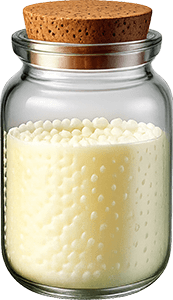 Kefir: The Mystical Milk That Spans History and Legend
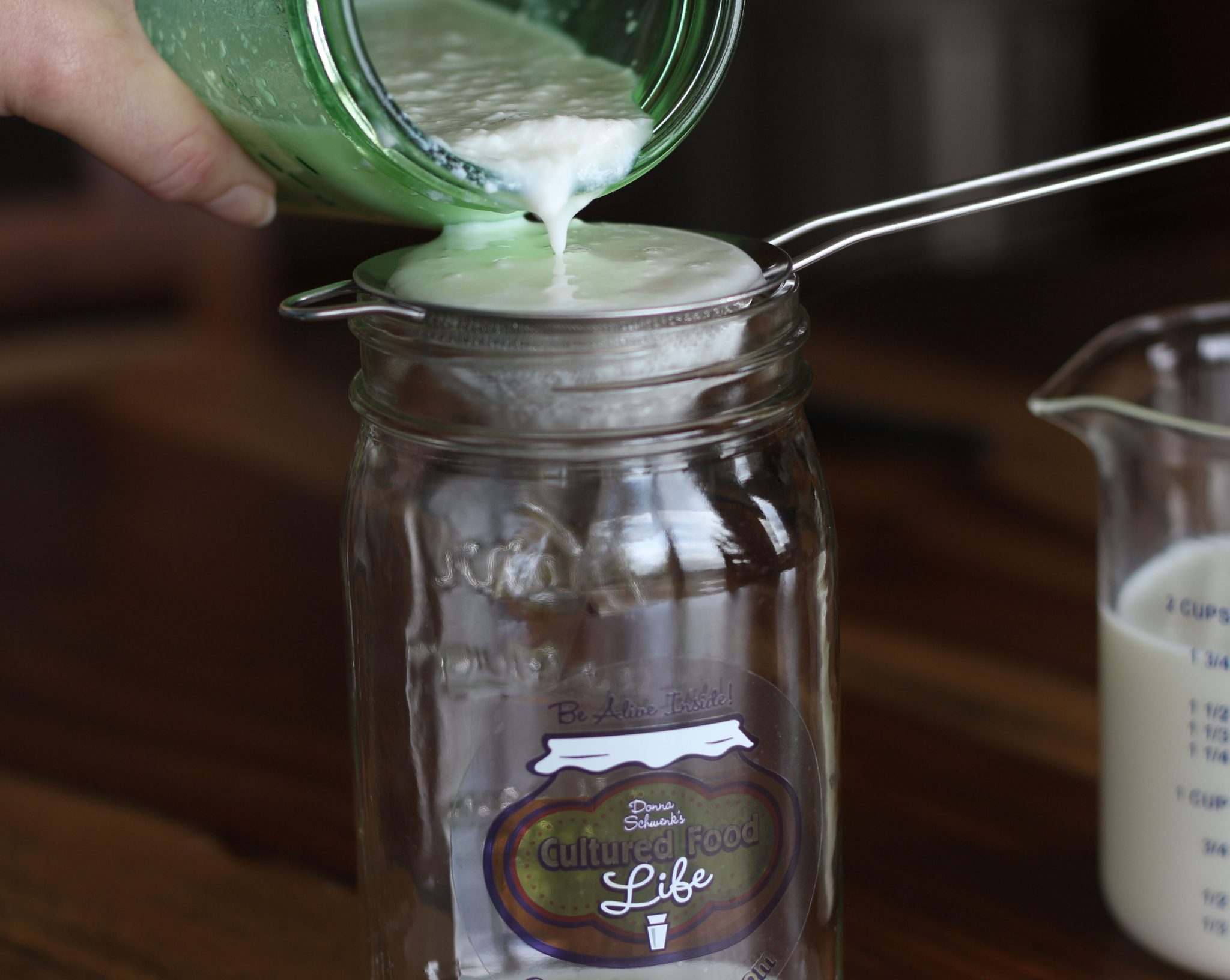 Kefir may be one of the most mysterious foods in human history.
It has been spoken of for thousands of years in stories, legends, and sacred traditions. Ancient scrolls found in Turkey trace fermented milk back to the time of Abraham, who credited it with long life.
Even Marco Polo wrote about kefir during his travels in the East.
The most documented history comes from the Caucasus Mountains, between the Black and Caspian Seas. According to legend, the prophet Muhammad called kefir grains “the Grains of the Prophet” and taught the people how to make kefir. These grains were guarded carefully, believed to lose their strength if shared with outsiders.
The people of the Caucasus drank kefir daily—and were known for living well past 100 years old.
How Kefir Nearly Stayed Lost to the World
The Journey of Kefir Into the Modern World
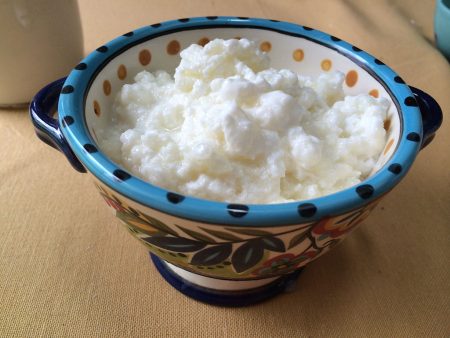 For centuries, kefir remained largely unknown outside the Caucasus region.
In the early 1900s, Russian doctors became interested in kefir for treating tuberculosis. Determined to study it, they devised a plan to obtain kefir grains. A young woman named Irina Sakharova was sent to persuade a local prince to share them.
Instead, the prince kidnapped her.
When Tsar Nicholas II learned of this, he ordered the prince to release Irina and compensate her—with ten pounds of kefir grains.
Those grains were brought to Moscow, and in September 1908, the first bottles of commercially produced kefir were sold. By the 1930s, kefir was widely consumed throughout Russia.
Decades later, in 1973, the Soviet Minister of Food Industry sent a letter to 85-year-old Irina Sakharova, thanking her for bringing kefir to the Russian people.
A Living Food Science Still Can’t Replicate
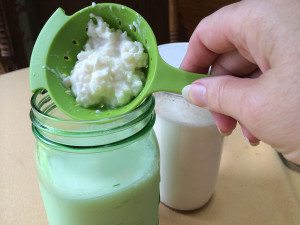 Even today, kefir remains unique.
Scientists know exactly what’s inside kefir grains—yet they cannot recreate them. Despite all our technology, kefir grains remain something only nature can make.
That alone speaks volumes.
Kefir isn’t just food.
It’s a living ecosystem—one that has sustained humanity for millennia.
Kombucha: The Fermented Tea of Warriors and Healers
 Kombucha: The Fermented Tea of Warriors and Healers
 Kombucha is another ancient fermented food with a long and fascinating history.
One early story dates back to 414 AD, when a Korean physician named Dr. Kombu brought fermented tea to the Japanese Emperor. Samurai warriors were said to carry it in their wineskins for energy and endurance.
Other accounts describe a vinegary fermented drink traveling with Genghis Khan and his armies.
From Asia, kombucha made its way to Russia and Eastern Europe, where it became known as Tea Kvass. During World War II, Russian scientists noticed something remarkable: two regions of the country had unusually low cancer rates. Both regions had been drinking kombucha regularly for generations.
Even Nobel Prize–winning author Aleksandr Solzhenitsyn credited kombucha with saving his life during exile in Siberia, as documented in Cancer Ward.
By the 1960s, Swiss research confirmed kombucha’s gut-supporting benefits, comparing it to yogurt.
 Fermented Vegetables: Survival Foods That Built Resilience
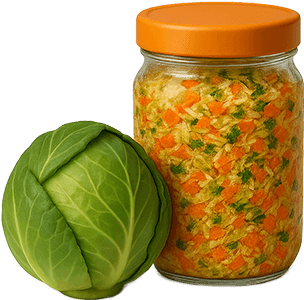 Fermented Vegetables: Survival Foods That Built Resilience
 Fermented vegetables may be the most universal fermented food of all.
The earliest records date back to 6000 BC in the Fertile Crescent, and nearly every culture—Ukrainian, Polish, Russian, Indian, Asian, African—has relied on them.
Fermenting vegetables allowed people to preserve food safely, increase nutrients, and protect against pathogens, especially during long winters.
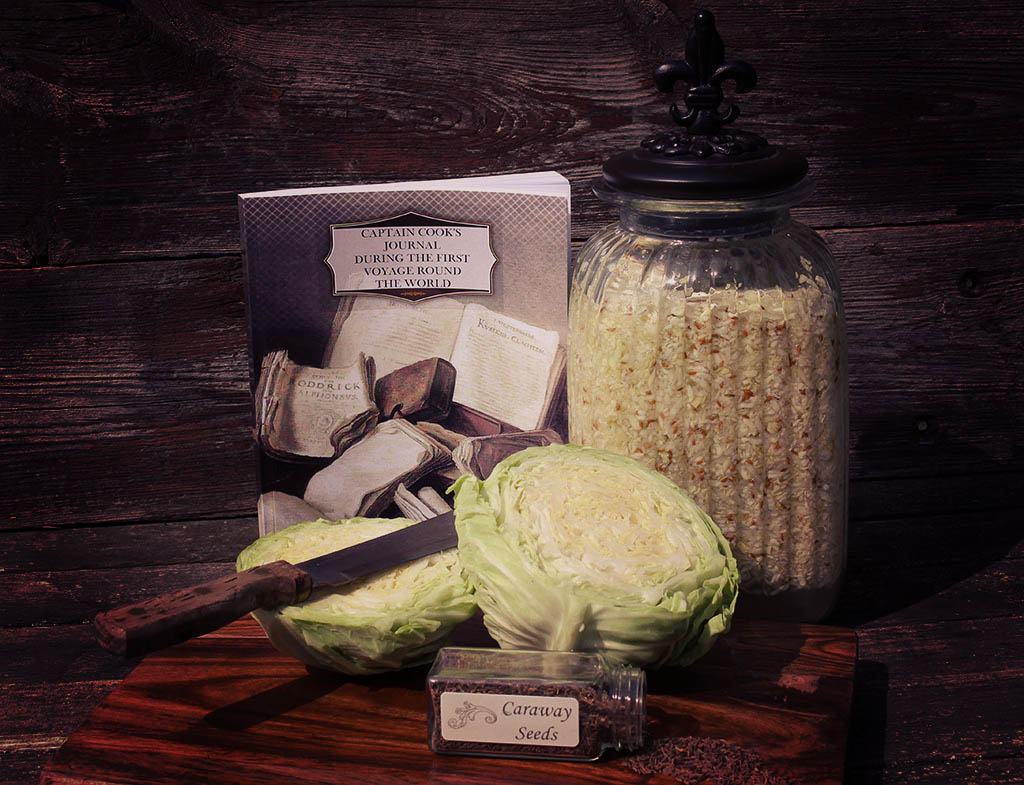
One of my favorite stories involves Captain James Cook.
In 1768, Cook stocked his ships with massive barrels of fermented cabbage—nearly 8,000 pounds of sauerkraut. He observed that sailors who ate it did not develop scurvy, a disease caused by vitamin C deficiency that killed millions.
Fermented cabbage saved lives—both internally and externally.
And it still does.
Cultured vegetables are rich in vitamin C, minerals, enzymes, and beneficial bacteria—exactly what the immune system needs, especially during stress or illness.
A Return to What Works
If you’re unsure where to begin, start small. Maybe Kefir... this is where I started.
One spoon
One cup
One daily habit
Your body remembers these foods—even if modern life made you forget.
I’m here to help you begin. Everything you need to get started is waiting for you free under the little smiley pot in the menu bar. 
If you’d like more support, you’re welcome to join my Biotic Pro membership, where I share weekly videos, in-depth lessons, and gentle guidance to help you build confidence and consistency with cultured foods.
Let’s do this together. Don't go through life not feeling good.
This work is my life’s purpose, and one I am deeply grateful to fulfill. Many years ago, I made a promise to God: Help me get better, and I will help others. What you see here is me living out that promise—24+ years and still going strong.
I love life, and my body, and I want you to love yours too. And just so you know … your trillions of microbes are cheering you on. 💛 Just you wait and see...
Recipes To Get Started
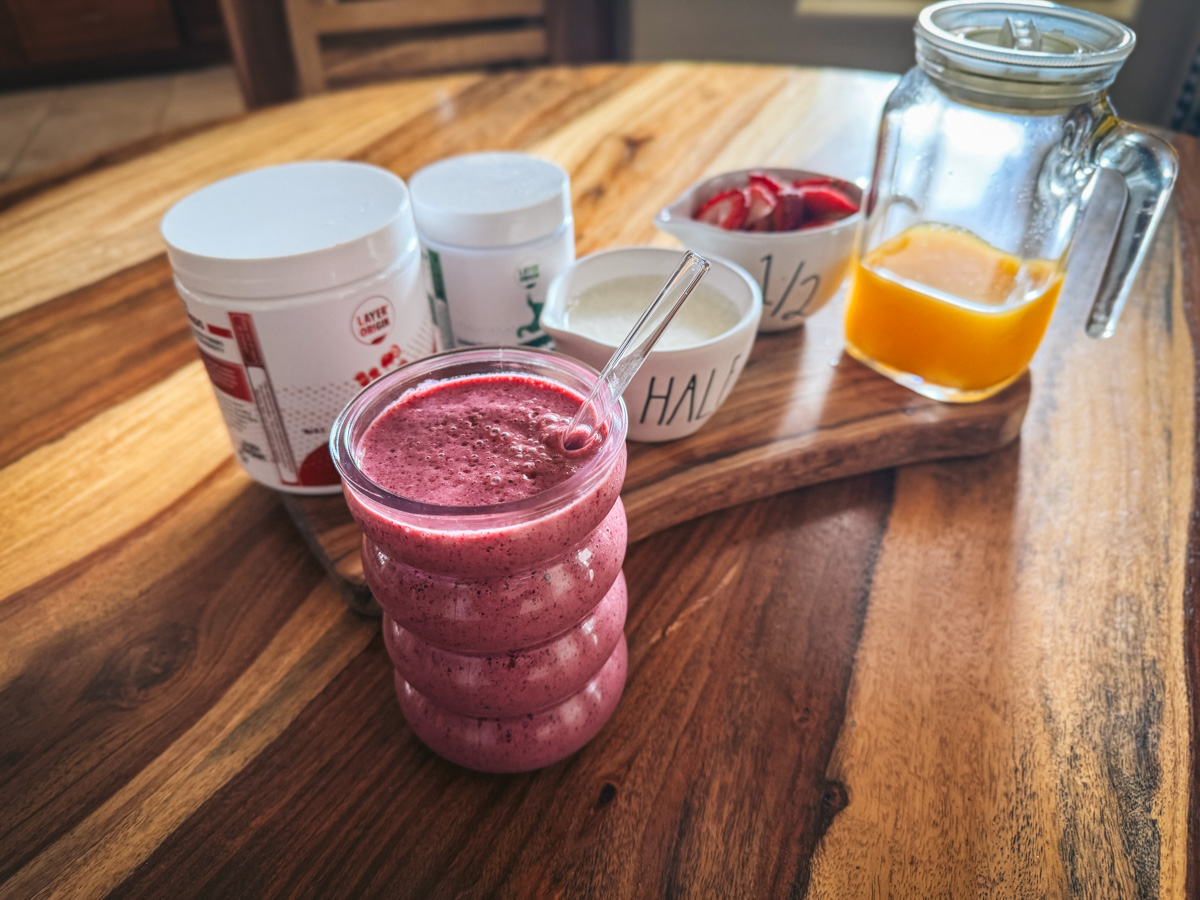
Get Better Kefir Smoothie
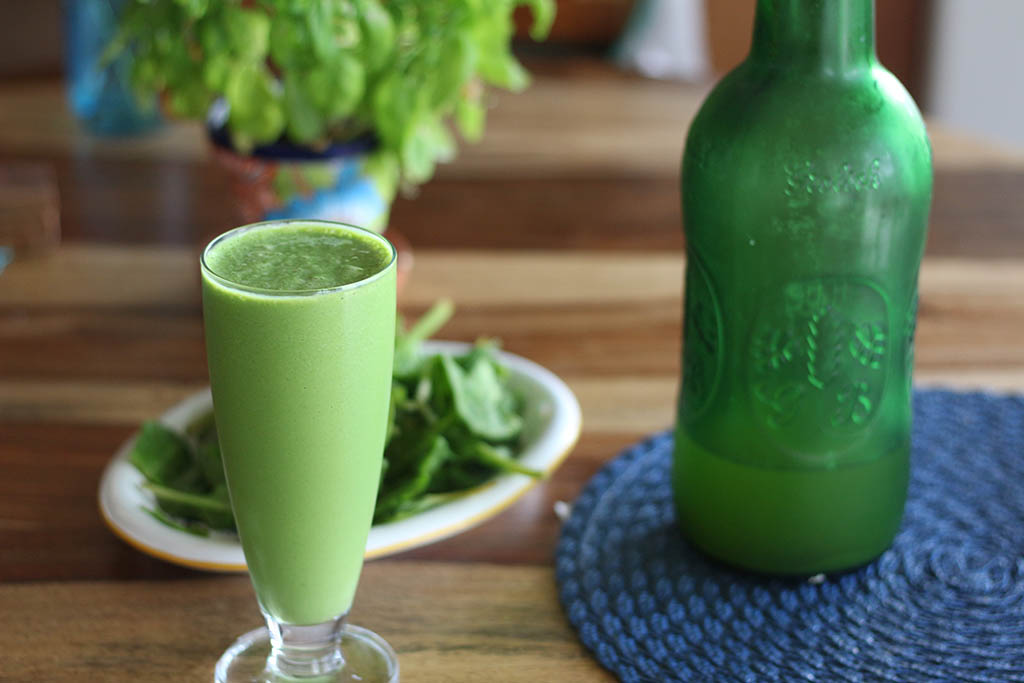
Kombucha Yogurt Smoothie
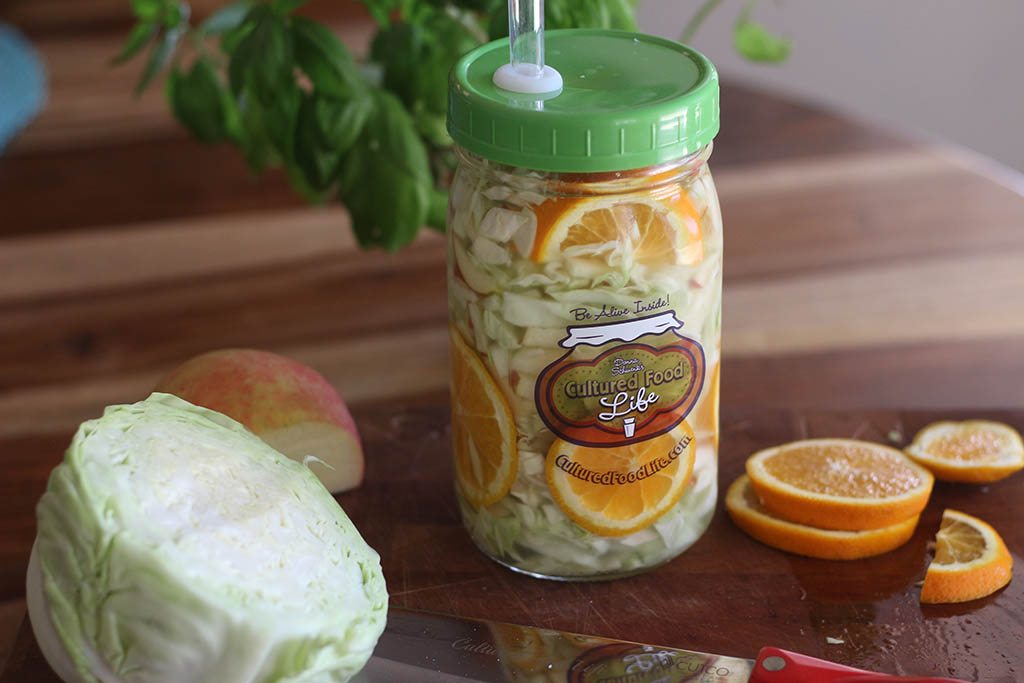
Orangeade Kraut
Listen To My Podcast
In this episode, I share the story of the forgotten foods that built strong guts for thousands of years — kefir, yogurt, cultured vegetables, fermented drinks, and sourdough. These foods weren’t trends or optional add-ons. They were everyday nourishment that supported digestion, immunity, and resilience.
If you’ve ever wondered why modern guts struggle so much, this episode may help you remember what the body has always known.
Are you on the list?
Sign up today and I'll send you my free Getting Started Guide!
Each week I'll send you updates, tips, recipes, and more! You might even be a winner of my weekly giveaway! (starter cultures, memberships, and more!)
Come be a part of my cultured food family!