Look for me on:



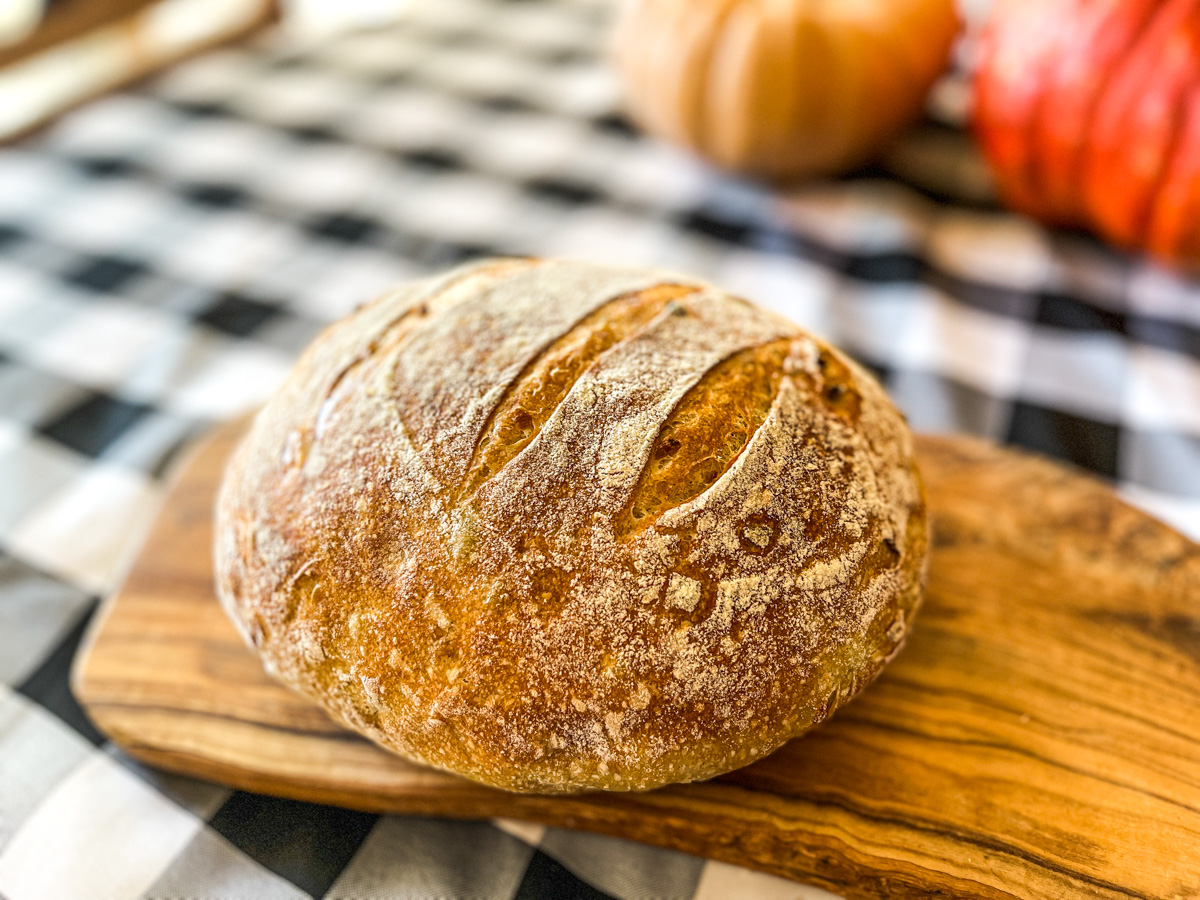
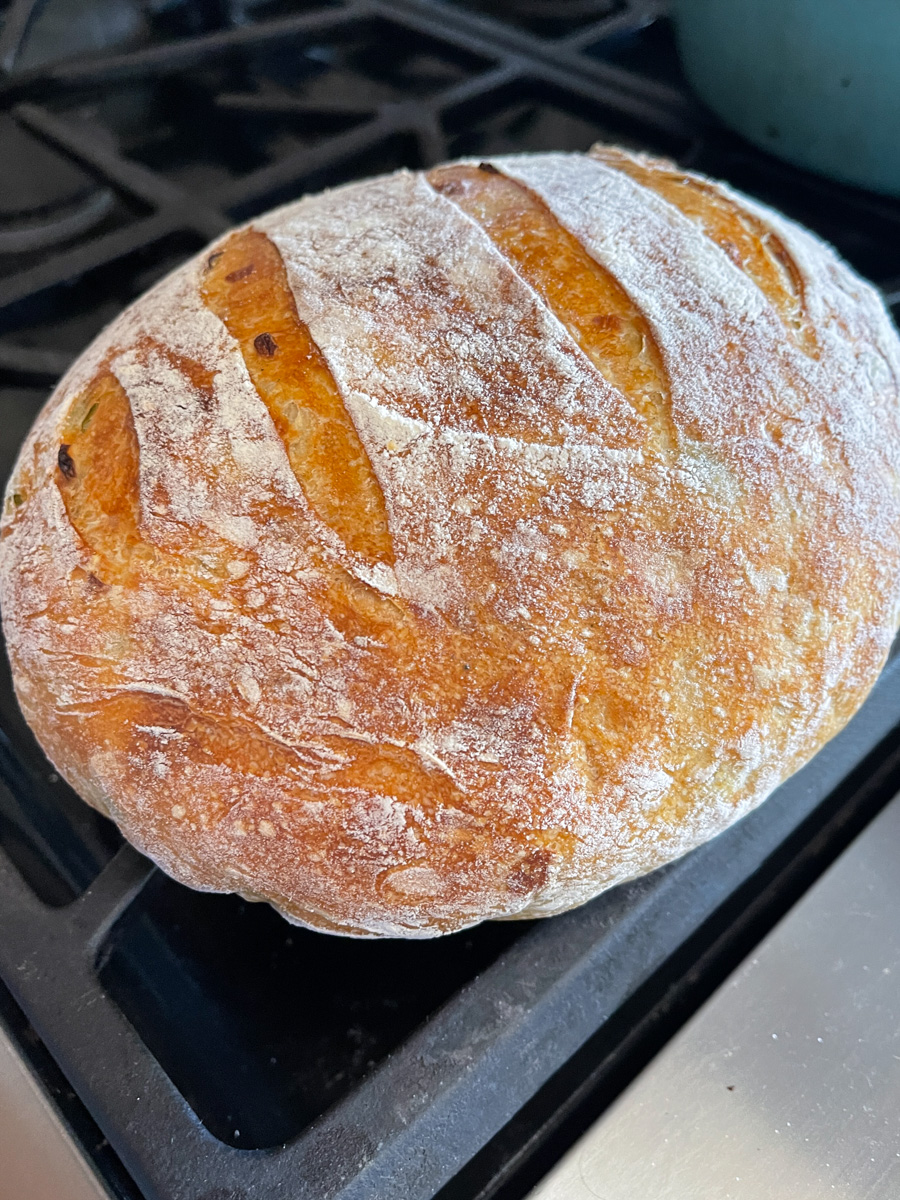
Sourdough Stuffing Bread
Bread that Tastes Like Stuffing
"Nurture a sourdough starter and rise your bread to heights of grandeur and fall in love with sourdough bread."Donna
When I was a little girl, my mom always made her stuffing for the turkey the night before Thanksgiving. It would sit in this large glass bowl filled with bread cubes, celery, onions, and seasoning. Every time I would walk by that bowl I would steal a cube of bread being careful not to take too much lest my mom notice. The stuffing was my favorite dish at Thanksgiving and we only got it once a year so it felt very special to me. My sister would always make turkey stuffing sandwiches the day after the feast. She stuffed bread with leftover turkey, cranberry sauce and stuffing. It was her favorite day after Thanksgiving feast ritual. One day just recently, I went to a sourdough bakery and restaurant where they served turkey melts on cranberry sourdough bread, and I thought maybe I could make stuffing bread with all the yummy veggies and seasonings in the stuffing. It would make a great way to use up leftovers from the Thanksgiving turkey. It turned out so delicious, but I was not prepared for the way it smelled while it was baking. This just might become a Thanksgiving tradition from here on out - it's that good!
Making sourdough bread has taught me so much. It's impossible to consume flour and water by itself and consider it anything edible. But take those same ingredients and throw in a little salt, a culture, and let it ferment, and it will transform into one of the most consumed foods in all the world.
Sourdough Bread Has Important Microbes
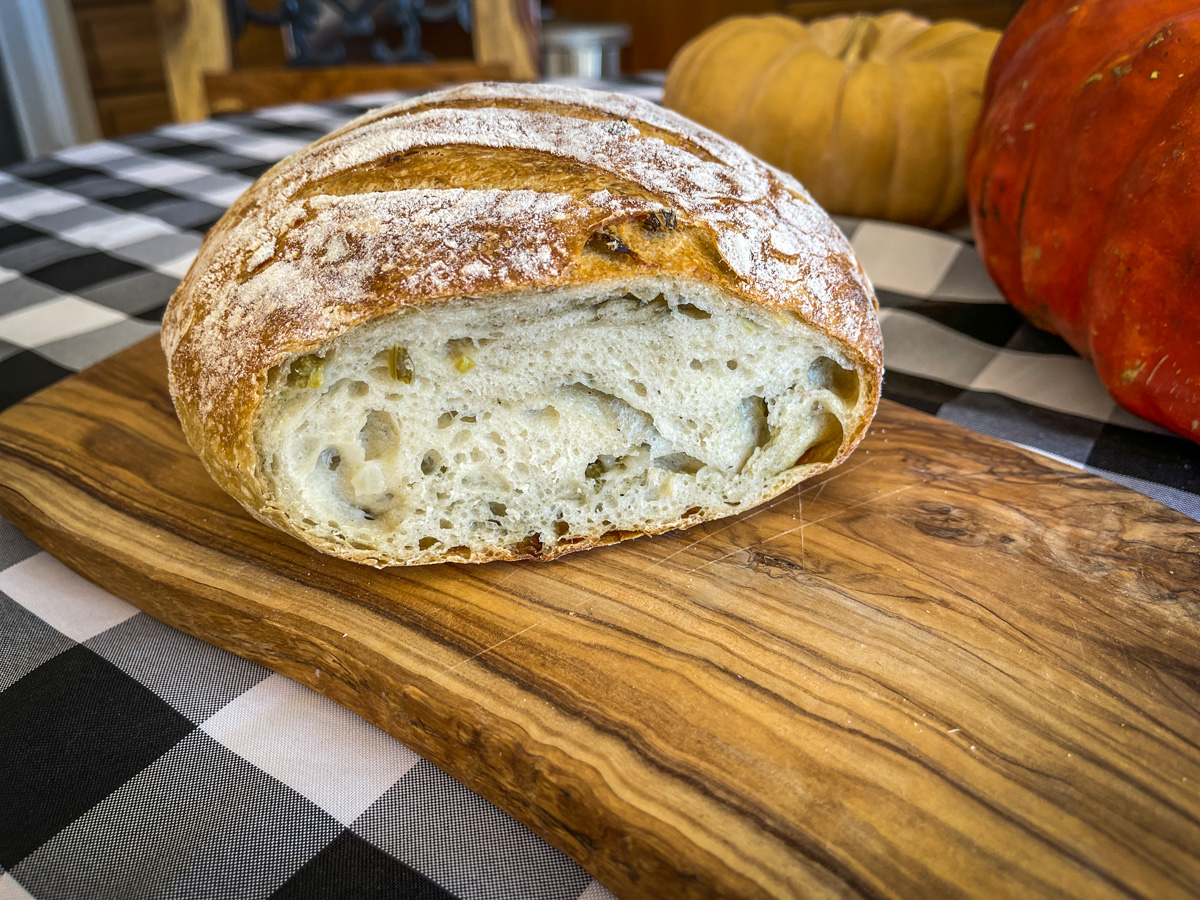
A couple of quick reminders of how special sourdough bread is. The sourdough starter is loaded with Lactobacillus bacteria, which help break down gluten and unlock nutrients, making a wonderful bread that everybody will enjoy.
I have found that most people’s bodies struggle to digest grains. Yet these same bodies can flourish with grains made with a sourdough culture. Sourdough bread made with longer fermentation times (seven or more hours) is considered lower glycemic, which is a wonderful benefit. In addition, the sourdough process changes the composition of the grain in numerous ways, making it a more beneficial food. This process produces vitamin C and increases the content of vitamins B1, B2, B5, and B6. Carotene, which is converted to vitamin A, increases dramatically – sometimes as much as an eight-fold increase. Using a sourdough culture also inactivates aflatoxins, toxins produced by fungus and found in grains.
Although it takes a little time to make, sourdough bread can be fast food on busy days. Sandwiches are the best when made with sourdough bread, and the benefits are many. It doesn't take long to throw it together, although this recipe requires cooking the veggies first. But that is easily done and so worth the effort.
I hope you will try making sourdough bread sometime. It is a special and fulfilling skill, and I try to make it super easy for you. The microbes do most of the work - you just need a little patience and a lot of love to put into the bread. It's love made visible . . . just you wait and see.
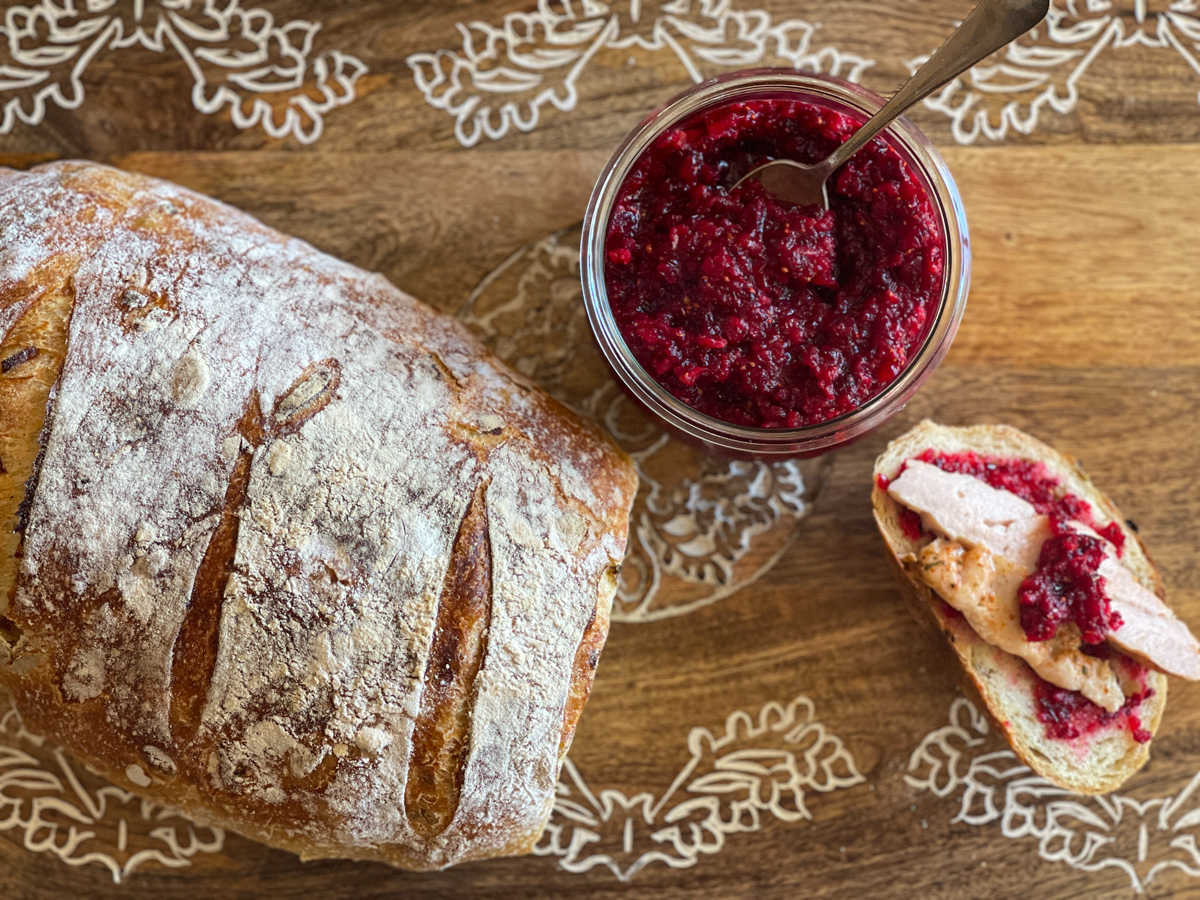
Fermented Cranberry Sauce
Members get the Fermented Cranberry Sauce Recipe:
Serve this yummy relish on the holidays or make a turkey sandwich with leftovers and Sourdough Stuffing Bread!
Cranberries are usually eaten only around the holidays. It’s really a shame we don’t eat them all year long, as they are powerful foods that can work like preventative medicine.
Get The Recipe!
Sourdough Stuffing Bread
Watch The Video
Nutrition
Ingredients
- 50 grams Bubbly Sourdough Starter - (¼ cup - See step 1 of instructions)
- 350 grams warm water (80° F) - (1 ⅓ cups plus 2 tablespoons)
- 500 grams Bread Flour - (4 cups plus 2 tablespoons) You can use other flours, too: white unbleached flour, white whole wheat, or spelt. Whole wheat flour will be denser and won’t rise as much as white flour. For your first few loaves, you'll have more success if you don't use it. Don’t use gluten-free flours.
- 9 grams Celtic Sea Salt (finely ground) - (1½ teaspoons) or Himalayan salt
Stuffing Filling
- 1 ½ tablespoons butter
- 1 medium onion - 140 grams
- 1 stalk celery - 50 grams
- 1 teaspoon Poultry Seasoning
Every ingredient with a link was selected by me to make it easier for you. I may receive a small affiliate commission if you buy something through my links. Thank you! ❤️
Instructions
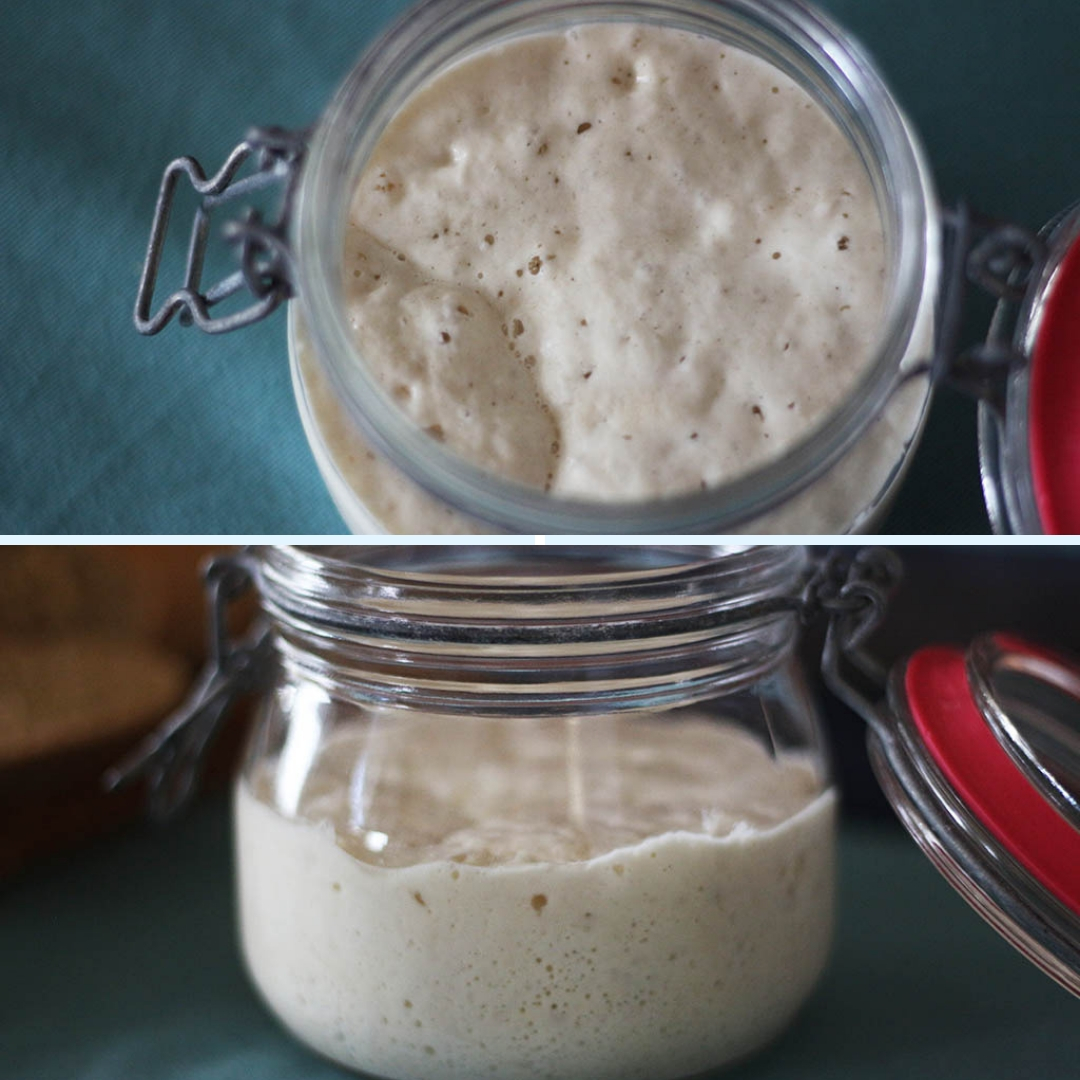
- You need to make sure your sourdough starter is bubbly and ready to go. If it has not been fed recently, take a few spoonfuls of sourdough starter from your fridge and give it that much flour and water and let it ferment for 6 - 8 hours. Here is more help for a bubbly sourdough starter. How to care for your sourdough starter

Stuffing
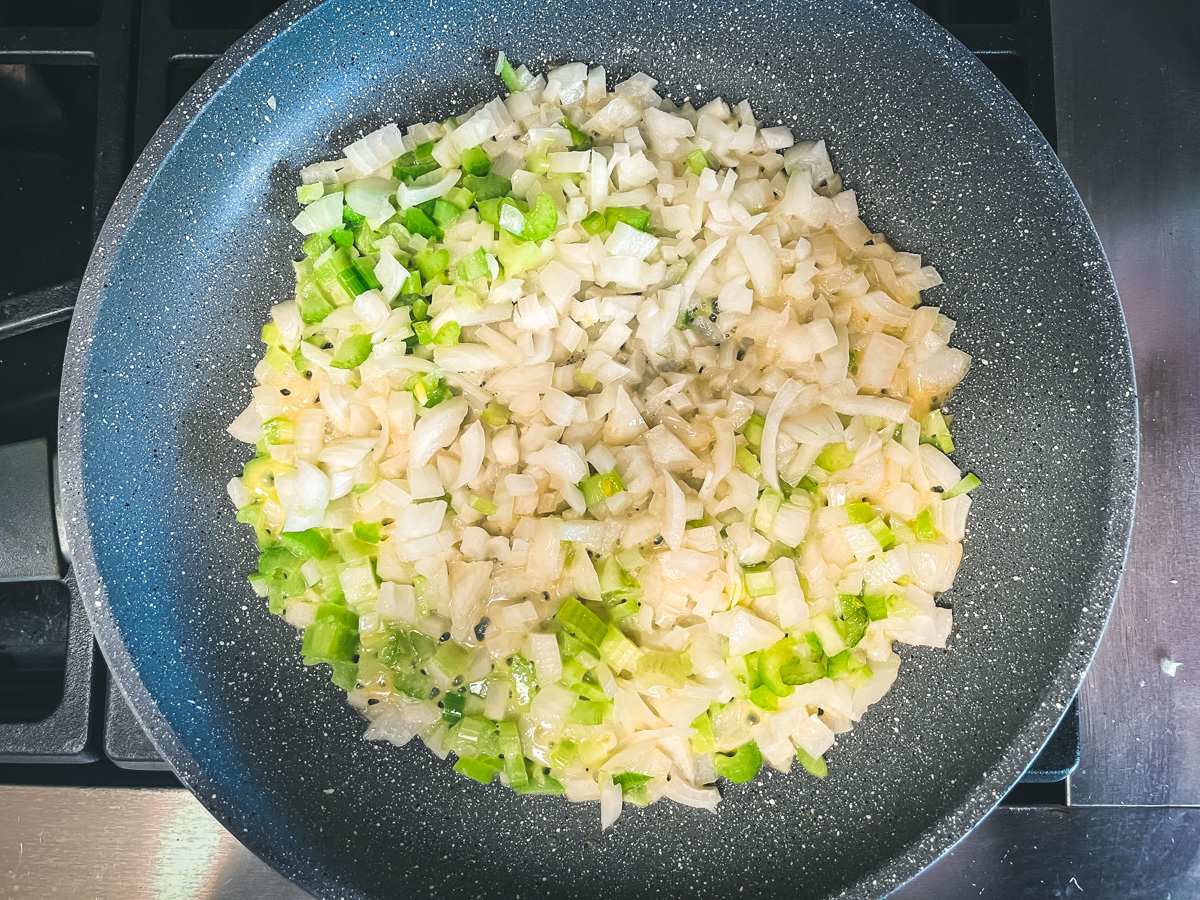
- Dice the onion and celery into tiny pieces. Melt the butter in a pan over medium-high heat. Add the onions and celery to the pan with the poultry seasoning and sauté in the butter until tender but not browned (about 4 minutes).

Making the dough
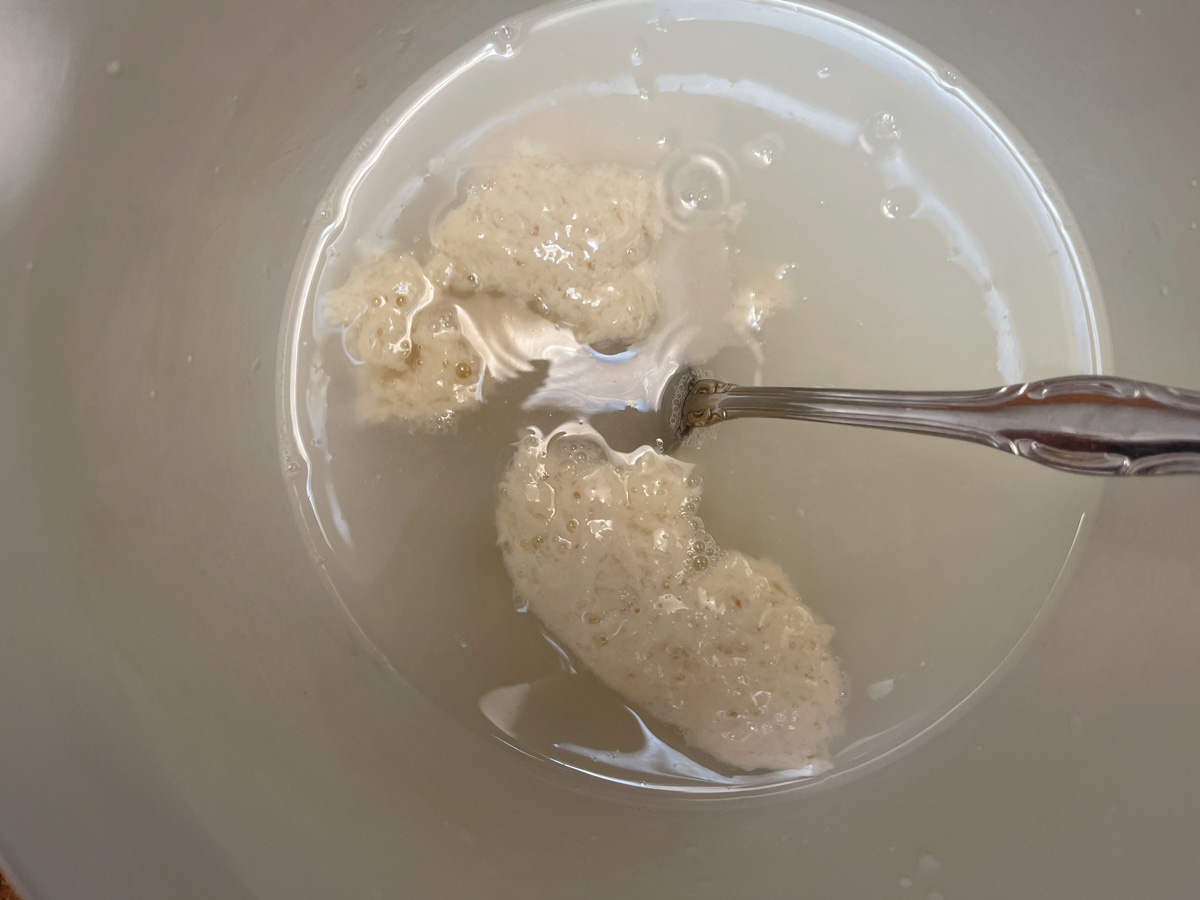
- Add the bubbly sourdough starter and warm water to a large bowl. Mix them together with a whisk or a fork until well combined.
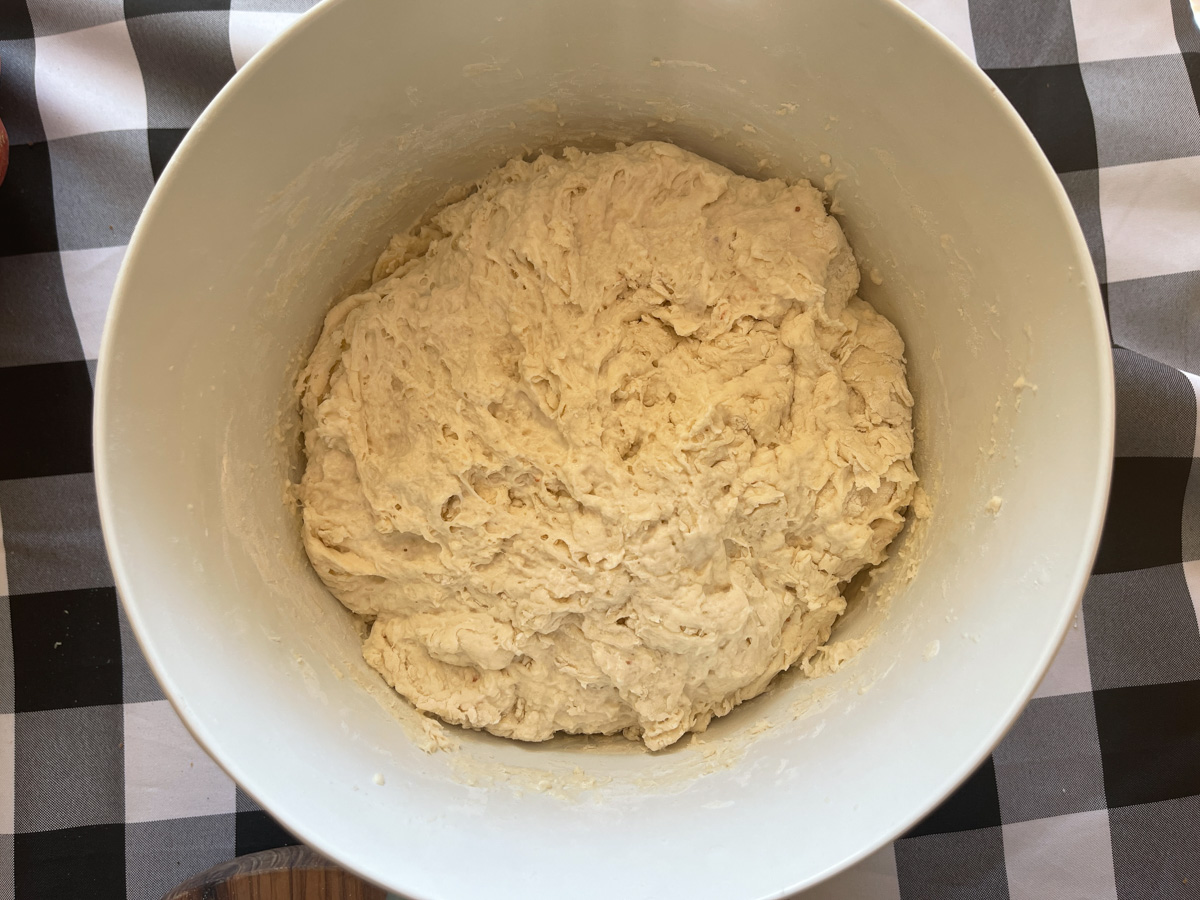
- Add the flours and salt and combine with a stiff spatula. You can also use your hands to get the flour fully incorporated into a shaggy dough. Then cover the bowl with plastic wrap or a damp cloth and let sit for 30 minutes.
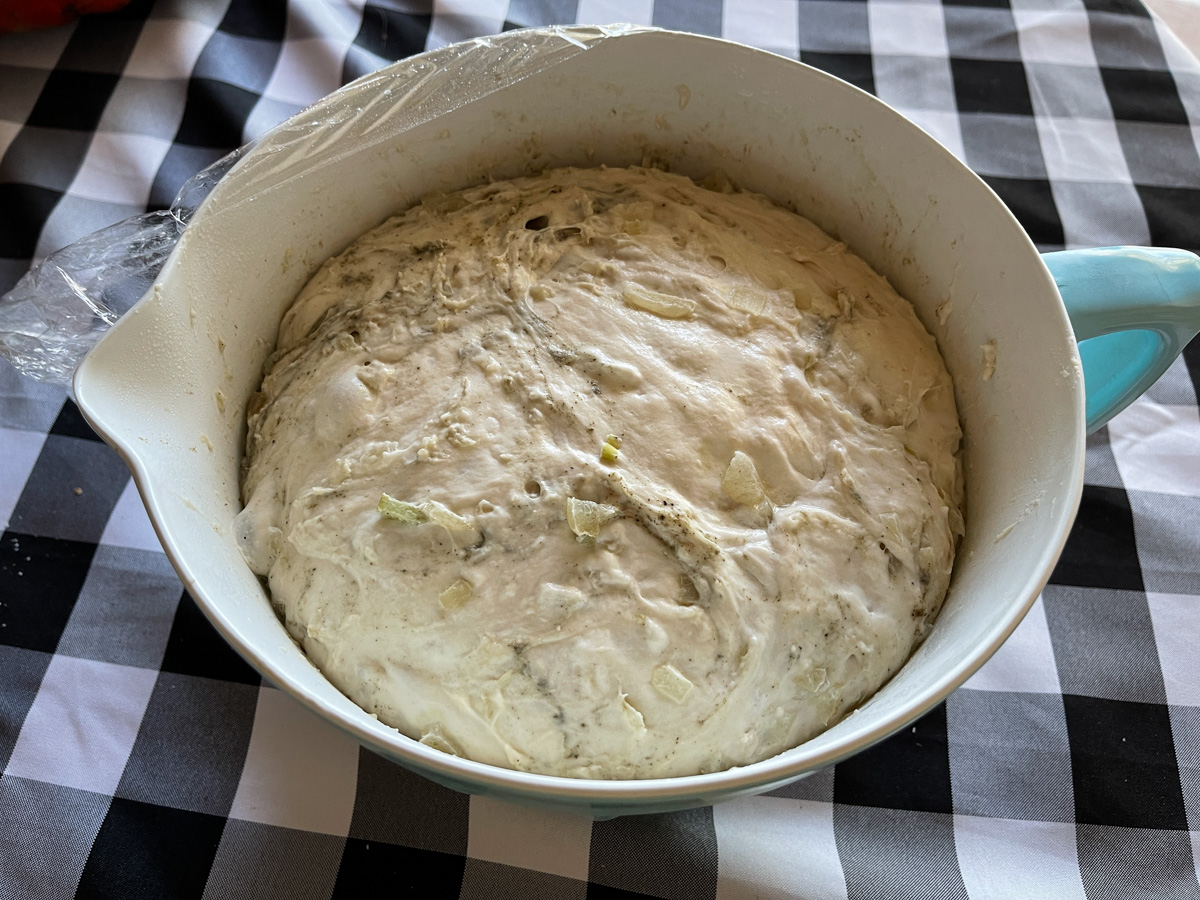
- After 30 minutes, gently knead the vegetables into the dough and knead for about a minute. Add a little flour if the dough feels too sticky, but it should be a little moist. Place the dough back in the bowl and cover with plastic wrap. Let it rise overnight for 8-10 hours (around 70°F) or until the dough has risen in the bowl and looks puffier.
Making and Baking the Bread
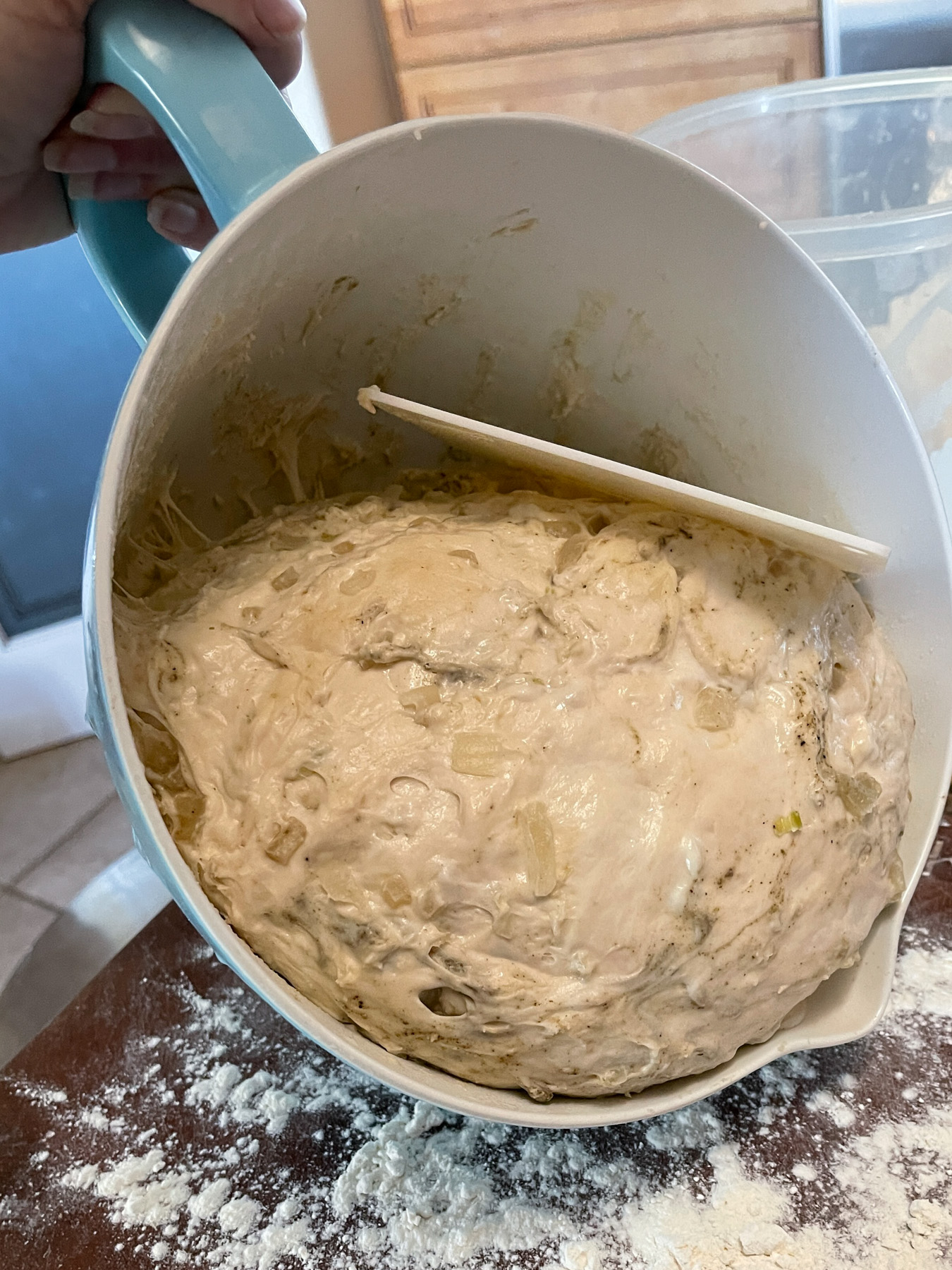
- Using a dough scraper or spatula, gently pull the dough from the bowl onto a lightly floured work surface. Line a 10-inch proofing bowl with a towel and dust generously with flour.

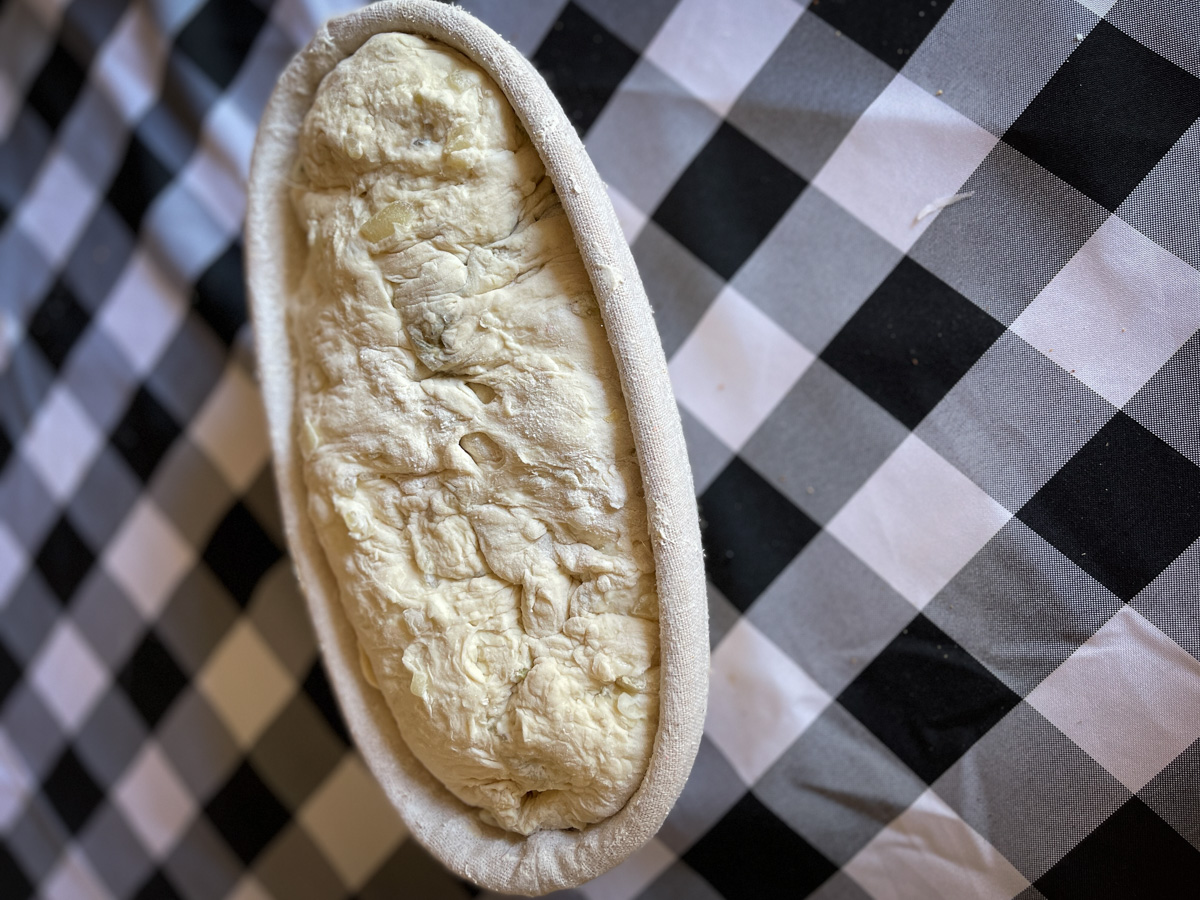
- Place in the proofing basket seam side up. Cover the bowl and let it rest until puffy but not fully risen (about 30 to 60 minutes).
- In the meantime, preheat your oven to 450°F. Cut a piece of parchment paper to fit your pot leaving excess so you can grab the bread and take it out of the pot.

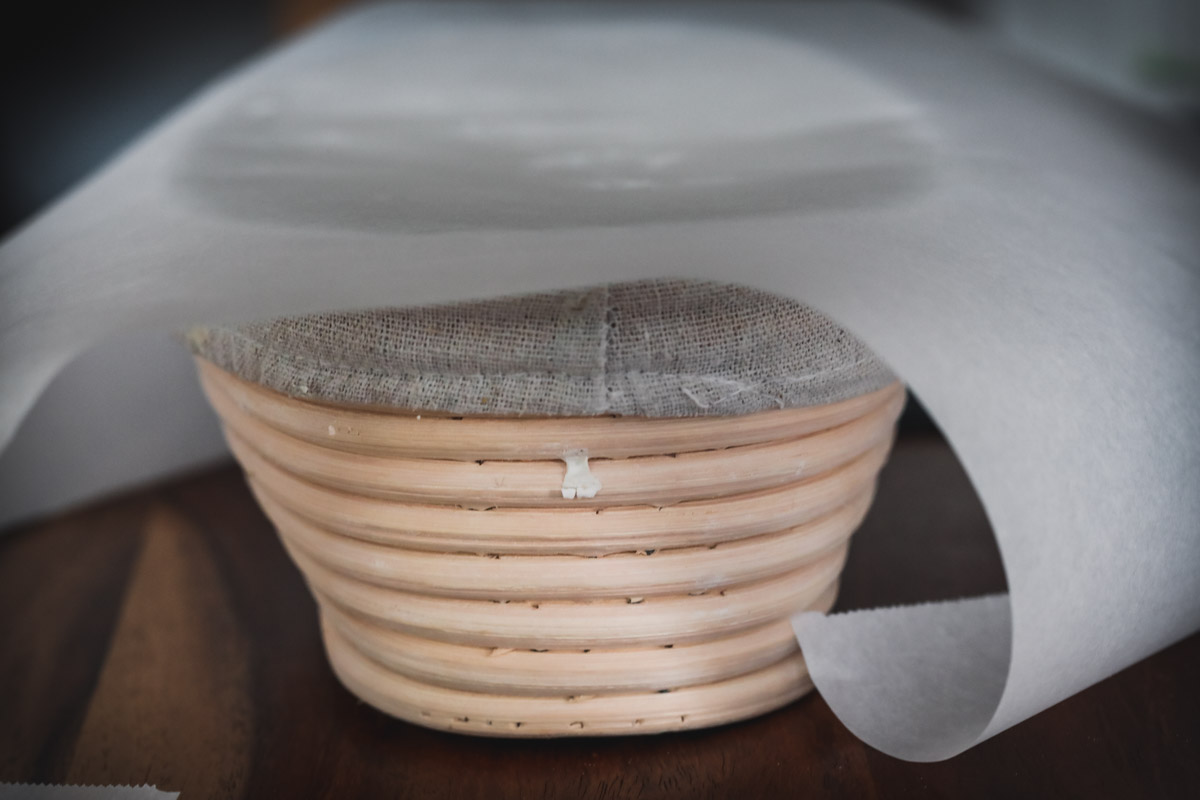
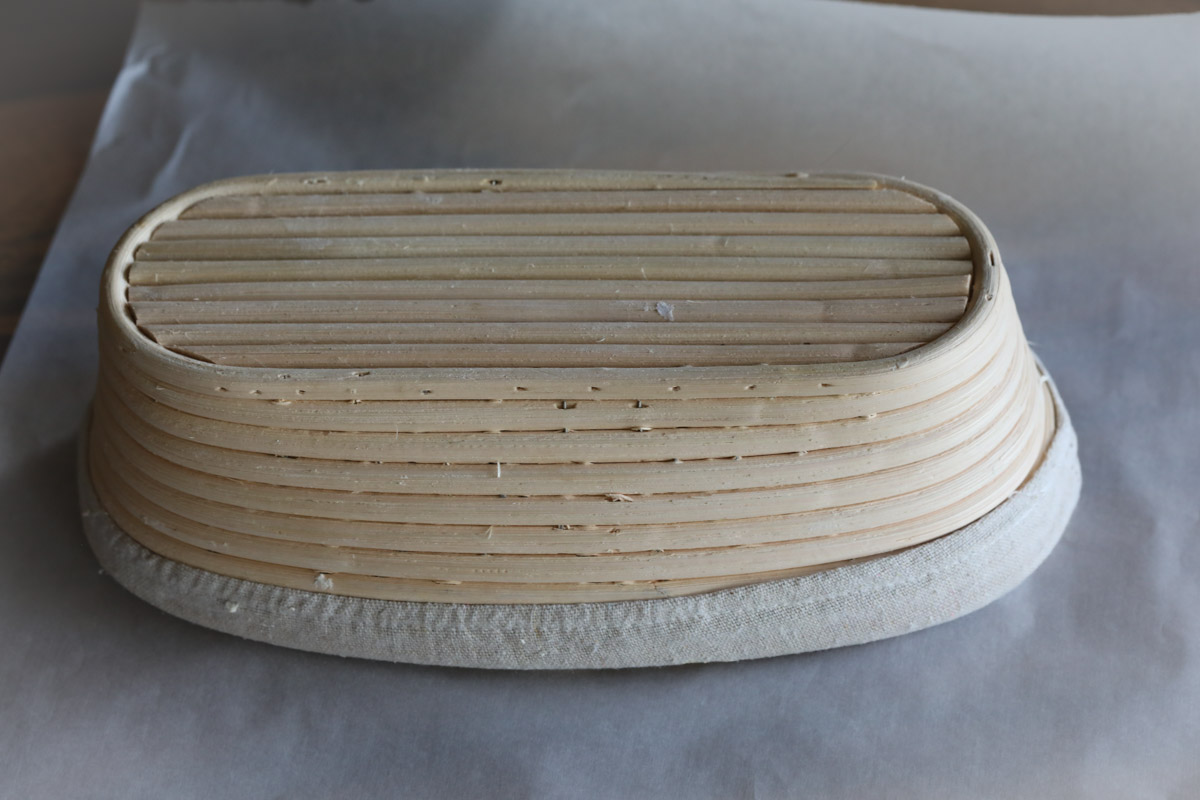
- Place your parchment paper over the bowl and invert the bowl to allow the bread to release onto the paper.
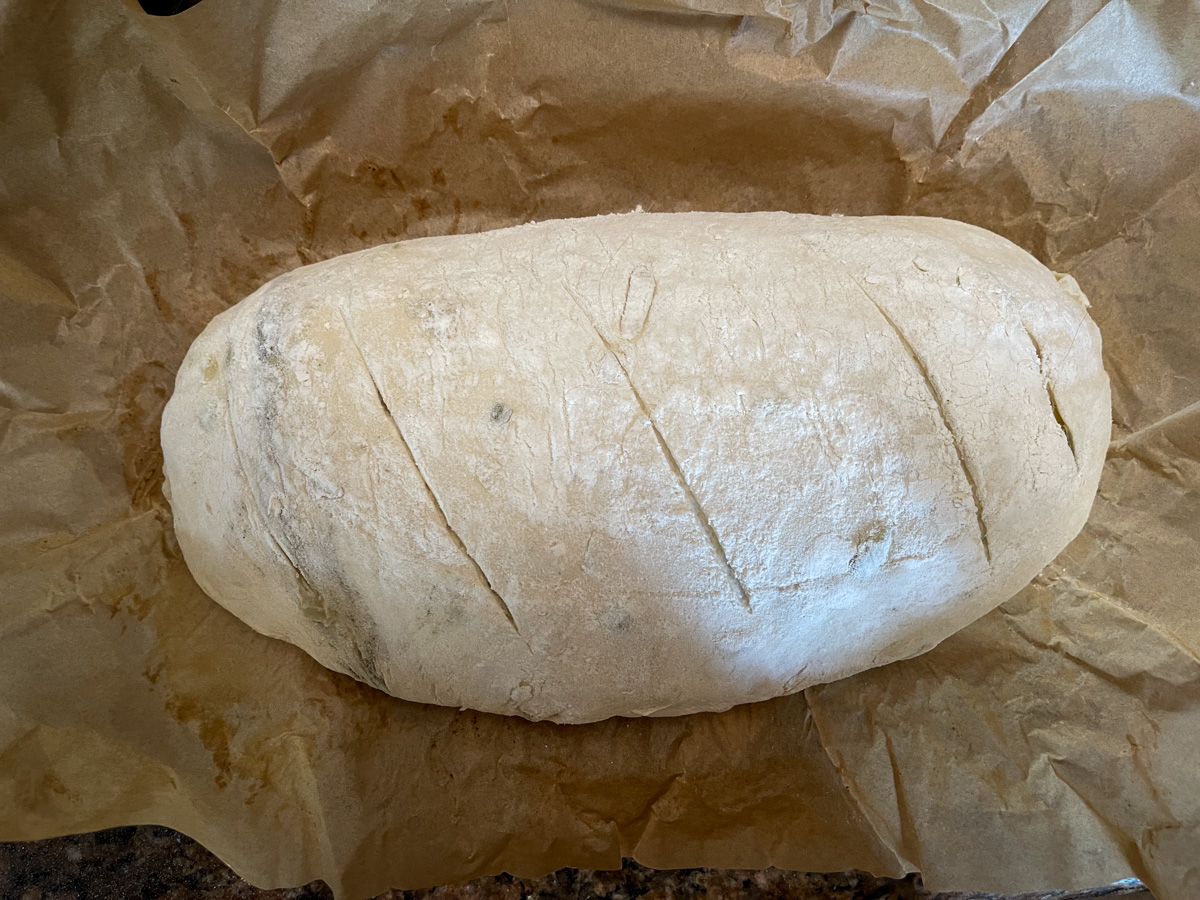
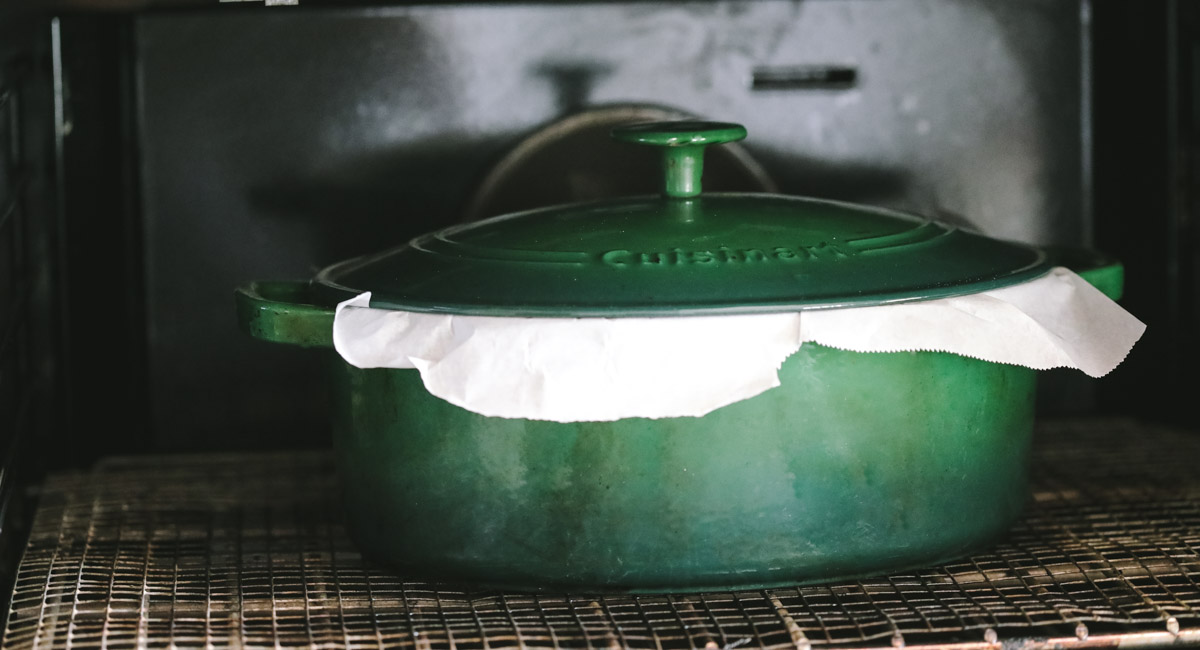
- With a small razor blade or serrated knife, score the bread with four slashes. Pick up the parchment and carefully place your bread in the pot.
- Put the lid on the pot and place it in the oven for 20 minutes. Then remove the lid and continue baking for 30 more minutes. You can test it with a thermometer, and it should read 205-210℉.

- When the bread is done, take it out of the pot and place it on a wire rack to cool for about 20 minutes to an hour.
- Store the loaf in a bag on the counter. This bread freezes beautifully.

Listen To My Podcast
Bring a little cultured goodness to your Thanksgiving table—with less last-minute bustle! In this episode, I’m sharing ideas for sourdough stuffing bread, fermented spiced apples, bubbly kefir soda, and probiotic pumpkin cheesecake. I’ll also share a peek at what’s coming from my kitchen: sourdough stuffing bread rolls and a kefir-and-herb brined turkey with cultured butter. Choose a new favorite, get a few things started ahead, and leave yourself more time to enjoy the people around your table.
References I talked about:
Are you on the list?
Sign up today and I'll send you my free Getting Started Guide!
Each week I'll send you updates, tips, recipes, and more! You might even be a winner of my weekly giveaway! (starter cultures, memberships, and more!)
Come be a part of my cultured food family!