Look for me on:



What I Use at 66 to Feel Young, Strong, and Alive
Staying healthy, Strong, and Happy
I’ve watched what is happening around me as I’ve gotten older.
I see people my age who are doing remarkably well, and I see many people much younger than me who are struggling. It has made me pay attention.
What are the differences?
Why do some people seem to stay vibrant, energetic, curious, and strong while others begin struggling much earlier?
I don’t think there is one single answer. But when I look back over my own life, I can see several things that have made an enormous difference for me and that I believe have helped me stay well.
And number one, without question, is my microbiome.
I feed it. I take care of it. I think about the microbes living inside me every single day. And this might sound strange to some people, but I actually talk to my microbiome—and to the rest of the cells in my body.
I’ve done this for many, many years.
Long before I understood everything I know today about microbes, minerals, fermented foods, light, protein, and all the other things that support the body, I had this deep belief that my body was designed to move toward wellness.
I remember before I found kefir I was searching desperately for answers. I had diabetes and high blood pressure, and every day I would walk around saying to myself:
“I am not supposed to live this way. My body is designed to be well. The answers will come to me. They will come.”
And then something wonderful happened..
It quite literally felt as though it fell into my lap at exactly the moment I needed it. And that discovery changed the direction of my life.
It began a journey that has lasted decades—learning about fermented foods, the microbiome, and the incredible organisms that live inside us.
I began feeding those microbes and taking care of them, and as the years went by I started to understand that wellness isn’t usually one single thing.
- Kefir opened the door.
- Then I began discovering other pieces of the puzzle.
- Minerals.
- Magnesium.
- Nutrient-dense foods like liver and other organs.
- Red and near-infrared light.
- Protein.
- Movement.
- Sunshine.
- Sleep.
And a handful of supplements and practices that have made a noticeable difference in the way I feel.
At 66, I pay attention to these things more than ever. Not because I’m afraid of getting older. It's really quite the opposite.
I want to see how well I can live.
I want to wake up with energy. I want strong muscles and bones. I want a clear mind. I want to keep creating, learning, cooking, walking, exercising, spending time with my family, and being excited about what comes next.
So these are the things I personally use—and some I have used at different times in my life—that have made the biggest difference for me.
Some are foods. Some are supplements. Some are forms of light. Some are simple daily rituals.
But they all have something in common.
They support my body and give it the raw materials and environment it needs to do what it was designed to do.
And for me.... it all started with my microbiome.
1. My Microbiome Comes First
 If there is one thing I would tell people to pay attention to as they get older, it is their microbiome.
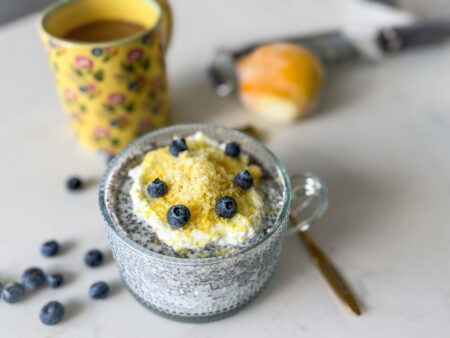
I don’t take probiotics; in fact, before I found cultured foods, I did take them, but it never really changed anything. Instead, I feed my microbes every day.
Cultured foods have been part of my life for decades. Kefir is still my number-one fermented food, but I also love cultured vegetables, kombucha, kefir soda, yogurt, , and other fermented foods.(opens in new tab)
These foods aren't something I occasionally add to my diet. They are part of the way I live.
The microbes in your digestive tract interact with your immune system, help break down parts of your food, produce compounds your body can use, and influence many aspects of your health.
The more I learned about them, the more amazed I became.
I stopped thinking of my body as just “me.”
I started thinking of myself as this incredible community of human cells and microbes all working together.
Maybe that’s why I talk to them.
I’ve spent so many years nurturing them that they feel like part of the family.
And all of this started with that first jar of kefir that somehow found its way into my life when I needed answers the most.
2. Minerals — Something I Wish I Had Understood Sooner
After the microbiome, minerals have become one of the biggest pieces of the puzzle for me. For years, I was focused so heavily on probiotics and fermented foods, and rightly so. They changed my life.
But eventually I began to understand something else:
My cells need minerals.
Every heartbeat, every muscle contraction, every nerve impulse, and so many of the processes that create energy depend upon minerals.
As I got older, I started paying much closer attention to them.
I began using mineral supplements and making sure I was getting minerals from my food and drinks too. This became especially important to me when my husband experienced terrible sciatic pain and began learning more about how much our bodies depend upon minerals. He also found that having kefir every day along with minerals and desiccated liver made his pain stay permanently away.
It changed the way I looked at wellness.
I wrote much more about this in my article Minerals and Cultured Foods: The Foundation of Good Health.
And once again, my cultured foods fit right into the picture.
Fermentation can help break down certain compounds in foods that interfere with mineral absorption, which is another reason I love pairing mineral-rich foods with cultured foods.
I don't think of my microbes and my minerals as two separate things anymore. They work together. The microbes need nourishment, and my cells need nourishment.
You have to feed both.
3. Desiccated Liver and Organ Supplements — A Huge Help for My Iron
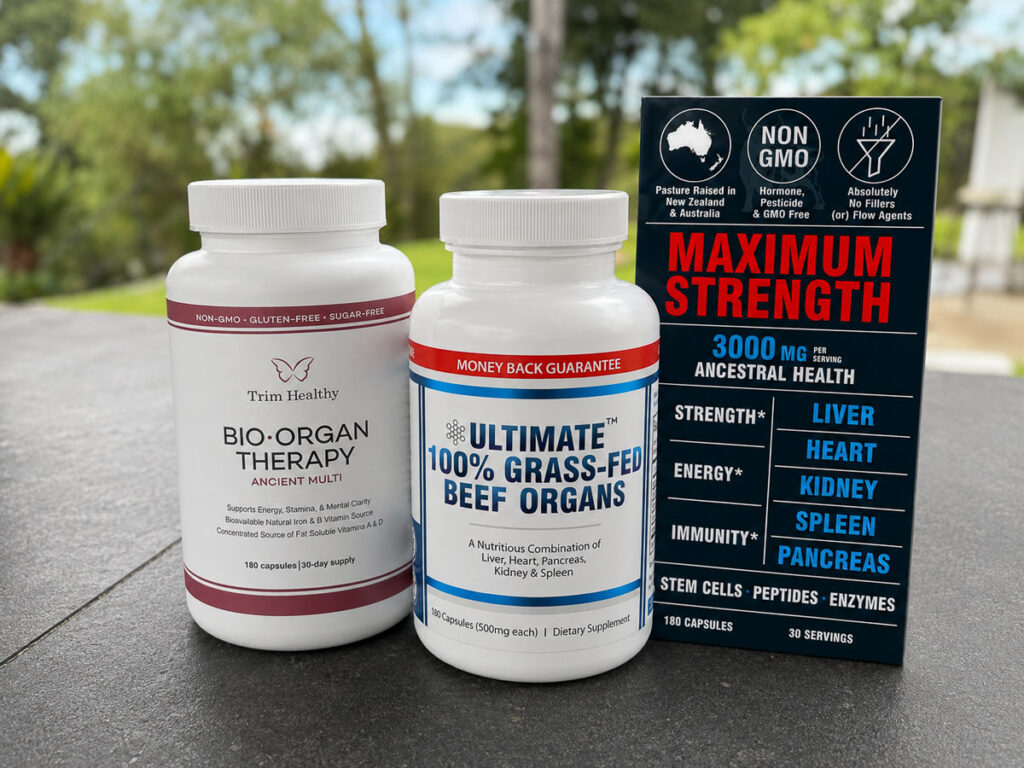
This is something I haven't talked about nearly as much, but it made a very noticeable difference for me.
I took desiccated liver supplements for decades, and then at one point I stopped taking them for several years. I don't even know why I did this but over time, my iron levels became lower.
I also began noticing some of the things that can go along with low iron—my nails and hair became thinner, and my energy wasn't what it had been.
That was a big clue for me.
I started taking desiccated liver and organ supplements again, and in a month and a half, those changes reversed for me. My energy improved, and my hair and nails became stronger again.
That experience really got my attention because it showed me how much these nutrient-dense foods had been supporting me all along.
Liver is one of the most nutrient-dense foods we have. It contains iron, vitamin B12, vitamin A, copper, folate, and many other nutrients.
And the iron in animal foods is heme iron, which our bodies generally absorb more readily than the non-heme iron found in plants.
I don't particularly love eating liver every day, so taking it in desiccated form has been a very practical solution for me. For me, it has been huge for maintaining healthy iron levels. I take both liver and the multi organs every day
It also taught me something important about aging:
Don't automatically assume that thinning hair, weaker nails, or lower energy are simply because you're getting older.
Sometimes your body may be missing something it needs.
Of course, those symptoms can have many causes, so I think iron is something you should test rather than guess about. If your iron or ferritin is low, it is also important to understand why.
But in my own life, stopping desiccated liver and then seeing what happened—and seeing the changes after I added it back—made me realize just how valuable it had been for me.
It is one of those things I don't plan on overlooking again.
4. Red Light Therapy — Giving My Cells Light
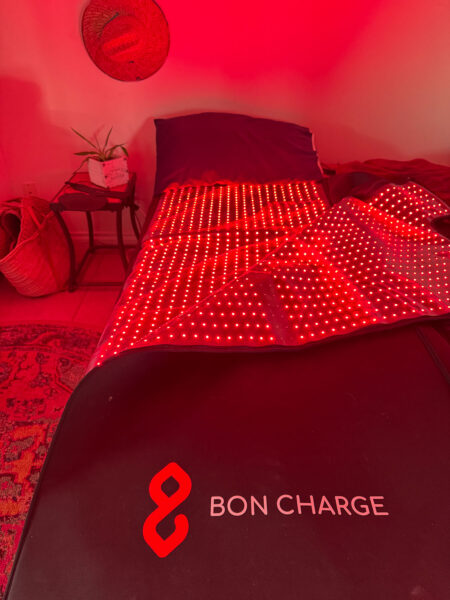
Red light therapy was one of those things that really surprised me.
My husband first gave me red light therapy devices as a Valentine's gift. Several years ago. I started using them out of curiosity, and before long, they became part of my routine.
I loved how I felt. I became fascinated with the idea that certain wavelengths of red and near-infrared light could interact with our cells.
This type of therapy is often called photobiomodulation, and it is being studied for a variety of uses involving skin, inflammation, recovery, tissue healing, and cellular energy. It has made a huge difference for me and i do it almost every day. I feel difference when I don't.
I think what struck me most was something very simple.
We are creatures of light.
For most of human history, people spent enormous amounts of time outside. Today we can wake up, get in a car, go into a building, sit under artificial lighting, drive home, and spend the evening looking at televisions, computers, and phones.
Sometimes we barely see the sun. Red light therapy doesn't replace sunlight for me. I still want morning light. I still want sunshine. I still want to be outside.
But red and near-infrared light have become another tool I use to support my body.
I wrote my whole story in The Light That Changed Everything: My Red Light Therapy Journey.
And it has absolutely earned a place on this list.
5. Magnesium Baths, Crystals, and Oils
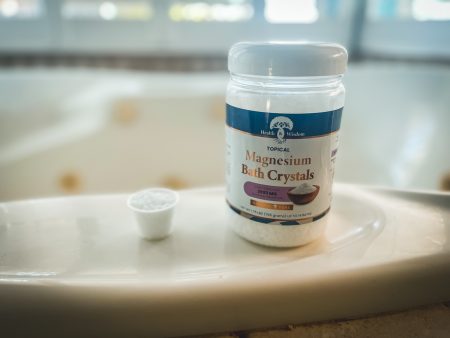 Oh, how I love magnesium. I use magnesium internally, but I also love magnesium bath crystals and magnesium oils.
There is something about soaking in a warm magnesium bath at the end of the day that my body just loves. I do it several times a week.
My muscles relax.
I slow down.
My whole nervous system seems to get the message:
We're done for today. You can rest now.
And I think we underestimate how important those signals are.
We live in a world that constantly tells our nervous systems to go, go, go.
Sometimes wellness means creating an environment where the body finally feels like it can relax.
I also use magnesium to keep my blood pressure low, and I wrote a whole artcile about it. The Mineral That Saved My Life. Yes, I do take minerals too, but for me I need extra magnesium to keep things in check, and taking a bath with magnesium crystals or rubbing on oil is the easiest and best way to get your magnesium. The body only takes in what it needs from the receptor sites in your skin, and it has made a powerful difference for me.
This is one of my favorite rituals. And rituals matter.
6. Protein — Because I Want Muscle When I'm 80
I now understand that maintaining muscle is one of the most important things I can do as I get older. I don't want to simply weigh less.
I want to be strong. I want strong legs. I want to pick things up. I want to walk hills. I want to get down on the floor and get back up. I want to carry groceries. I want to travel. I want to keep doing all of these things when I'm 70, 80, and beyond. That means protecting muscle now.
And naturally, I've found ways to combine protein with my cultured foods.
- Greek yogurt.
- Skyr.
- Kefir.
- Probiotic cottage cheese.
- Kefir cheese.
- Protein smoothies.
- Cultured dips and spreads.
I'm nourishing my muscles while I'm nourishing my microbiome.
That's how I like to eat. I have a whole course on this in my membership site with ebooks of what I eat to help build, gain, and preserve muscles.
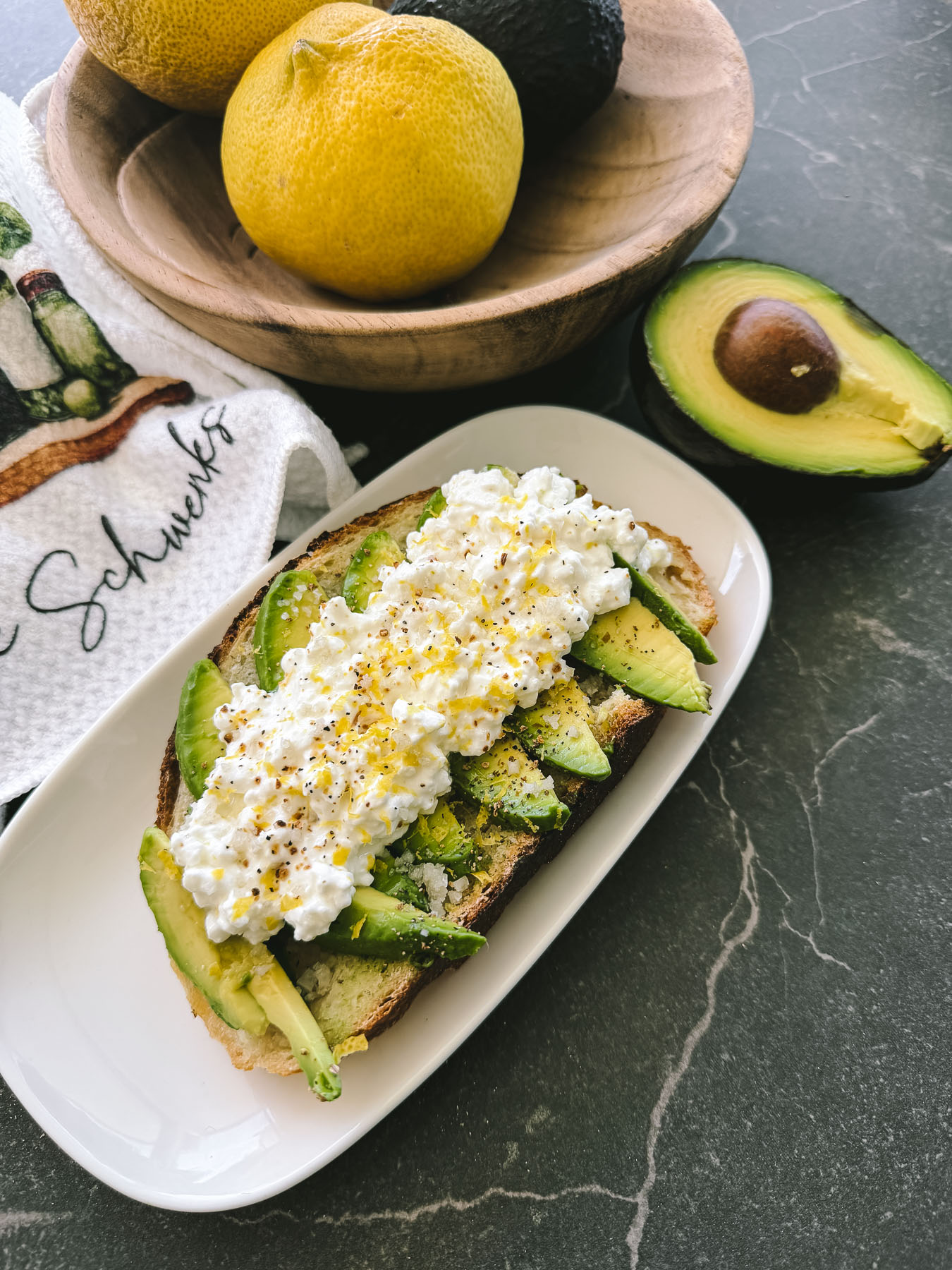
7. Sunshine, Movement, and Getting Outside
Not everything that helps me feel young comes in a bottle or jar.
Some of the most powerful things are free.
- Sunshine.
- Walking.
- Moving my body— exercise
- Being outside.
- Using my muscles.
- Getting natural light into my eyes in the morning.
These are things our bodies have experienced for thousands and thousands of years. I don't want to spend my life sitting inside trying to supplement my way out of a lifestyle that doesn't support health.
Exercise affects the microbiome, too, and your body thrives on it. Supplements have their place. But they can't replace living. The older I get, the more I return to these simple things.

I Don't Think There Is One Magic Thing
After all these years of studying health, this might be one of the biggest things I've learned.
- Everybody wants to find the thing.
- The one probiotic.
- The one supplement.
- The one superfood.
- The one exercise.
- The one therapy.
I don't think that's how the body works.
I think the body responds to an environment.
- You create that environment every day.
- You feed your microbes.
- You supply your cells with minerals.
- You eat enough protein.
- You give your body nutrient-dense foods.
- You expose yourself to natural light.
- You move your muscles.
- You sleep.
- You manage stress.
- You give your body the raw materials it needs.
And then something wonderful happens.
The body gets to do what it knows how to do.
I'm still curious.
At 66, I don't feel finished.
I feel like I'm just beginning to understand how extraordinary the human body really is.
I don't want to fight aging. I want to support my body as I age and see what it can do. I want to see how well I can live.
And as long as I'm here, I'm going to keep feeding my microbes, nourishing my cells, moving my body, getting my light, and listening when my body talks to me.
Because I don't just want more years.
I want to feel alive in every one of them.
Listen To My Podcast
At 66, I’ve learned that feeling young and alive isn’t about fighting aging—it’s about supporting the body.
For me, it starts with my microbiome. Years ago, while dealing with diabetes and high blood pressure, I kept telling myself, “My body is designed to be well. The answers will come.” Then kefir found me and changed everything.
In this episode, I’m sharing the foods, supplements, and daily practices that help me feel strong and vibrant—from cultured foods and minerals to red light therapy, magnesium, organ supplements, protein, and more. 🌿✨
References I talked about:
Are you on the list?
Sign up today and I'll send you my free Getting Started Guide!
Each week I'll send you updates, tips, recipes, and more! You might even be a winner of my weekly giveaway! (starter cultures, memberships, and more!)
Come be a part of my cultured food family!