Look for me on:



The Truth About Detox: How Fermented Vegetables Support Your Body Naturally
Foods that support you
Your Gut Is Part of Your Detox System
I’ve been seeing a lot of things popping up lately about how fermented vegetables can help detox microplastics from the body—even People Magazine had an article about it.
And while this research is really interesting, it’s important to understand what’s actually happening.
Fermented vegetables are rich in beneficial bacteria—especially one called Lactobacillus plantarum. This is a powerful microbe that naturally develops during fermentation and helps balance your gut, crowd out harmful bacteria, and support your gut lining.
But even more important than that is this—
When your gut is healthy, your body is much better at processing and eliminating what it doesn’t need.
And that’s where fermented vegetables really shine. ✨
Inside your gut lives trillions of bacteria.
These microbes:
- Help break down food
- Neutralize harmful compounds
- Support your immune system
- And influence how toxins are processed and eliminated
When your gut is balanced, your body can:
✔ Process waste efficiently
✔ Eliminate toxins properly
✔ Reduce inflammation
When it’s not… everything slows down.
What Detox Really Means
Detox isn’t something you “do” for a few days.
It’s something your body is doing every single minute.
- Your liver performs over 500 functions, including detoxification
- Your kidneys filter around 50 gallons of blood daily and produce about 1–2 quarts of urine
- Your body is constantly breaking down and removing:
- Metabolic waste
- Hormones
- Environmental toxins
But here’s the part most people don’t realize:
👉 Your gut is deeply connected to all of it.
If your gut isn’t working well… your detox pathways don’t work well either.
How Fermented Vegetables Help
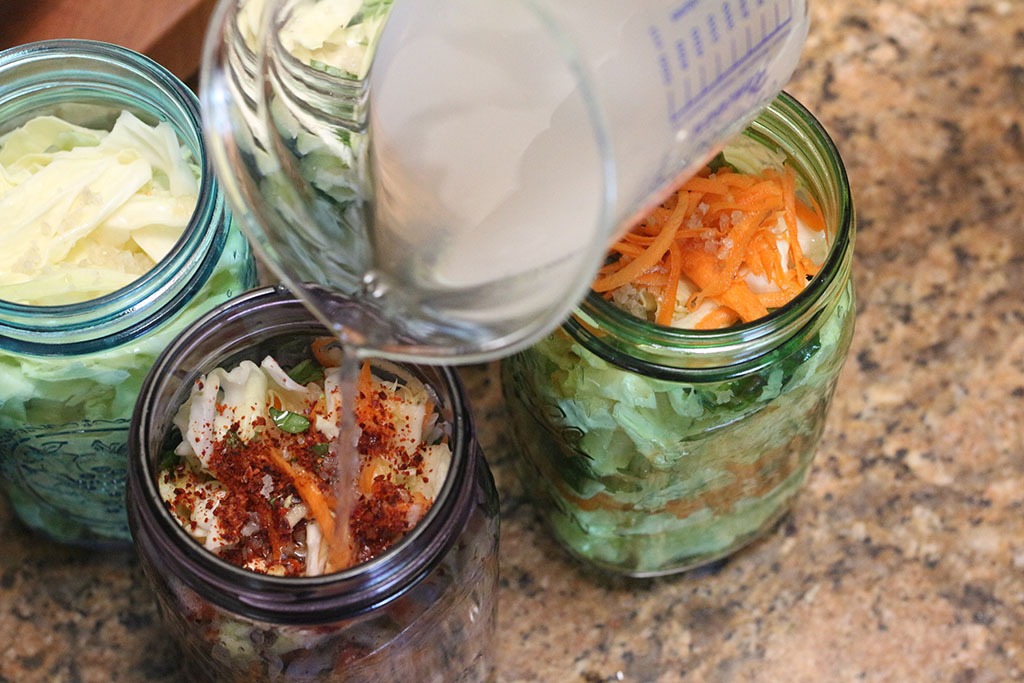 Fermented vegetables don’t detox your body directly. They do something even more powerful: 👉 They support the system that does.
A Note About L. plantarum and Consistency
One thing that’s important to understand is that beneficial bacteria like Lactobacillus plantarum don’t usually live in the gut permanently—they pass through.
But while they’re there, they do incredible work.
That’s why consuming fermented foods regularly makes such a difference.
We’ve also seen something interesting over the years.
When using our Cutting Edge Starter Culture—rich in beneficial bacteria like L. plantarum—we’ve observed that regular use helps support a healthy balance of these microbes.
This doesn’t mean they permanently colonize the gut, but it does suggest that regular intake can help maintain a more supportive environment for these beneficial microbes.
1. They restore beneficial bacteria
Fermented vegetables are rich in beneficial bacteria—especially one called Lactobacillus plantarum.
This bacterium naturally develops during fermentation and plays a powerful role in your gut.
It helps:
- Balance your microbiome
- Crowd out harmful bacteria
- Create an environment where good bacteria can thrive
And when that happens… your whole system works better.
2. They help reduce toxin-producing bacteria
Certain harmful bacteria in the gut can produce compounds that burden your body.
L. plantarum and other beneficial microbes help:
- Lower harmful bacteria
- Shift the balance in your gut
Less harmful bacteria = less internal toxin load.
3. They strengthen your gut lining
Your gut lining acts like a barrier. I wrote a whole artcile about fermented kraut can strengthen your gut lining.
Read it here: Sauerkraut and Your Gut Barrier – Nature’s Fermented Defense
When it’s strong, it helps keep unwanted substances from entering your bloodstream.
Beneficial bacteria like L. plantarum help:
- Support the integrity of that lining
- Nourish the cells of your gut
- Reduce irritation
This is one of the most important ways your body protects itself.
4. They improve digestion and elimination
One of the most overlooked parts of detox is this:
👉 You have to eliminate waste efficiently.
If food is sitting too long in your system… That creates more problems.
Fermented vegetables help:
- Improve digestion
- Support regular bowel movements
- Help your body move waste out
And that’s a key part of detox.
5. They create beneficial compounds during fermentation
Fermentation transforms vegetables into something more powerful.
They produce:
- Organic acids
- Enzymes
- Postbiotics
These compounds:
- Feed your gut
- Support beneficial bacteria
- Help your body function more efficiently
The Big Misunderstanding: Pickled vs Fermented
Not all pickles are the same.
🥒 Vinegar pickles are not fermented.
They don’t contain the live bacteria your gut needs.
Real fermented vegetables are made with:
- Salt
- Time
- Natural fermentation
That’s what allows beneficial bacteria like L. plantarum to grow.
What I’ve Seen Over the Years
I’ve watched thousands of people add fermented vegetables to their daily routine.
And here’s what happens:
- Bloating improves
- Digestion gets better
- Energy increases
- People feel lighter and more balanced
Not because they did a cleanse…
But because their body finally had what it needed to function properly.
How to Start
Start simple:
- 1–2 tablespoons a day
- With a meal
- It can be the juice or the veggies
That’s enough to begin making a difference.
A Better Way to Think About Detox
Instead of asking:
“How do I detox my body?”
Ask: 👉 “How do I support the systems that already detox my body?”
Research-Backed Benefits of Fermented Vegetables
The Power Within You
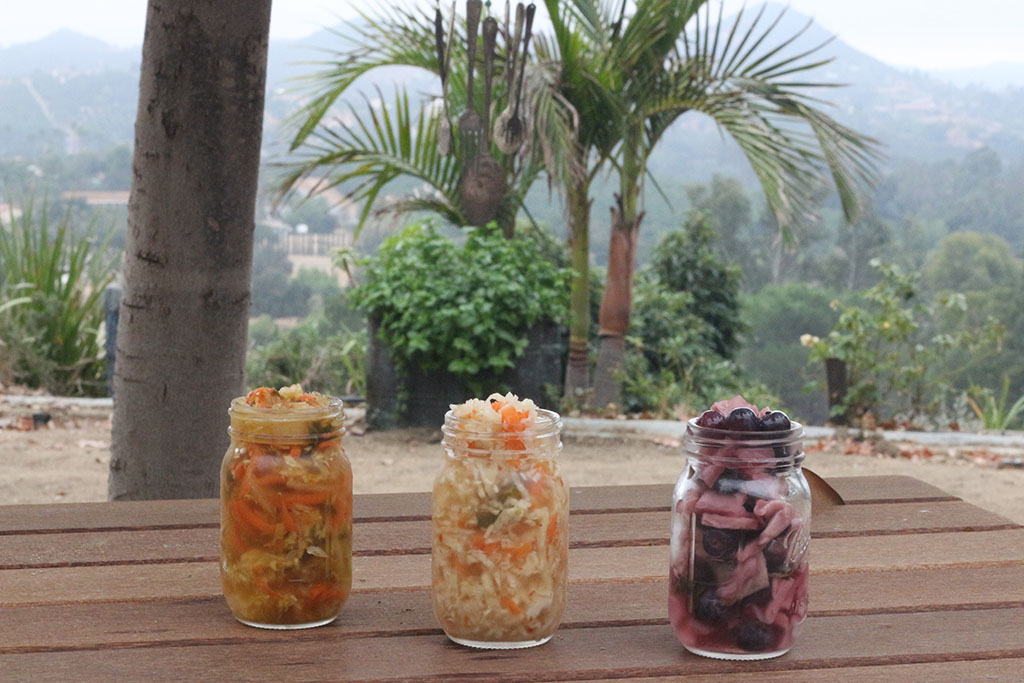 I want us to get back to discovering all the wonderful things we already have inside of us—and in the foods we eat—that support us from the inside out.
This is how we were designed.
Your body is incredible. It’s working for you all day long—filtering, balancing, and detoxing—without you ever even thinking about it.
How can you not love that?
I’m here to remind you of these things—things you may not have been aware of.
Because once you begin to see the beauty of how your body works, you’ll want to support it more.
And when you do… you’ll start to see it transform your life.
That’s what I live for 💗—helping you wake up and realize the support was there all along, hidden inside you, just waiting to be discovered.
Much love to you, my friends.
Eat your fermented vegetables… 🥒🥕🥬 🫙
The healing you’re searching for isn’t outside of you—it’s already within you, waiting to be supported, nourished, and discovered.
Check out My video!
Get the recipe
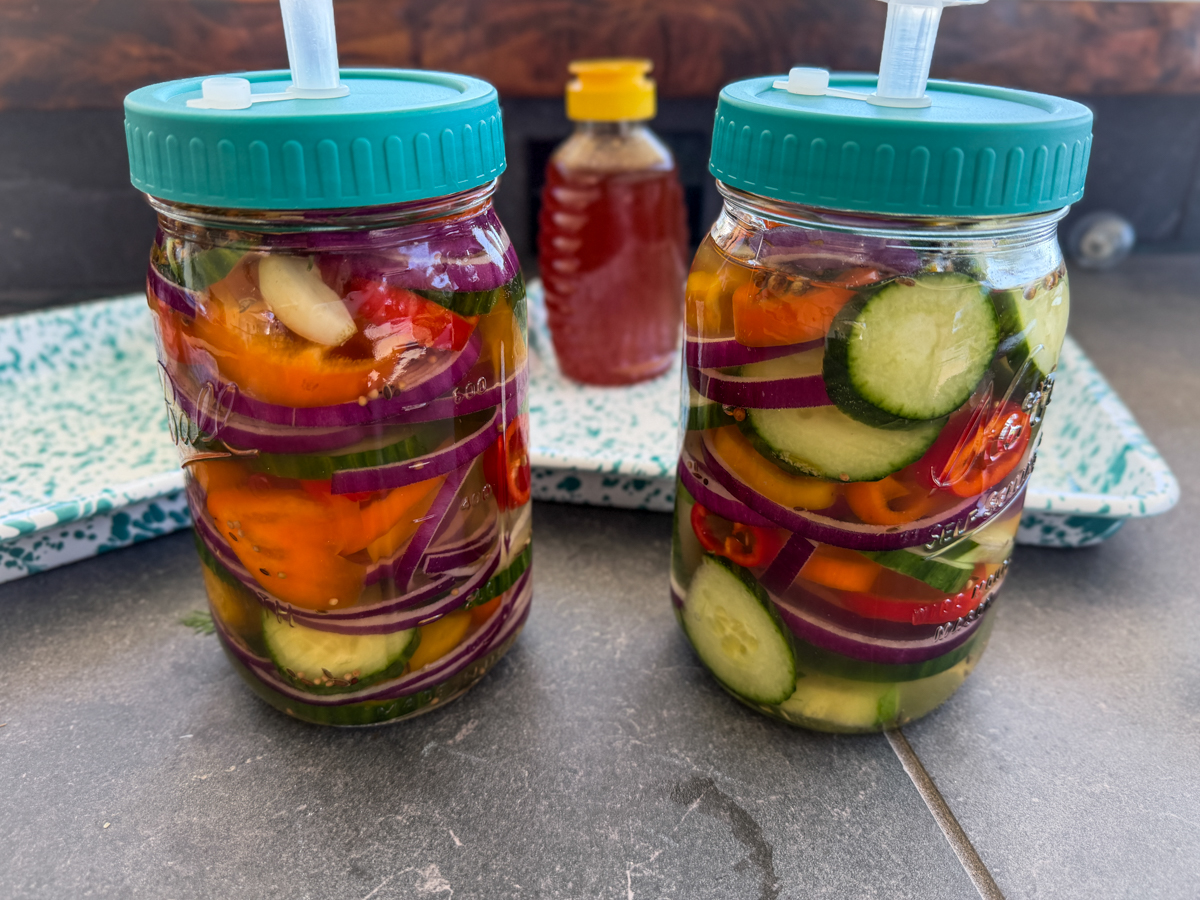
Sweet & Tangy Rainbow Fermented Pickles

Watch The Video
Equipment
Ingredients
- 1 packet Veggie Starter Culture - or ½ cup kefir whey
- 1 cup Water, spring or filtered with minerals - to mix starter culture
- 1 large cucumber
- 1 large red onion - optional see note*
- 1½ cups red, orange and yellow bell peppers - I like the baby ones
- 2 cloves garlic - peeled and chopped
- 2 teaspoon whole dill seed - tannins for crispness
- 2 teaspoons whole coriander seed
- 1 teaspoon mustard Seeds
- 2 springs dill weed
- 2-3 tablespoons honey
- 1 tablespoon Celtic Sea Salt
- filtered or spring water with minerals
Every ingredient with a link was selected by me to make it easier for you. I may receive a small affiliate commission if you buy something through my links. Thank you! ❤️
Instructions
- If using the starter culture, stir together the culture and water. Let the mixture sit while you prepare the ingredients—around 10 minutes. If using kefir whey, add it when the recipe calls for culture.
- Slice the cucumbers, onion, and bell peppers into small rings.
- Divide the cucumbers, onions, and peppers evenly between your two-quart jars.
- Now divide the remaining ingredients evenly between both jars:1 clove of garlic per jar1 teaspoon dill seed per jar1 teaspoon coriander seed per jar1 sprig of dill weed per jar½ teaspoon mustard seed per jar1 to 1½ tablespoons honey per jar½ tablespoon salt per jar
- Add the prepared culture mixture in step 1 (or kefir whey) evenly to each jar (about ½ cup per quart jar). Then fill with filtered water, leaving 1–2 inches of space at the top to allow for fermentation.
- Seal the containers and let them sit on your kitchen counter, out of direct sunlight, for three days. After three days, place the container in the refrigerator.
- Check the vegetables every day to make sure they are fully submerged in the water. If they have risen above the water, simply push them down so they are fully covered by the water. If any white spots formed because the veggies rose above the water, do not worry. Remember, this isn’t harmful. Just scoop out the vegetables that have the white spots on them and push the rest back under the water.
Notes

Listen To My Podcast
Your body was designed to support you.
It’s working for you all day long—filtering, balancing, and detoxing—without you ever even thinking about it. But if your gut isn’t working well, those systems don’t work as well either.
In this episode, I’m sharing why your gut is such an important part of your detox system and how simple foods—like fermented vegetables—can make a powerful difference.
Sometimes it’s not about doing more…It’s about supporting what’s already there.
References I talked about:
References:
- https://pubmed.ncbi.nlm.nih.gov/27773791/
- https://pubmed.ncbi.nlm.nih.gov/24912386/
- https://pubmed.ncbi.nlm.nih.gov/37014051/
- https://pubmed.ncbi.nlm.nih.gov/32244866/
- https://pubmed.ncbi.nlm.nih.gov/31089718/
- https://pubmed.ncbi.nlm.nih.gov/23915293/
- https://pubmed.ncbi.nlm.nih.gov/29984552/
- https://pubmed.ncbi.nlm.nih.gov/26748703/
Are you on the list?
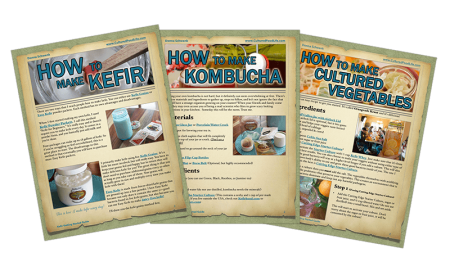
Sign up today and I'll send you my free Getting Started Guide!
Each week I'll send you updates, tips, recipes, and more! You might even be a winner of my weekly giveaway! (starter cultures, memberships, and more!)
Come be a part of my cultured food family!