Look for me on:



7 Foods That Naturally Support GLP-1 (Without Drugs)
Foods that support you
Your body is your partner, not your problem. ✨
Under everything I teach—kefir, yogurt, cultured foods, fermentation, microbes, even GLP-1—there’s a deeper theme:
The body is not broken. It’s trying to communicate.
When we begin to support it with
nourishing foods,
beneficial microbes,
gentle movement,
peace of mind,
and trust in its design…
Something beautiful starts to happen.
The body begins to rebalance.
Many years ago, when I first learned to ferment food, something shifted inside me.
I stopped feeling like a victim of my body.
And I started feeling like a participant in my own health.
I began to see that:
Microbes respond to care.
Food transforms with time.
The body changes when it’s nourished.
And with that… something powerful was restored.
A partnership with your body.
And that partnership itself can change physiology... and everything.
I’m not here to make you feel afraid if you don’t do everything perfectly. Fear has never been a good teacher.
You won’t see me using it to motivate.
Instead, I share what excites me—what I’ve experienced, what I’ve seen transform my own life and the lives of so many others—hoping it can help you too.
Because life is already hard enough.
We need encouragement.
We need support.
And we need hope. 💛
Lately, so many people are turning to GLP-1 medications for weight loss and blood sugar control.
But here’s something many people don’t realize:
Your body already makes GLP-1.
This powerful hormone is released from specialized cells in your intestine whenever certain foods reach your gut. It helps regulate appetite, balance blood sugar, and influence metabolism.
When I discovered that my beloved fermented foods could support this natural process… I got really excited.
So I started experimenting.
And what I found was incredible.
In my last article and video, I shared how your body’s natural GLP-1 system works.
But what’s even more exciting is this:
Certain foods can help stimulate this system naturally.
And after 24 years of eating these foods, studying them, and watching what they do in the body, I’ve found something that really matters:
👉 Protein combined with fermented foods is where the magic happens.
Some fermented foods work better than others.
But when you pair the right ones with enough protein, something shifts.
Blood sugar stabilizes.
Hunger signals change.
And your body begins to respond differently.
Here’s what’s really happening behind the scenes:
Certain foods interact with your gut in a way that helps stimulate the natural signals that tell your body when you’ve had enough to eat—and how to manage blood sugar after a meal.
This happens through a fascinating connection between your digestive system, your gut microbes, and specialized cells in your intestine called L-cells.
When the right foods reach these cells, they trigger the release of GLP-1 and other hormones that influence fullness and metabolism.
These foods work through multiple powerful pathways:
Some provide protein that forms bioactive peptides during digestion and fermentation.
Others feed your microbiome, helping it produce short-chain fatty acids (SCFAs)—tiny compounds that act like messengers, communicating with the cells lining your gut.
Together, these signals help regulate appetite, improve blood sugar response, and support metabolic balance.
Let’s take a closer look at seven foods that naturally support GLP-1—and why they can make such a powerful difference in your body.
Foods that naturally support GLP-1 include:
Fermented Dairy
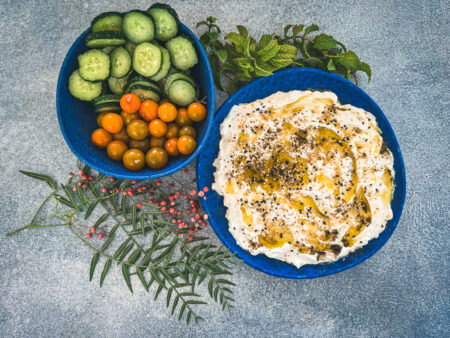 This is one of the most powerful food groups for supporting GLP-1 naturally.
When milk is fermented with beneficial microbes, something amazing happens. The microbes begin to break down milk proteins such as casein and whey into smaller compounds called bioactive peptides.
These peptides can influence your gut in several important ways:
• They interact with receptors in the intestinal lining
• Some may help stimulate GLP-1 release
• Others may slow the enzyme that breaks GLP-1 down
But fermented dairy doesn’t stop there.
Kefir is especially powerful.
With its diverse community of bacteria and beneficial yeasts, kefir works in a unique way to support blood sugar balance and gut health. It also produces a wide range of bioactive peptides during fermentation. It’s one of the reasons I’ve been drinking it every day for over 24 years. It truly is a food that acts like medicine in the body.
Yogurt and kefir both support GLP-1—but I’ve found something important:
When fermented dairy is combined with higher protein, the effect becomes even more powerful.
This is why straining yogurt (like Greek or Skyr) can make such a difference.
Straining increases protein density, and that combination of fermentation + concentrated protein has a profound effect on the gut.
Kefir works beautifully even when it’s not strained, but pairing it with higher-protein foods can really amplify results.
One of my favorite ways to do this is with fermented cottage cheese made from kefir or yogurt.
It’s incredibly rich in protein and still delivers the benefits of fermentation—making it one of the most powerful fermented dairy options.
When it comes to yogurt that is strained:
Skyr tends to be the highest in protein
Greek yogurt is close behind
And then there’s Yogurt Plus, which has something unique—
Bifidobacterium longum—a strain that works alongside the microbiome to support the production of short-chain fatty acids, which help signal GLP-1.
People often ask me which one is best.
And honestly, I go back and forth.
But here’s what I’ve found works incredibly well:
👉 Have kefir at least once a day (no need to strain it) combined with more protein.
👉 Then include a higher-protein fermented dairy like yogurt or cottage cheese in your day
This combination can make a noticeable difference in both blood sugar and satiety. It’s simple—but very powerful.
Protein-Dense Foods
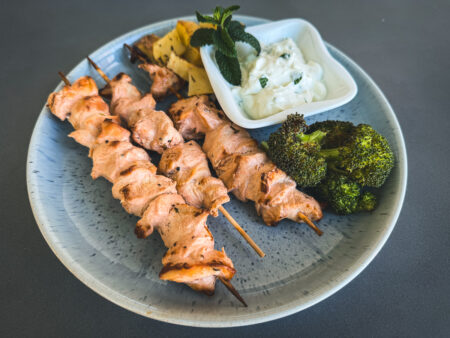 Protein is one of the strongest natural triggers for GLP-1 release.
Certain amino acids stimulate the L-cells in the intestine, which are responsible for producing GLP-1. This is why protein-rich meals tend to feel more satisfying and stabilizing for blood sugar.
Foods that are particularly helpful include:
• eggs
• fish
• chicken
• beef
• yogurt
• probiotic cottage cheese
• kefir
• whey protein
One thing I discovered in my own life was that protein density really matters.
Meals that contain 30–35 grams of protein often create a much stronger satiety signal than meals with only 10–15 grams.
And when that protein is combined with fermentation…
That’s when things get even more interesting. ✨
Fiber-Rich Vegetables
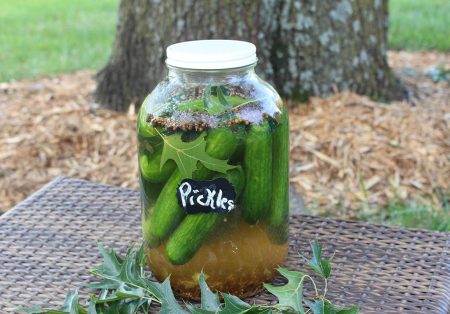 Fiber is one of the most important nutrients for your gut microbes.
Resistant Starch Foods
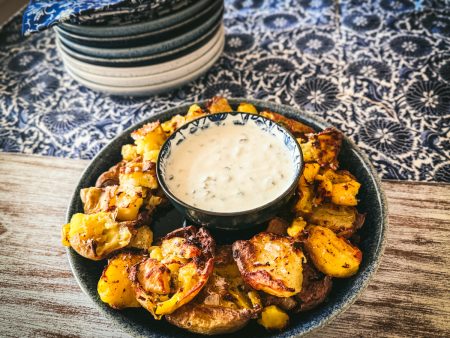 Resistant starch is a special type of carbohydrate that resists digestion in the small intestine.
Instead of being absorbed quickly, it travels to the colon where microbes ferment it.
This fermentation produces large amounts of short-chain fatty acids, especially butyrate.
Butyrate is particularly important because it helps:
• fuel the cells lining the colon
• strengthen the gut barrier
• support hormone signaling
Resistant starch foods include:
• cooked and cooled potatoes
• green bananas
• plantains
• beans and lentils
• cooked and cooled rice
These foods can be powerful tools for feeding beneficial microbes that help regulate metabolic hormones.
Prebiotic Foods (Inulin & Fructooligosaccharides)
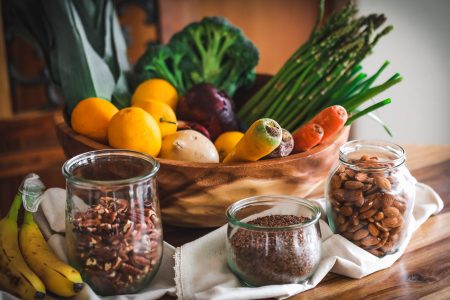 Prebiotic foods contain fibers that specifically feed beneficial bacteria.
Two important prebiotics are:
• inulin
• fructooligosaccharides (FOS)
These compounds are found in foods like:
• onions
• garlic
• leeks
• asparagus
• chicory root
• jicama
When microbes ferment these fibers, they produce SCFAs that communicate with the gut lining and influence hormone release.
This is why feeding your microbes can have such a powerful effect on metabolism.
Polyphenol-Rich Foods (Matcha, Berries, Cocoa)
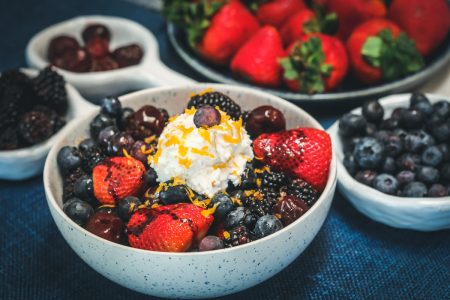 Polyphenols are plant compounds that interact with the microbiome.
Many of these compounds:
• nourish beneficial microbes
• help regulate inflammation
• influence metabolic signaling
Foods rich in polyphenols include:
• matcha
• green tea
• berries
• cocoa
• olives
These compounds appear to influence how microbes function in the gut — and that can indirectly affect hormone signaling pathways like GLP-1.
Check out: Why You Should Eat Berries Every Day — 50+ Recipes
Colostrum and Gut Healing Support
 One of the things we really want is a strong, well-functioning gut lining.
I like to think of it as a protective barrier—one that allows nutrients to pass through, but keeps things out that don’t belong.
When that lining becomes weakened or irritated, it can affect how your body responds to food, inflammation, and even how your hormones signal—like GLP-1.
Colostrum doesn’t directly stimulate GLP-1, but it supports the gut environment where GLP-1 signaling happens.
Colostrum is rich in compounds like:
• immunoglobulins
• growth factors
• bioactive peptides
These can help support the lining of the gut and the body’s natural repair processes. When your gut lining is healthy and functioning well, your body is better able to:
• respond to food signals
• regulate blood sugar
• communicate with hormones like GLP-1
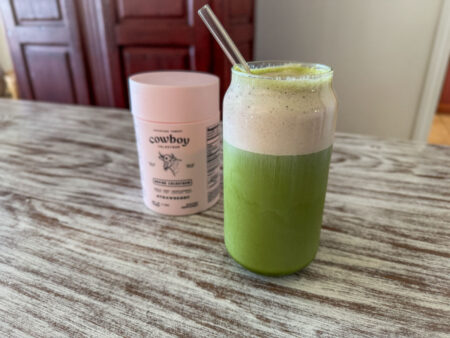
I love adding Colostrum to my Matcha every morning with a little almond milk. It is one of my favorite rituals.
One thing I’ve been really enjoying lately is using a protein powder that combines colostrum, collagen, and whey protein. It tastes so good! I have it in kefir smoothies, mixed into yogurts and cottage cheese, and even in my matcha in the mornings.
👉 You can find the one I’ve been using here: Click here
Check out My video!
Are you on the list?
Sign up today and I'll send you my free Getting Started Guide!
Each week I'll send you updates, tips, recipes, and more! You might even be a winner of my weekly giveaway! (starter cultures, memberships, and more!)
Come be a part of my cultured food family!