
Look for me on:



Why Women Over 40 Should Know About L. Gasseri
Foods that support you

Microbes and Your Changing Body
When I turned 40, I did not suddenly become old—and neither did my microbes. But the 40s can be the beginning of an important transition in a woman’s body. Hormones may start shifting during perimenopause, sometimes years before menopause arrives, and those changes can influence far more than periods or hot flashes. They can also affect the microbial communities living in the digestive, vaginal, and urinary systems.
I think women over 40 should know about Lactobacillus gasseri, or L. gasseri. This special Lactobacillus species naturally lives within several areas of a woman’s body. It has been found in the digestive tract and is also one of the species that can be part of a healthy vaginal microbiome.[1,2]
I first became interested in L. gasseri because of its ability to live in the upper gastrointestinal tract and produce compounds that help it compete with other microbes. The more I learned, the more I realized that this organism has a particularly interesting story for women—especially during the decades when our hormones, metabolism, sleep, and microbial ecosystems may all begin changing.
Your Microbiome Changes Along With You
We often talk about the gut microbiome as though it were one permanent collection of microbes. It is not. Our microbiome changes throughout life in response to food, stress, illness, medications, hormones, environment, and age. [3]
The vaginal microbiome is especially responsive to hormones. Estrogen helps support glycogen in vaginal tissues. Certain Lactobacillus species can use the products made from that glycogen and produce lactic acid, which helps maintain the naturally acidic environment associated with vaginal health.
As estrogen fluctuates during perimenopause and declines after menopause, vaginal pH can rise, and Lactobacillus populations may decrease. This doesn't happen the same way in every woman, and it doesn't mean turning 40 automatically causes a microbial problem. It simply means the 40s are a wise time to pay closer attention to the microbes that help protect and support us.
The more I learned, the more I realized that this organism has a particularly interesting story for women—especially during the decades when our hormones and microbial ecosystems may begin changing.
What Makes L. Gasseri So Interesting?

L. gasseri is not just a microbe associated with the lower body. It can also survive in the gastrointestinal tract, including areas higher in the digestive system where many probiotic organisms do not remain for long.
Certain strains of L. gasseri can produce bacteriocins. These are special substances made by beneficial bacteria that help them compete with neighboring organisms. I like to think of bacteriocins as part of the microbiome’s own balancing system. Instead of trying to wipe out everything, beneficial organisms help shape their environment by keeping other microbes in check.
These characteristics are why researchers have become so interested in L. gasseri and how it interacts with the digestive system. Research is still developing, and L. gasseri yogurt should not be described as a proven treatment for SIBO, bacterial vaginosis, urinary infections, or any other medical condition. I see cultured foods as a way to nourish and support a healthier microbial ecosystem.
L. Gasseri as a Cultured Food

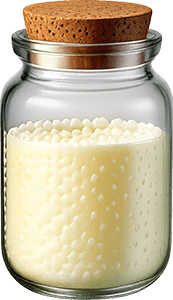
I love cultured foods because they deliver beneficial microbes in a living food. When I make L. gasseri cultured dairy, I am not simply swallowing a capsule. I am enjoying a nourishing food containing protein, calcium, and the beneficial products created during fermentation.
Technically, this is a cultured dairy rather than a regular yogurt because L. gasseri requires a different temperature and a longer fermentation time. I still call it L. gasseri yogurt because that is the easiest way to describe how it looks and tastes.
Why Our L. Gasseri Culture Is Special
Not every strain of L. gasseri is exactly the same. The strain used in our starter was carefully selected and tested for two important qualities: its ability to produce bacteriocins and its ability to bind to cells.
Bacteriocins are substances that beneficial bacteria produce to help keep competing microbes in check. Cell binding shows that the bacteria can attach to cells and interact with their environment.
The manufacturer keeps the exact strain private, but it was carefully selected and tested for these characteristics.
Is L. Gasseri Right for You?

L. gasseri may be worth making if you are interested in:
- Adding a special cultured food that supports a healthier microbial ecosystem
- Supporting your beneficial microbes through your 40s and beyond
- Adding an important Lactobacillus species associated with women’s microbial health
- Consuming beneficial bacteria that help compete with other microbes and maintain balance
- Adding L. gasseri yogurt to your cultured-food routine
You do not need to make every cultured food all at once. If you are new, I usually recommend starting with a small amount of the cultured food that best matches your needs and is well tolerated by your body.
Remember that your response matters more than a list of promised benefits. Your body is always communicating with you. Start slowly, notice how you feel, and adjust from there.
A New Chapter for Women—and Their Microbes
I don’t believe our 40s are the beginning of decline. I think they can mark the beginning of a deeper understanding of our bodies. We start paying closer attention to our strength, our hormones, our nourishment, and the extraordinary microbial partners that have been with us all along.
The goal is not to fear aging or search for one perfect probiotic. The goal is to build a diverse and resilient inner ecosystem that supports us through every season of life. For me, L. gasseri yogurt is another delicious cultured food that can be part of that journey.
Getting Started
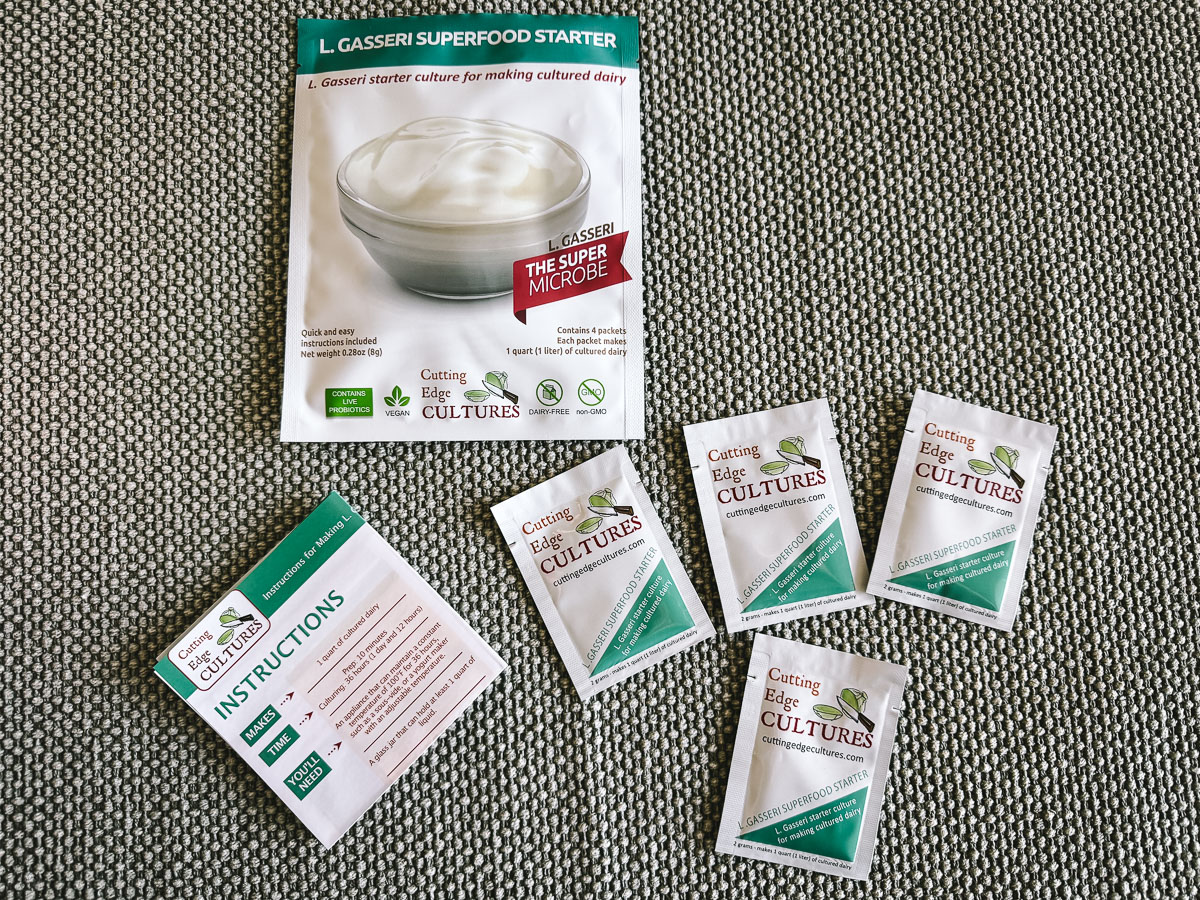
L. Gasseri Superfood Starter

L. Gasseri Superfood Yogurt
Check out My video!
Listen To My Podcast
As women move through their 40s and beyond, changes in hormones can also affect the microbial communities in the digestive, vaginal, and urinary systems. In this episode, we’ll explore why L. gasseri is an important beneficial bacterium, what makes it unique, and how L. gasseri yogurt can become part of a cultured-food routine that supports a healthy microbial ecosystem.
References:
- Holdcroft AM, et al. The Vaginal Microbiome in Health and Disease—What Role Do Common Intimate Hygiene Practices Play? Microorganisms. 2023.
https://pmc.ncbi.nlm.nih.gov/articles/PMC9959050/ - Park MG, et al. Menopausal Changes in the Microbiome—A Review Focused on the Genitourinary Microbiome. Diagnostics. 2023.
https://pmc.ncbi.nlm.nih.gov/articles/PMC10047399/ - Zeng Q, et al. Associations of vaginal microbiota with the onset, severity, and type of genitourinary syndrome of menopause in Chinese women. Frontiers in Cellular and Infection Microbiology. 2024.
https://pubmed.ncbi.nlm.nih.gov/39380726/
Are you on the list?
Sign up today and I'll send you my free Getting Started Guide!
Each week I'll send you updates, tips, recipes, and more! You might even be a winner of my weekly giveaway! (starter cultures, memberships, and more!)
Come be a part of my cultured food family!