Look for me on:



When is The Best Time To Eat Fermented Foods?
cultured foods for your life
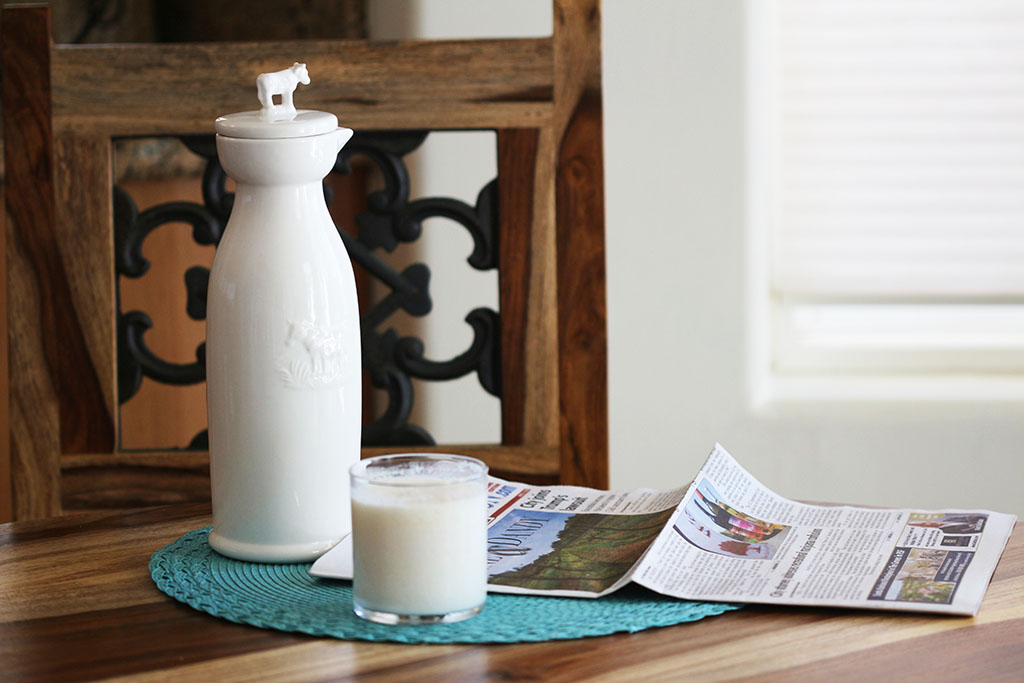
Before modern digestion problems and strict food rules, fermented foods were eaten daily—often without much thought about timing. People simply ate them with meals, before meals, after meals, or whenever they were available.
But modern bodies are different.
Stress levels are higher. Digestion is weaker. Blood sugar is less stable. And many people are introducing fermented foods after decades without them.
That’s why when you eat fermented foods can make a noticeable difference, especially if you’re over 40 or just getting started.
Let’s talk about the best times to eat fermented foods, when to be cautious, and how to listen to your body so these living foods work for you, not against you.
Why Kefir or Yogurt in the Morning Is a Great Place to Start
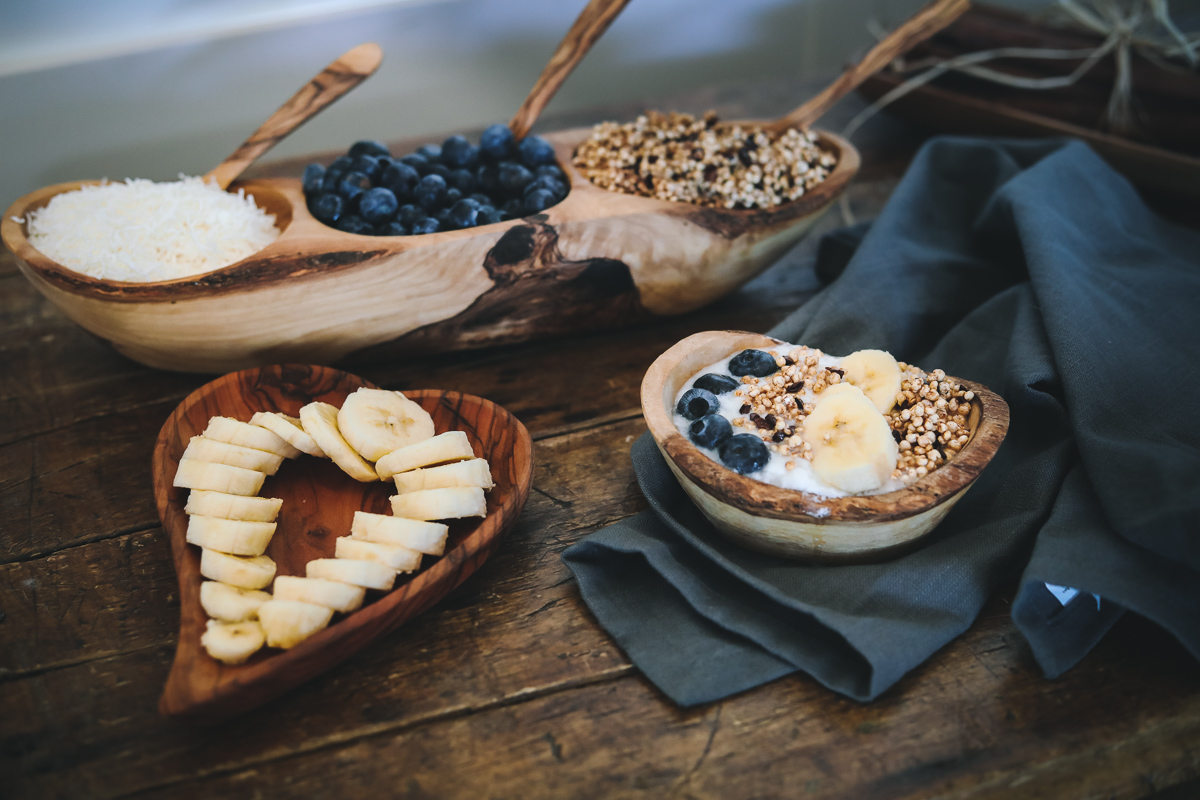
For many people, morning is the easiest and most natural time to begin adding fermented foods—especially kefir or yogurt.
After a night of rest, your digestive system is ready to receive nourishment. A small serving of kefir or yogurt in the morning can gently wake up digestion, support beneficial bacteria, and help set the tone for the day ahead.
Kefir and yogurt are especially helpful in the morning because they are:
-
Easy to digest
-
Naturally soothing to the gut
-
Rich in beneficial microbes that support digestion
Unlike heavier or more acidic fermented foods, kefir and yogurt tend to feel calming rather than overwhelming.
Many people notice that having kefir or yogurt in the morning helps to:
-
Support steadier blood sugar
-
Reduce mid-morning cravings
-
Promote better digestion throughout the day
-
Create a consistent daily rhythm with fermented foods
For women especially, starting the day with a fermented food can feel grounding. It provides protein, beneficial bacteria, and gentle nourishment without spiking blood sugar or overloading digestion.
If you’re new to fermented foods, start small—a few ounces of kefir or a small bowl of yogurt—and increase gradually as your digestion adapts.
Before Meals (Helpful for Blood Sugar & Appetite)
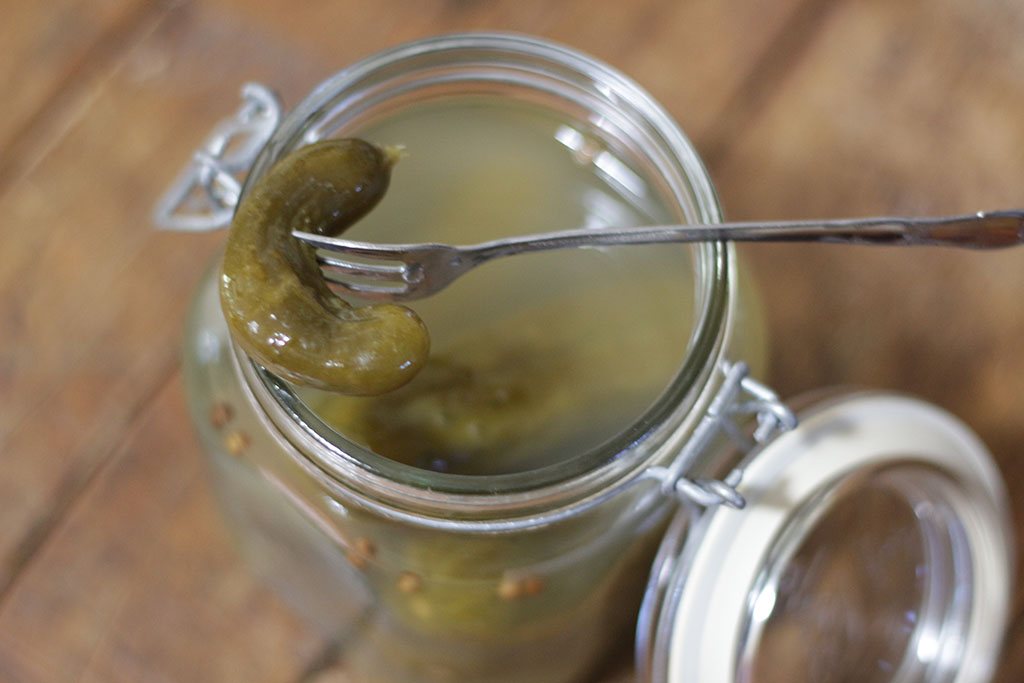
Eating fermented foods 10–20 minutes before a meal can be very helpful for:
-
steadier blood sugar
-
a calmer appetite
-
fewer cravings
This is something I do often. While I’m making lunch or dinner, I’ll have a pickle or a spoonful of cultured vegetables. It takes the edge off hunger and helps my body settle before the meal, so I don’t arrive at the table overly hungry or tempted to overeat.
Why does this help? Fermented foods gently wake up digestion and help the body respond more smoothly to the meal that follows, supporting steadier blood sugar and a more balanced appetite.
This approach can be especially helpful if:
-
You struggle with cravings
-
You feel shaky or overly hungry between meals
-
You’re working on metabolic or blood sugar health
A small amount is all that’s needed here—just a few bites or a few ounces, not a full serving.
With Meals (A Gentle Option)
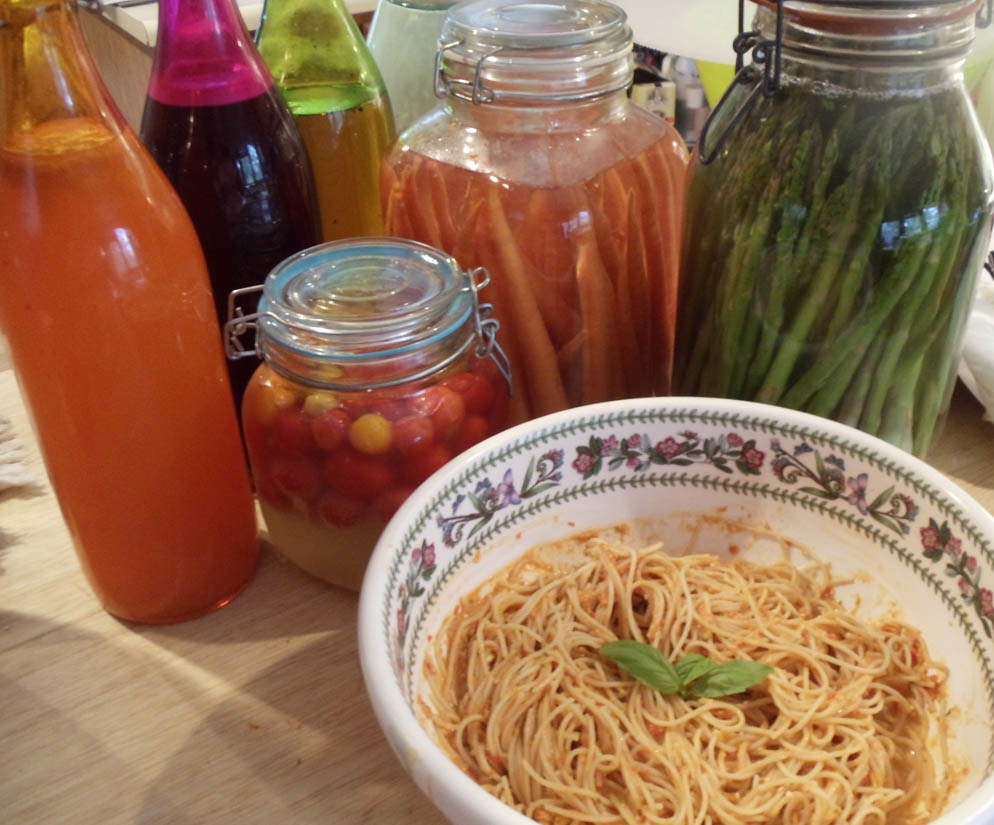 For most people—especially beginners—the best time to eat fermented foods is with a meal.
Why this works:
-
Food buffers stomach acid, making fermented foods easily assimilated.
-
Slower digestion reduces bloating or discomfort
-
Fermented foods help break down the meal and improve nutrient absorption
Examples:
-
Kefir with breakfast
-
Yogurt alongside a meal
-
Cultured vegetables with lunch or dinner
If someone tells you fermented foods “upset their stomach,” this is usually the first adjustment I suggest.
This is What I do
- A little kefir each day.
- Yogurt often, not just once in a while.
- A spoonful of cultured vegetables with meals.
- Kefir soda or kombucha sipped between meals, when it sounds good.
- And a few bites of pickles or sauerkraut while I’m cooking dinner—a small, familiar taste that seems to quiet my appetite and settle me before we sit down to eat.
Nothing forced. Nothing measured. Just small, living foods, eaten regularly.
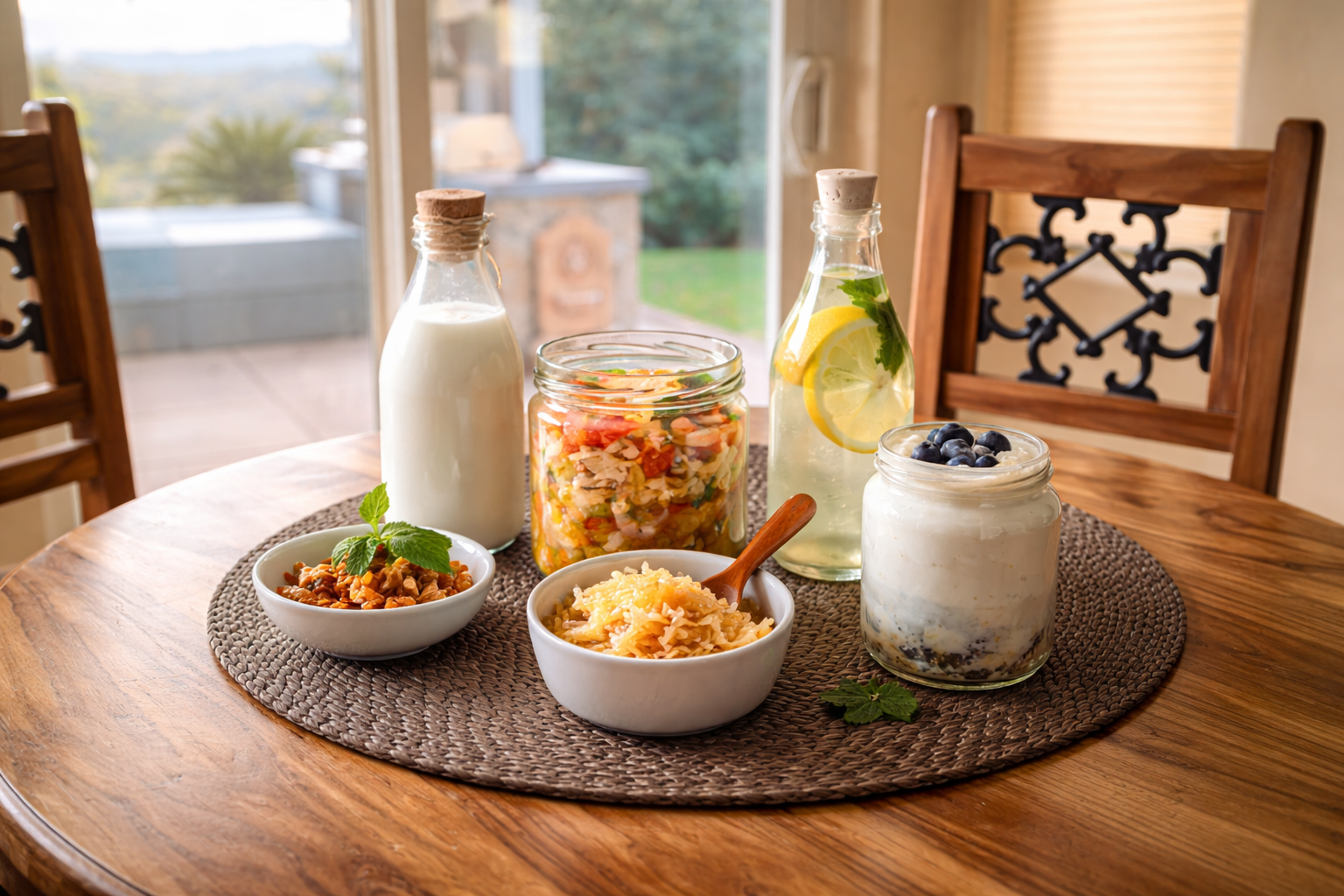
Listen To My Podcast
When Is the Best Time to Eat Fermented Foods?
Fermented foods were once eaten naturally—at meals, between meals, whenever they were ready. But modern digestion is different, and WHEN you eat fermented foods can matter.
In this episode, I share the best times to enjoy fermented foods and why timing can support digestion, blood sugar, and appetite—especially if you’re over 40 or just getting started. Tune in to learn more.
References I talked about:
Are you on the list?
Sign up today and I'll send you my free Getting Started Guide!
Each week I'll send you updates, tips, recipes, and more! You might even be a winner of my weekly giveaway! (starter cultures, memberships, and more!)
Come be a part of my cultured food family!