Look for me on:



The Fermented Food Secret Behind GLP-1
Kefir and Yogurt with a Secret

What is GLP-1
Everyone is talking about GLP-1 right now.
Most of the conversation centers around medications and injections. But what many people don’t realize is this:
Your body already makes GLP-1 naturally. And once again, your microbes play a huge part.
GLP-1 stands for Glucagon-Like Peptide-1, but you don’t need to remember the long name. Just remember this:
GLP-1 is your body’s “I’m satisfied” signal.
It’s a hormone released in your gut after you eat. It helps regulate:
• Blood sugar
• Insulin
• Appetite
• Satiety
• Gastric emptying
When GLP-1 is working well, you feel stable. Nourished. Less driven by cravings.
And your gut and those trillions of microbes that call you home play a huge role in that process.
Everyone makes GLP-1 when they eat. But the gut microbiome, fermented foods, protein density, and fiber can all influence how strong that signal becomes and how long it lasts.
Over time, our natural GLP-1 signaling can become weaker. Changes in the gut microbiome, highly processed foods, chronic stress, not eating enough protein, weight gain, and poor digestion can all affect the gut cells that release GLP-1 — the hormone that signals fullness, helps regulate blood sugar, and supports metabolism.
And when those signals become quiet, the body can feel constantly hungry — even when we’ve eaten plenty.
The Two Natural Ways to Stimulate GLP-1
1️⃣ Protein concentration
2️⃣ Fermentation signaling
The sweet spot is when you combine both.
1️⃣ Protein Concentration
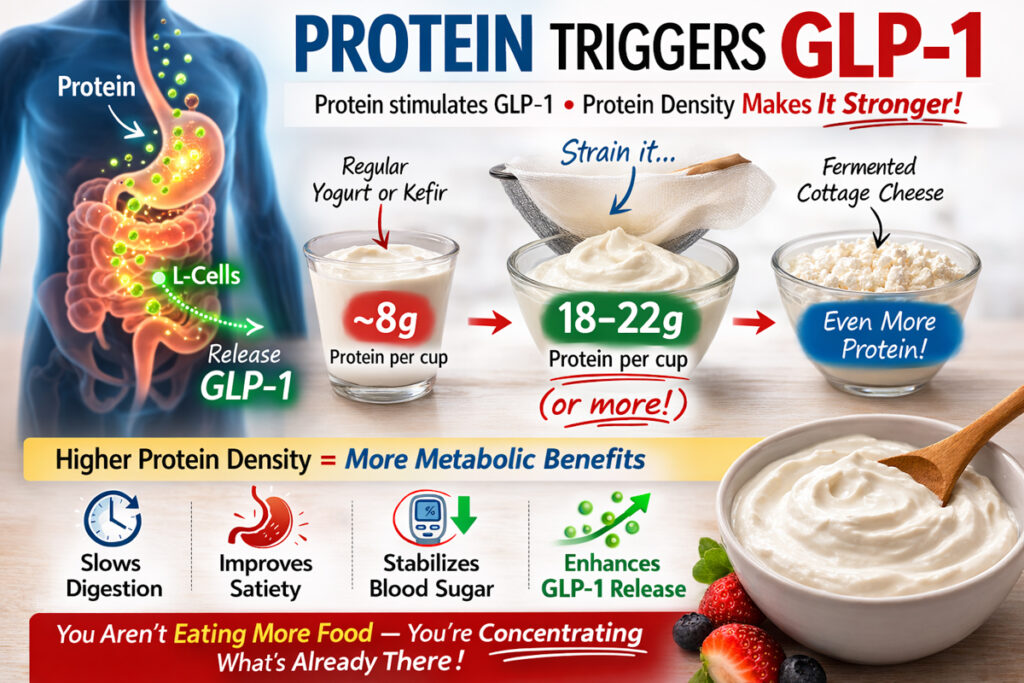 Protein itself stimulates GLP-1. When you eat protein, your intestinal L-cells release this hormone in response. [1,2]
But protein density matters — fermented dairy makes it shine. [3]
Regular yogurt and kefir may contain around 8 grams of protein per cup.
When you strain yogurt — removing the whey — the protein becomes concentrated. Now you may have 18 to 22 grams per cup, sometimes more, depending on how thick you strain it. Fermented cottage cheese has even more protein per cup. Each strain of yogurt or kefir has its own protein content, some higher than others.
That higher protein density:
• Slows digestion
• Improves satiety
• Stabilizes blood sugar
• Enhances GLP-1 release
This is why strained yogurt, Greek yogurt, Skyr, and fermented cottage cheese can feel so much more satisfying than regular yogurt.
You aren’t eating more food. You’re concentrating on what’s already there.
2️⃣ Fermentation Signaling
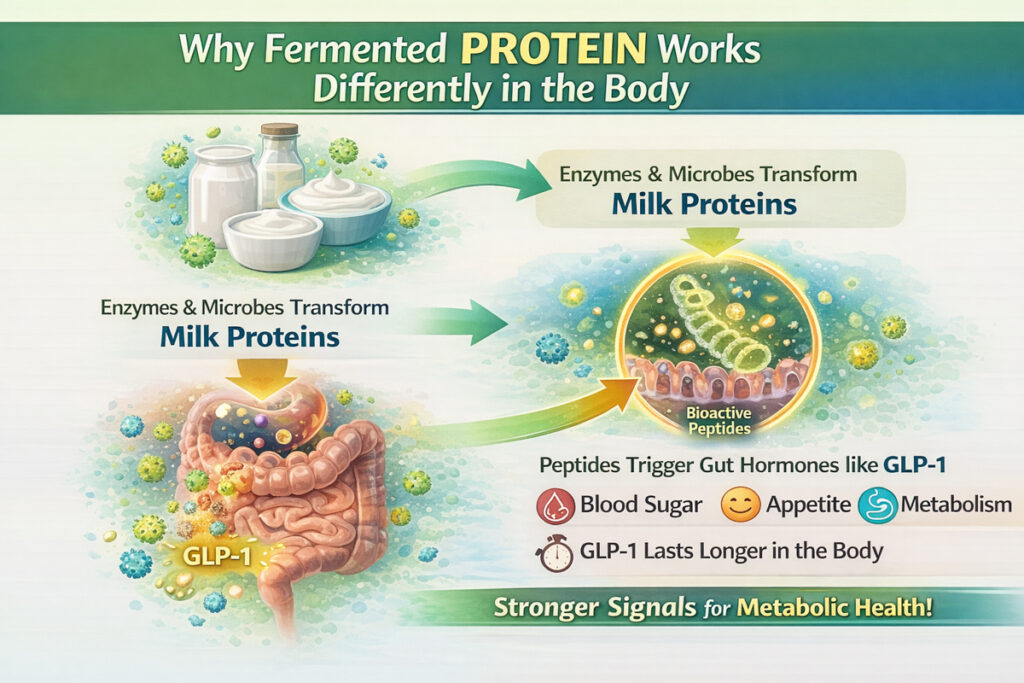
When milk is fermented into yogurt, kefir, or skyr, something remarkable begins to happen. The microbes go to work. They start breaking down the milk proteins into smaller compounds called bioactive peptides.
These tiny compounds are not just nutrients — they actually communicate with the body.
Research shows that peptides produced when proteins are digested can stimulate gut hormones like GLP-1. Some peptides may also inhibit the enzyme DPP-IV, which normally breaks down GLP-1, allowing the hormone to remain active longer in the body.[4]
When you combine fermentation with protein-dense foods like strained yogurt, skyr, or kefir cheese, something even more interesting happens. You’re not just eating protein anymore.
You’re eating concentrated protein, beneficial microbes, and pre-digested peptides — all working together in the gut.
And the gut is one of the body’s most important metabolic control centers.
It’s not just nutrition.
It’s communication.
Those peptides interact with cells lining the intestine — the very place where nutrients are sensed, and gut hormones like GLP-1 are released.[5]
Fermentation also creates other compounds, including short-chain fatty acids and microbial metabolites, which influence signals inside the intestine.
Inside your gut are specialized cells called L-cells. These cells release GLP-1 when they are stimulated. [6]
And what’s fascinating is that they don’t respond only to protein.
They respond to what fermentation has done to that protein. 🦠🥛
What These Peptides Do in the Body
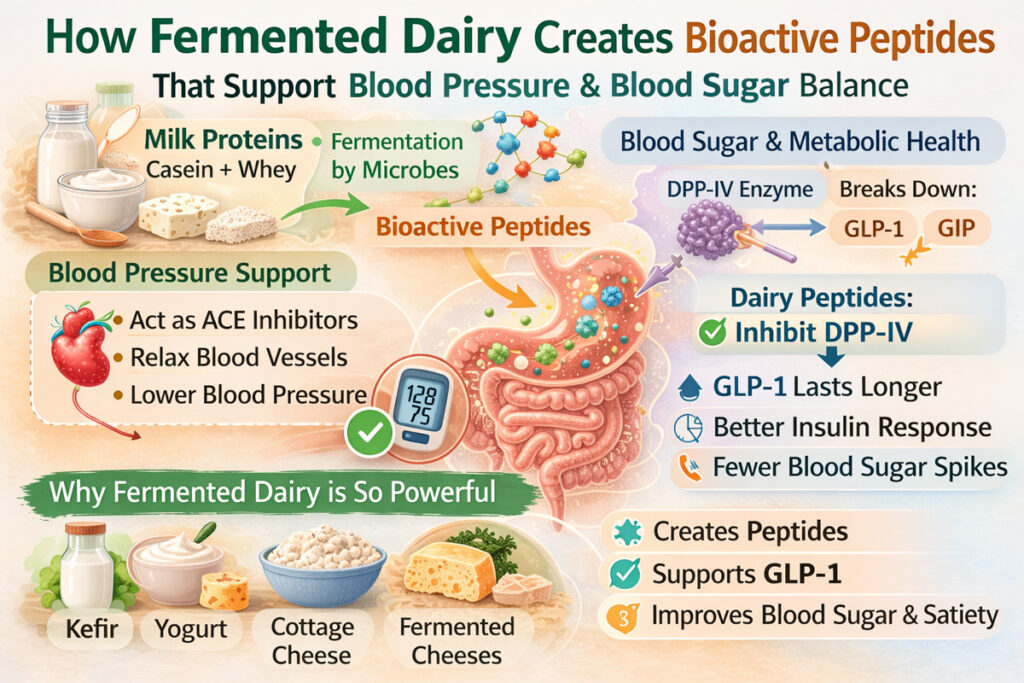 Over the years, researchers have discovered that when milk proteins are broken down, they create tiny compounds called bioactive peptides. These peptides can influence several important systems in the body in ways we are still learning about.
Blood Pressure Support
Some of these peptides act as ACE inhibitors, which help relax blood vessels and support healthy blood pressure levels. [7]
This is something I experienced myself many years ago when I first started drinking kefir. When I began drinking it regularly, I noticed changes in my blood pressure and blood sugar, both of which had been elevated. They gradually came down into the normal range, and that changed everything for me. At the time, I didn’t understand why. But now we’re beginning to see that the tiny microbes in fermented foods create peptides that can influence many of the same systems in the body.
Blood Sugar & Metabolic Health
Researchers are also discovering that peptides formed from dairy proteins may play a role in blood sugar regulation.
One of the most interesting mechanisms involves an enzyme called DPP-IV (dipeptidyl peptidase-4). [8]
What DPP-IV Normally Does
DPP-IV rapidly breaks down important metabolic hormones called incretins, especially:
• GLP-1 (Glucagon-Like Peptide-1)
• GIP (Glucose-dependent insulinotropic peptide)
These hormones are released from the gut when we eat. Their job is to:
• stimulate insulin release
• slow stomach emptying
• reduce appetite
• improve blood sugar control
But DPP-IV works very quickly. It breaks these hormones down rapidly, which shortens how long they can work in the body.[9]
How Dairy Peptides Interact With This System
When milk proteins such as casein and whey are broken down — especially during fermentation or enzymatic digestion — they release small fragments called bioactive peptides.
Scientists have shown that many dairy-derived peptides can inhibit the DPP-IV enzyme.
When DPP-IV activity is reduced:
• GLP-1 remains active longer
• insulin secretion becomes more efficient
• blood glucose spikes may be reduced
This is the same mechanism used by certain diabetes medications called DPP-4 inhibitors.
The Role of Short-Chain Fatty Acids
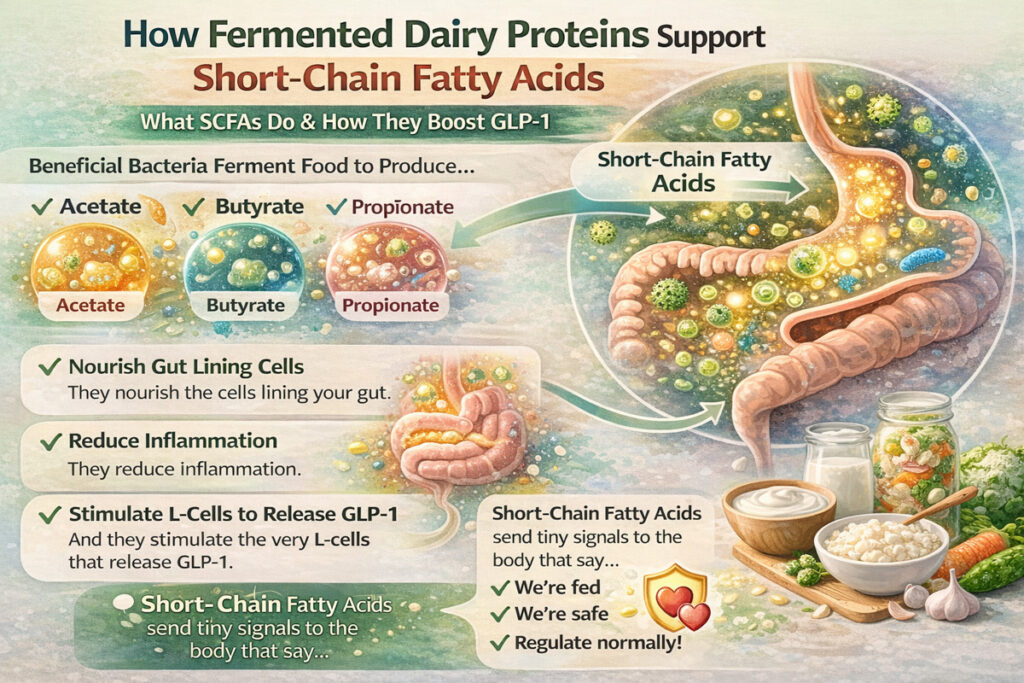 There’s one more important piece of this conversation.
When beneficial bacteria ferment food — they produce compounds called short-chain fatty acids.
The main ones are:
• Butyrate
• Acetate
• Propionate
They nourish the cells lining your gut.
They reduce inflammation.
And they stimulate the very L-cells that release GLP-1.[11,12]
That means your microbes aren’t just helping digestion.
They are directly influencing hormone signaling.
Short-chain fatty acids act like messengers — tiny signals that tell your body, “We’re fed. We’re safe. You can regulate normally.”
When your microbiome is healthy and producing these compounds, GLP-1 response improves.
How GLP-1 Works in Everyone
💡 Everyone makes GLP-1 when they eat. But the gut microbiome, fermented foods, protein density, and fiber can all influence how strong that signal becomes and how long it lasts.
This is a breakdown of how it works
The hormone GLP-1 is released from L-cells in the intestine after you eat. These cells respond to several things in food:
Certain amino acids can stimulate L-cells to release GLP-1, and protein-rich foods like meat, fish, eggs, dairy, and legumes are some of the strongest triggers—even without fermentation. Carbohydrates also stimulate GLP-1 when they reach the small intestine, helping the body release insulin, regulate blood sugar, and slow digestion. Fat digestion products can also activate GLP-1, which is why mixed meals often produce a stronger GLP-1 response. 🧬
Even people who never eat fermented foods still have bacteria in their gut.
These microbes ferment fiber and resistant starch and produce short-chain fatty acids like:
- butyrate
- acetate
- propionate
These compounds also stimulate L-cells to release GLP-1.
So the pathway still exists even without fermented foods.
Several things can reduce this signal:
1. Reduced GLP-1 release
In some people, especially those with obesity or insulin resistance, the gut releases less GLP-1 after meals.
2. Faster breakdown
The enzyme DPP-IV destroys GLP-1 quickly, shortening how long it can work.
3. Reduced sensitivity
The brain and pancreas may become less responsive to GLP-1, weakening appetite and blood sugar regulation.
4. Microbiome imbalance
Lower microbial diversity can reduce short-chain fatty acids that help stimulate GLP-1.
5. Chronic inflammation
Inflammation and metabolic stress can disrupt gut-hormone communication.
Why Strained Fermented Dairy Is the Sweet Spot
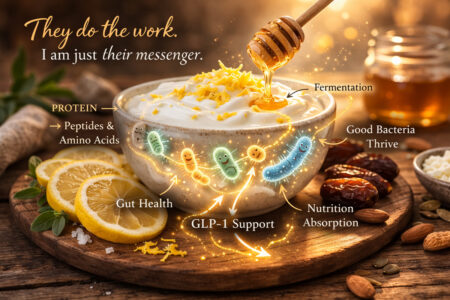
When you combine:
- Concentrated protein
- Fermentation-derived peptides
- Microbial signaling
- Living microbes
You create a powerful, natural way to support GLP-1 response.
These may:
- inhibit DPP-IV (the enzyme that destroys GLP-1)
- stimulate L-cells
- improve gut microbiome balance
So fermented foods don't create GLP-1 — they may simply help the signaling work better.
Strained fermented yogurt and kefir sit right in that sweet spot.
It delivers high protein density and fermentation signaling in one simple food.
Watch my video
Ways to Make Fermented Protein

High Protein Yogurt Skyr, and Greek

Kefir Cheese
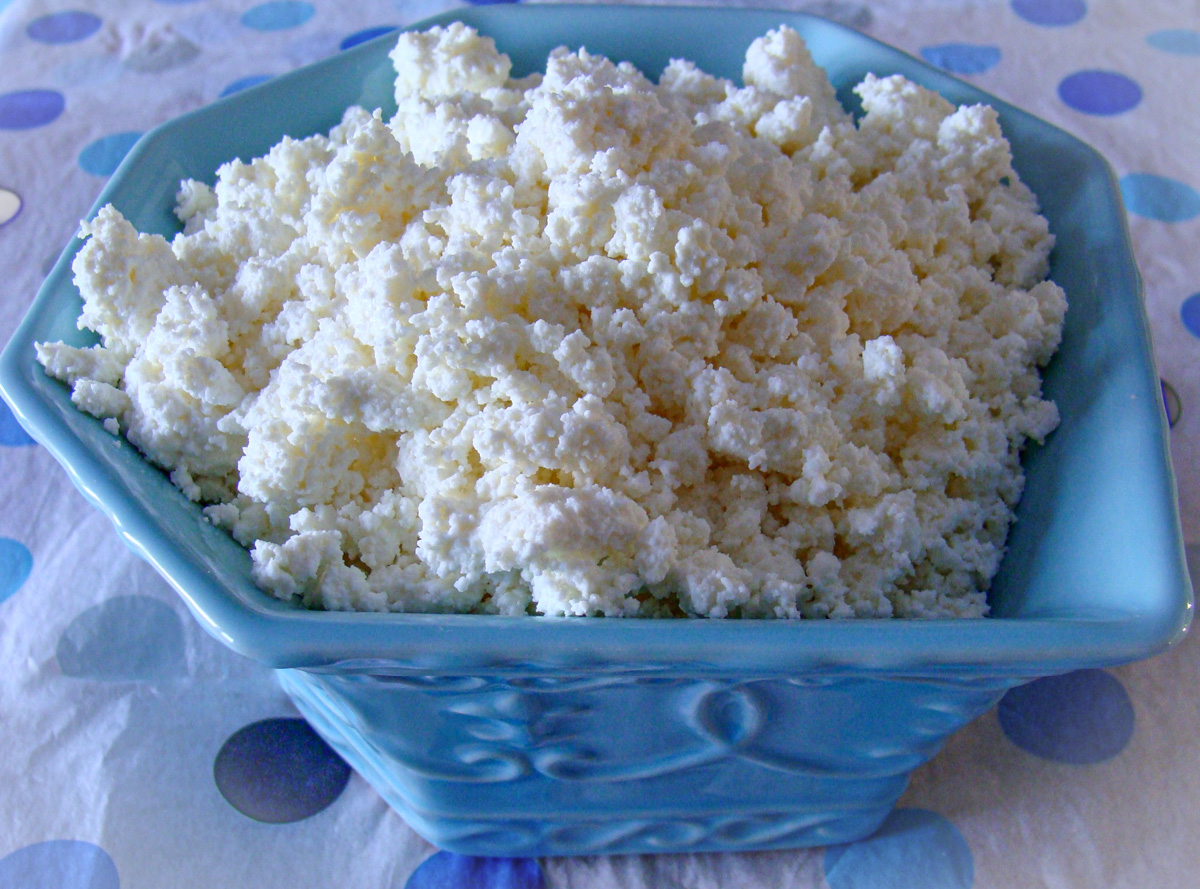
Probiotic Cottage Cheese
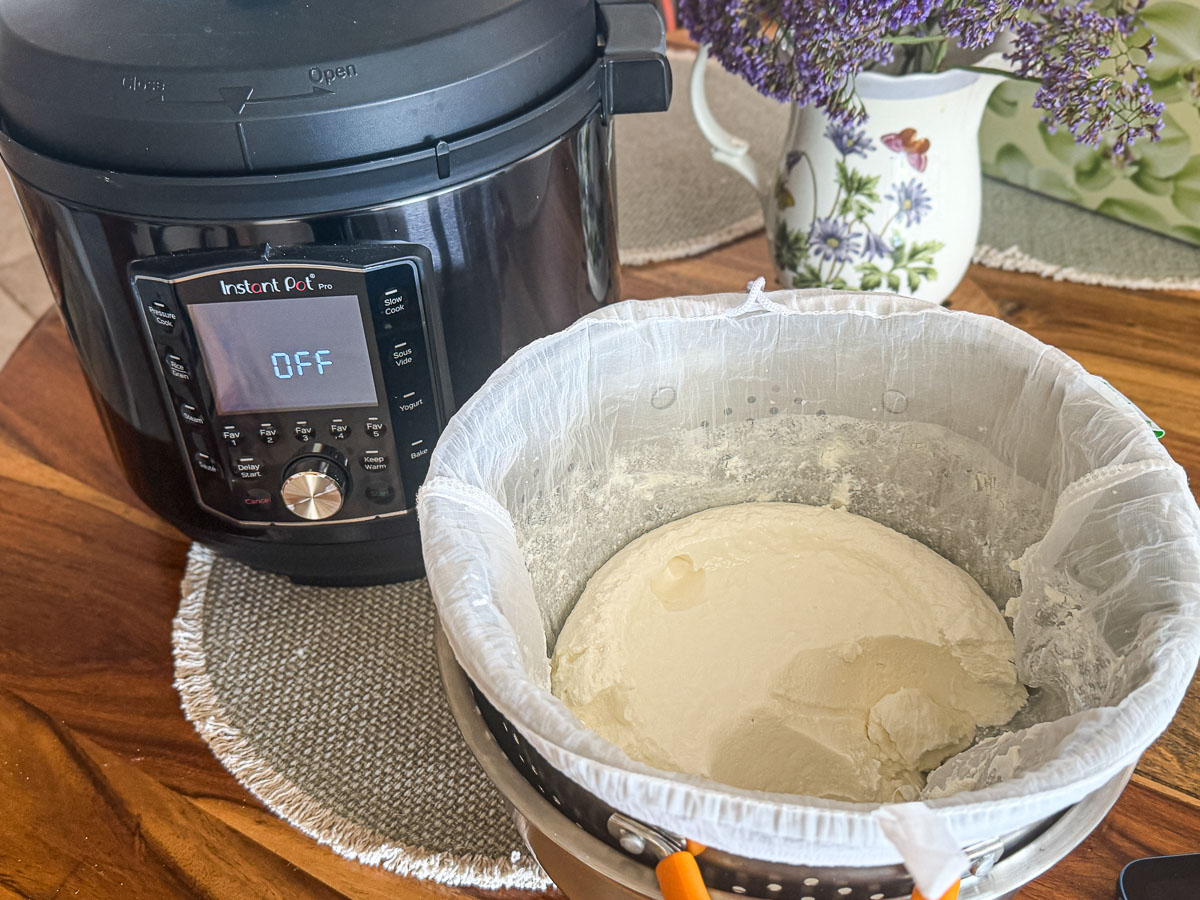

Greek Yogurt in an Instapot
References:
-
- https://pmc.ncbi.nlm.nih.gov/articles/PMC6548554/
- https://pmc.ncbi.nlm.nih.gov/articles/PMC5004117
- https://pmc.ncbi.nlm.nih.gov/articles/PMC8579104/
- https://pmc.ncbi.nlm.nih.gov/articles/PMC7700308/
- https://www.mdpi.com/2304-8158/13/17/2721?
- https://www.mdpi.com/2624-862X/6/6/65
- https://www.sciencedirect.com/science/article/pii/S0022316622091428?
- https://pmc.ncbi.nlm.nih.gov/articles/PMC11182572/?
- https://www.cambridge.org/core/journals/nutrition-research-reviews/article/glucagonlike-peptide1-regulation-by-food-proteins-and-protein-hydrolysates/00330E164AA32CDB8B4877401F1B27CEhttps://www.yogurtinnutrition.com/focus-on-the-bioactive-peptides-in-dairy-and-yogurt/
- https://pmc.ncbi.nlm.nih.gov/articles/PMC3266401/
- https://www.nature.com/articles/ijo2014153?
- https://www.cambridge.org/core/journals/nutrition-research-reviews/article/glucagonlike-peptide1-regulation-by-food-proteins-and-protein-hydrolysates/00330E164AA32CDB8B4877401F1B27CE?
Are you on the list?
Sign up today and I'll send you my free Getting Started Guide!
Each week I'll send you updates, tips, recipes, and more! You might even be a winner of my weekly giveaway! (starter cultures, memberships, and more!)
Come be a part of my cultured food family!