Look for me on:



Fermented Foods for Weight Loss
How Gut Bacteria Support Metabolism, Cravings, and a Healthy Gut Lining

For years, weight loss has been treated like a math equation — calories in versus calories out.
But if that were the whole story, far more people would be thriving.
The truth is, weight regulation is deeply connected to the gut — especially the bacteria that live there and the health of the gut lining itself.
Fermented foods don’t work because they’re low-calorie or trendy.
They work because they restore balance inside the body.
When the gut microbiome is supported, everything from appetite to blood sugar to inflammation begins to shift — often gently, and without force.
I’ve always used fermented foods to help calm cravings and support weight loss. But nothing — including fermented foods — is a magic fix for weight.
Consistency matters. Nutrient balance matters. Movement matters. All of these work together to create a healthy lifestyle where weight loss can happen. Weight gain often creates inflammation, and inflammation makes it harder to find balance — physically and mentally.
Weight loss isn’t a quick fix. It’s a shift in habits. It’s learning to enjoy the foods you eat and choosing ones that truly nourish you. So many things are involved: hormones, stress, mindset, and even how you see yourself.
As I’ve gained wisdom over the years, I’ve realized weight loss itself isn’t the goal. A lifestyle that preserves and builds muscle, supports nutrient density, and nourishes gut flora is what leads to longevity, steady energy, and deep joy.
Those are my goals now. And my body — along with my precious microbes — supports me every step of the way.
Why the Gut Matters for Weight Loss
Your gut bacteria help regulate:
-
Blood sugar and insulin sensitivity
-
Appetite hormones like GLP-1
-
Inflammation levels
-
Cravings and emotional hunger
-
How efficiently calories are used or stored
When the gut lining is compromised or the microbiome is out of balance, the body often goes into a protective state — holding on to weight, increasing cravings, and slowing metabolism.
Fermented foods help rebuild that inner environment.
They support beneficial bacteria, help seal the gut lining, and signal safety to the nervous system — which is essential for sustainable weight loss.
Here are some things I have learned on my journey with cultured foods and how they can help you too.
The Best Fermented Foods for Weight Loss (and Why They Work)

 Kefir
Kefir
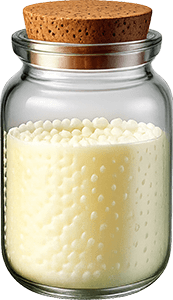 Kefir
KefirWhy it helps:
Kefir is one of the most powerful foundational foods for weight loss because it works on the systems that control weight, not just calories. It’s rich in diverse probiotics, bioavailable nutrients, and easily absorbed protein. Together, these help stabilize blood sugar, calm cravings, and improve how your body handles glucose.
Kefir supports appetite regulation by improving gut–brain signaling and reducing inflammation — two major reasons people struggle with overeating and stubborn weight. When digestion improves and blood sugar becomes more stable, the body naturally begins to relax around food.
Rather than forcing weight loss, kefir helps the body stop fighting it.
How to use:
Start with ½ cup daily, preferably earlier in the day or before a meal, and increase slowly as your body adjusts. Consistency matters more than quantity.
Members! Check out Kefir for weight loss lesson

Kombucha
 Kombucha
Why it helps:
Kombucha supports microbial diversity and liver detoxification — both important for fat metabolism. It can also help reduce sugar cravings when used properly.
Tip:
Make your own and 2nd ferement it to give in more flavor and benefits
How to use: 4 to 16 ounces a day
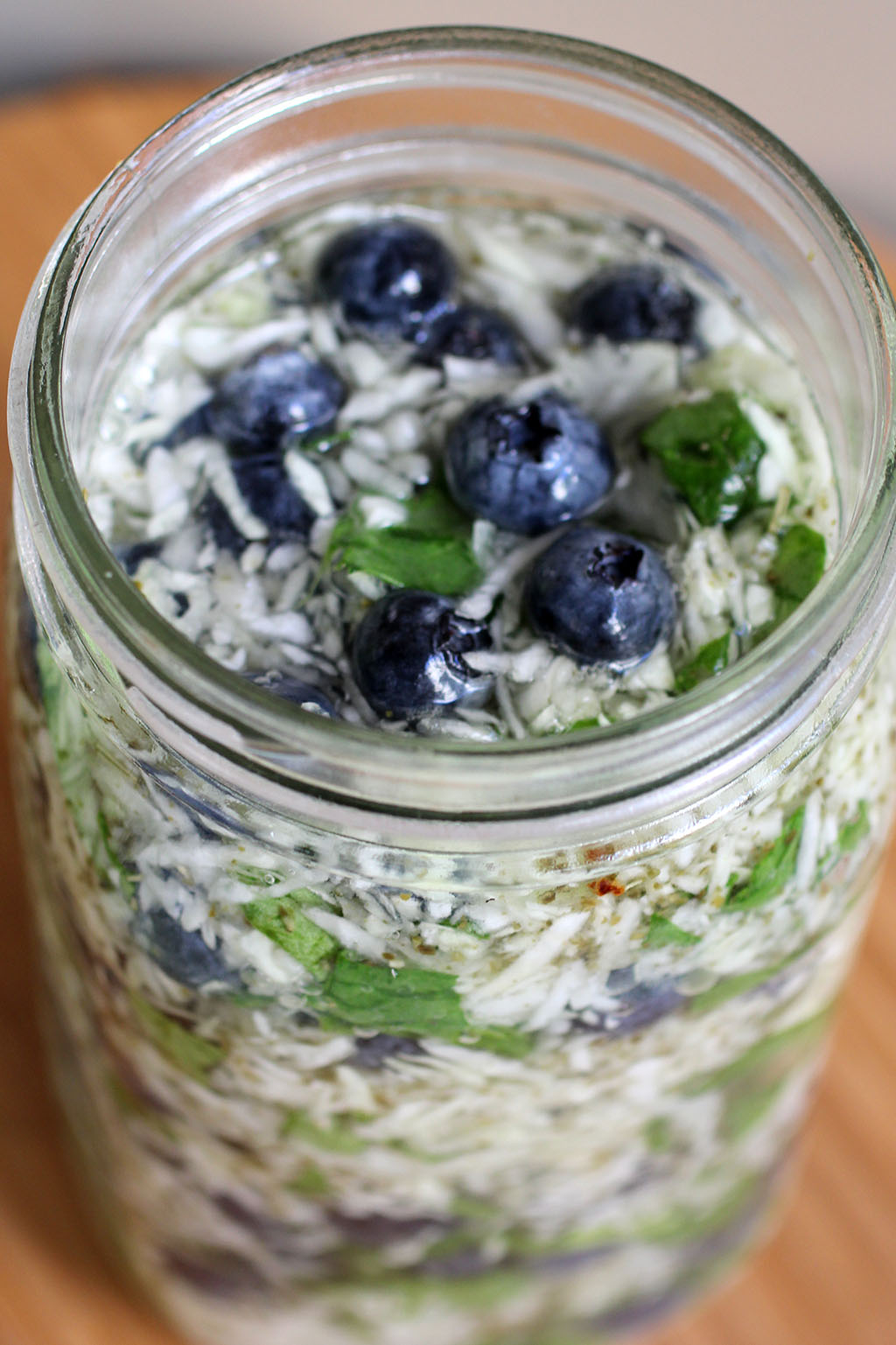
 Fermented Vegetables (Pickles, Sauerkraut, Kimchi )
 Fermented Vegetables (Pickles, Sauerkraut, Kimchi )
Why they help:
Fermented vegetables are low in calories, rich in fiber, and full of beneficial bacteria like Lactobacillus plantarum — a strain known to help reduce inflammation and support the gut lining.
A healthier gut lining improves nutrient absorption and helps regulate weight signals in the body.
How to use:
1–2 tablespoons with meals is plenty.

Yogurt (Especially with L. reuteri or L. gasseri)
 Yogurt (Especially with L. reuteri or L. gasseri)
Why it helps:
Lactobacillus reuteri supports oxytocin production, which may reduce inflammation and fat storage while improving mood and satiety.
L. gasseri has been shown in studies to help reduce visceral fat.
Tip:
Use lower fat milks like 2% to help reduce calories
How to use: 1-2 tbsp or 1/4 cup a day

5. Kefir Soda
 5. Kefir Soda
Why it helps:
These bubbly fermented drinks provide beneficial bacteria and yeasts like Saccharomyces boulardii, which support digestion, reduce bloating, and crowd out harmful microbes linked to weight gain.
They’re also a wonderful alternative to sugary sodas.
How to use: 4-8 ounces a day
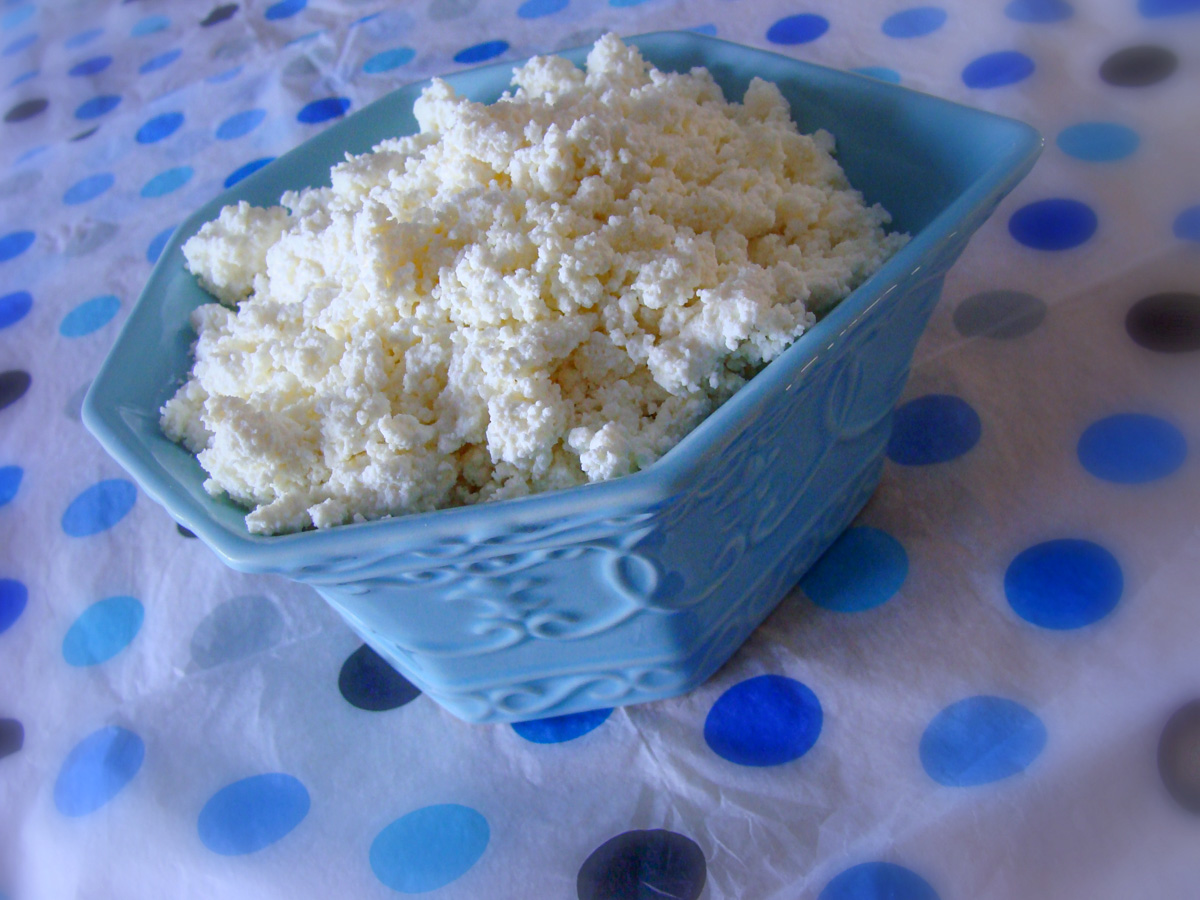
Fermented Cottage Cheese
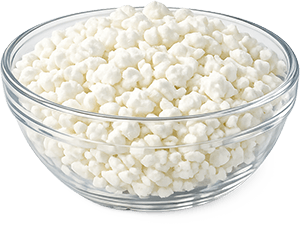 Fermented Cottage Cheese
Why they help:
High in protein and probiotics, these foods increase satiety and help preserve lean muscle during weight loss.
Protein helps regulate hunger hormones like ghrelin, making weight loss feel calmer and more sustainable.
Tip: Use lower-fat milk, still delicious and yummy
How to use: ¼ -1 cup a day

 Skyr or Greek Yogurt & Yogurt Plus
Why they help:
High in protein and probiotics, these foods increase satiety and help preserve lean muscle during weight loss.
Protein helps regulate hunger hormones like ghrelin, making weight loss feel calmer and more sustainable.
Tip: Make a big batch in your Instant Pot so you have it for the week.
How to use: ¼ -1 cup a day
Why Fermented Foods Support Weight Loss So Effectively
Fermented foods work on multiple levels:
-
Support GLP-1 production, which signals fullness
-
Improve insulin sensitivity
-
Reduce chronic inflammation
-
Help repair the gut lining
-
Balance appetite and cravings
-
Support metabolic flexibility
This is not about restriction.
It’s about restoring communication between your gut and your body.
A Gentle Daily Rhythm with Fermented Foods
Morning
Kefir Smoothie Bowl
Kefir, berries, collagen or protein, chia or flax
→ Supports blood sugar and appetite all day
Mid-Morning
Yogurt with L. reuteri or L. gasseri
→ Helps regulate hormones and cravings
Lunch
Cultured Veggie Bowl
Greens, protein, avocado, sauerkraut or kimchi
→ Gut-healing, anti-inflammatory, filling
Afternoon
Kefir Soda or Kombucha
→ Hydration, detox support, sugar craving control
Dinner
Yogurt-Marinated Protein + Vegetables
→ Balanced blood sugar and digestive support
Evening (Optional)
Small spoonful of yogurt with cinnamon
→ Helps curb nighttime cravings and supports sleep hormones
Start Slow and Listen to Your Body
If you’re new to fermented foods, begin with small amounts — even just a tablespoon or two.
Your body may need time to adjust, especially if your gut has been under stress for years.
Consistency matters more than quantity.
A little every day is far more powerful than a lot once in a while.
The Bigger Picture
Fermented foods don’t force weight loss.
They create the conditions where weight loss becomes easier.
When your gut feels safe, nourished, and supported, your body can finally let go.
Your microbes are powerful partners in this process — and when you feed them well, they take care of you.
Listen To My Podcast
In this episode, I share how fermented foods like kefir, yogurt, cultured vegetables, and kombucha can help calm cravings, support blood sugar, reduce inflammation, and gently bring your metabolism back into rhythm. We’ll talk about why weight loss often doesn’t happen right away, how your gut bacteria play a powerful role, and how small, consistent habits can create lasting change.
This isn’t a quick fix. It’s a kinder, smarter way to support your body — and let weight loss happen naturally.
References:
Are you on the list?
Sign up today and I'll send you my free Getting Started Guide!
Each week I'll send you updates, tips, recipes, and more! You might even be a winner of my weekly giveaway! (starter cultures, memberships, and more!)
Come be a part of my cultured food family!