Look for me on:



Feed Your Microbes: Cozy Fall Meals with Cultured Foods
Foods To Eat Alongside Your Cultured Foods This Fall
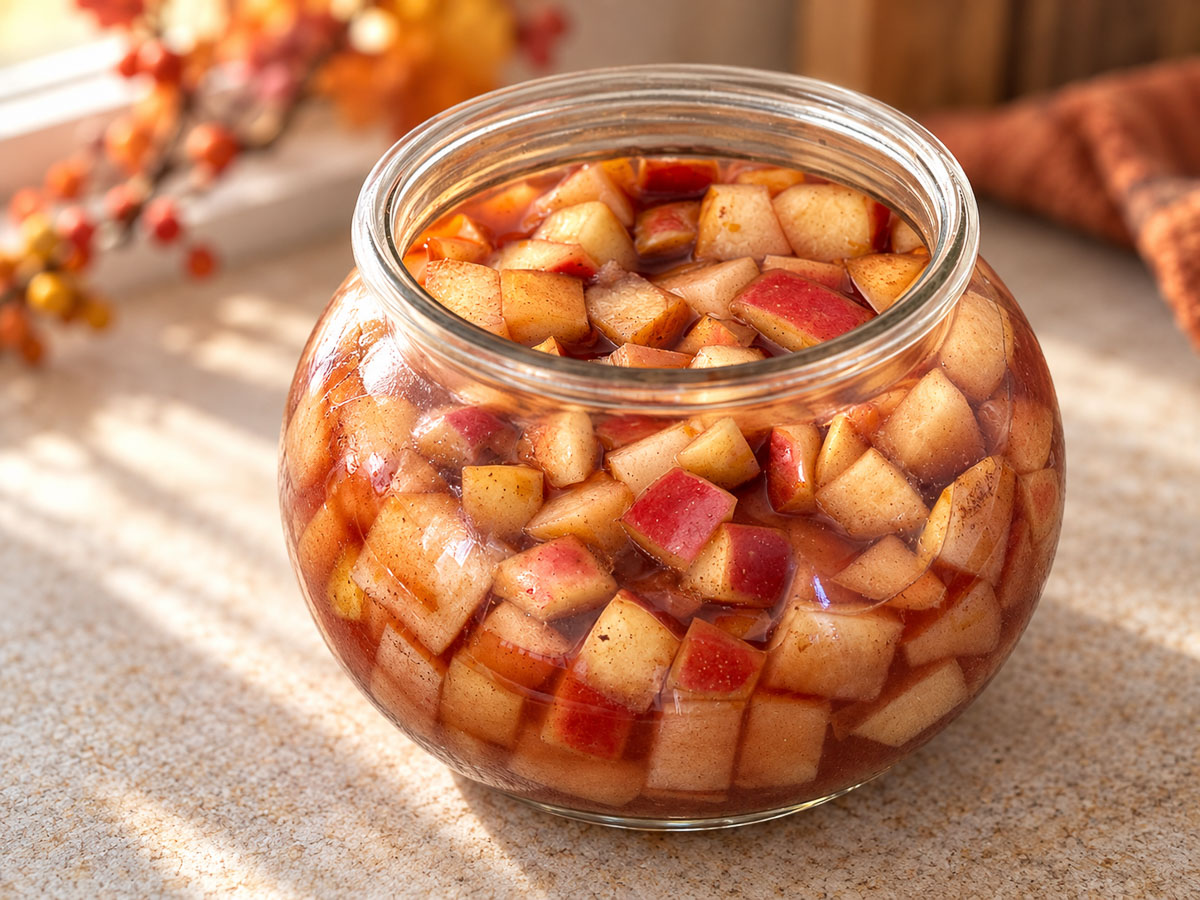
Fermented Spice Apples
When fall arrives, I start craving warm breakfasts, bean soups, roasted vegetables, and apples with cinnamon. I still eat my cultured foods, but I love what happens when I put them beside all those comforting fall ingredients. A pot of beans gets a spoonful of apple kraut at the table and a dollop of cultured yogurt cream on top. A bowl of Skyr becomes breakfast with cooked apples and oats. Sourdough toast turns into lunch with eggs, avocado, and cultured vegetables.
The cultured food might be the thing that first gets our attention, but the rest of the plate matters too. Fruits, vegetables, beans, nuts, and grains bring fiber and a wonderful variety of plant compounds. Many of our gut microbes use components of these foods as nourishment. I think of it as caring for the microbes from both sides: enjoying cultured foods and giving the community in our gut a varied menu.
You don't need to count every gram of fiber or make a complicated plan. Start with what is in season and what you enjoy eating. Here are some of my favorite fall pairings.
Why Beans Are Food for Your Microbes
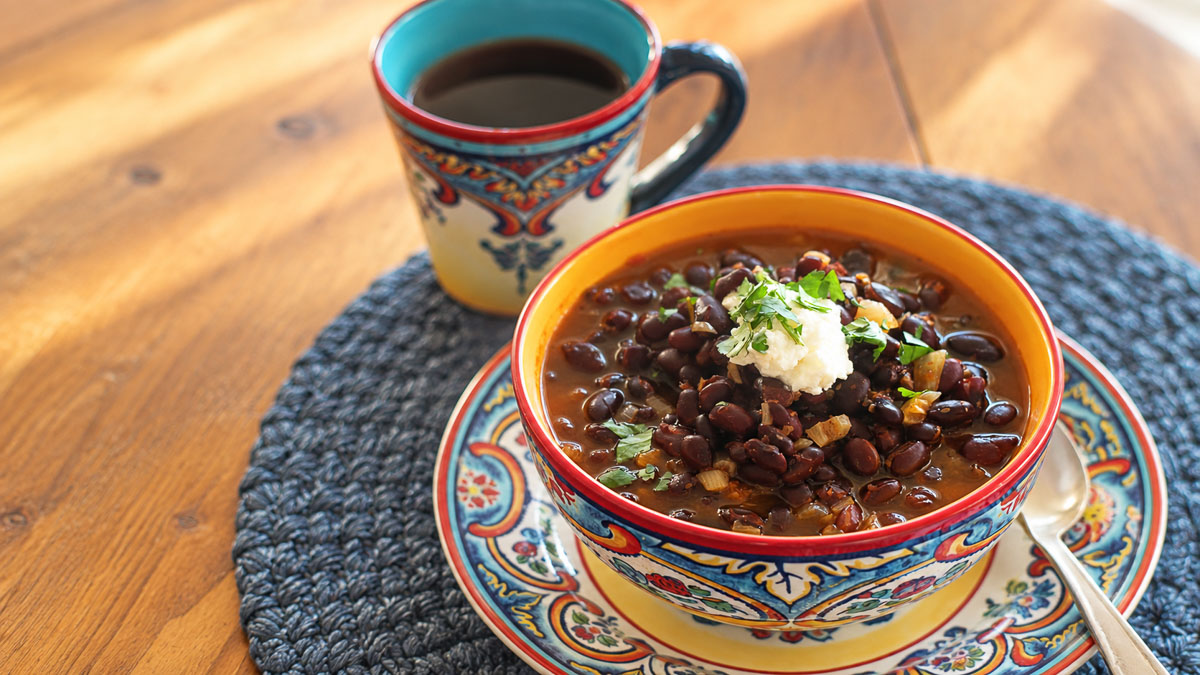
Black Bean Soup with Creamy Cultured Topping
Beans are having a moment, and I understand why. They're affordable, filling, and easy to turn into soup, a skillet meal, or a quick lunch. They also bring fiber to the table, which makes them a natural partner for the cultured foods I love.
I talk a lot about adding beneficial microbes through kefir, yogurt, and cultured vegetables. But we also need to feed the microbes already living inside us. Beans are one of my favorite foods for doing just that.
Beans contain fiber and resistant starch—carbohydrates that aren’t fully digested in the small intestine. Some travel on to the colon, where microbes ferment them. That’s why beans have prebiotic potential: they provide food for certain gut microbes. Different microbes prefer different fibers, so I like to eat a variety of beans and other plants rather than depend on just one food. [1]
During fermentation, microbes produce short-chain fatty acids, or SCFAs. The main ones are acetate, propionate, and butyrate. Butyrate is especially interesting because cells lining the colon use it for fuel. The amount produced varies from person to person, but I think it’s amazing that an ordinary bowl of bean soup can provide food for this process. [1]
Beans can be helpful when you’re thinking about blood sugar, too. They contain starch, but also bring fiber and protein. In a small study, black beans with rice led to a lower blood sugar response than rice alone. A longer trial in people with type 2 diabetes also found improved blood sugar control with a diet that included more legumes. These results don’t mean beans treat diabetes or that everyone responds the same way, but they give us another reason to enjoy them as part of a varied diet. [2]
If you want to know how to soak beans, I have a separate guide on why and how to soak beans, nuts, seeds, and grains. That article has the preparation details, so you can use whichever method works in your kitchen.
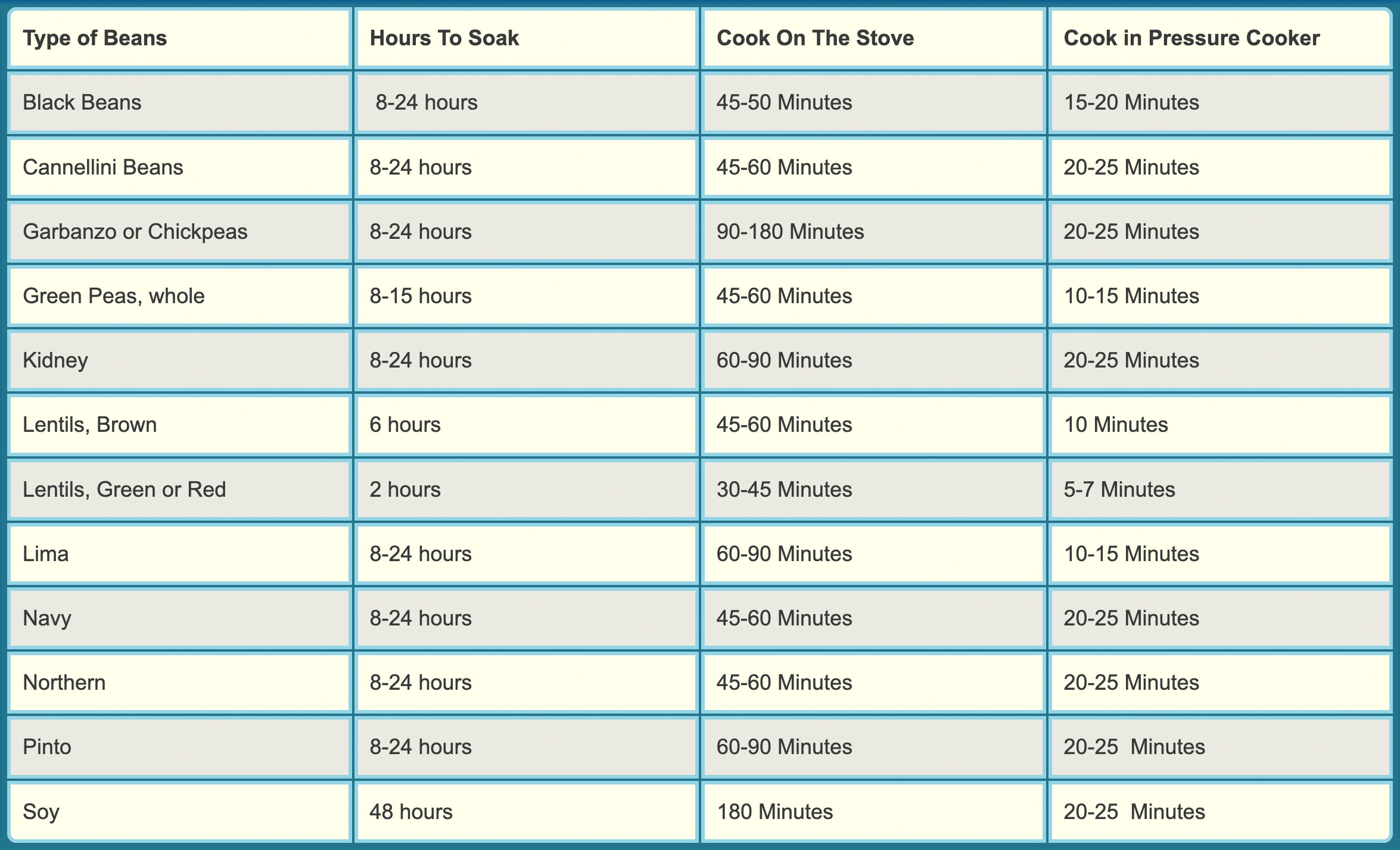
Soaking beans, nuts, grains, and more
Apples and pears with kefir or yogurt
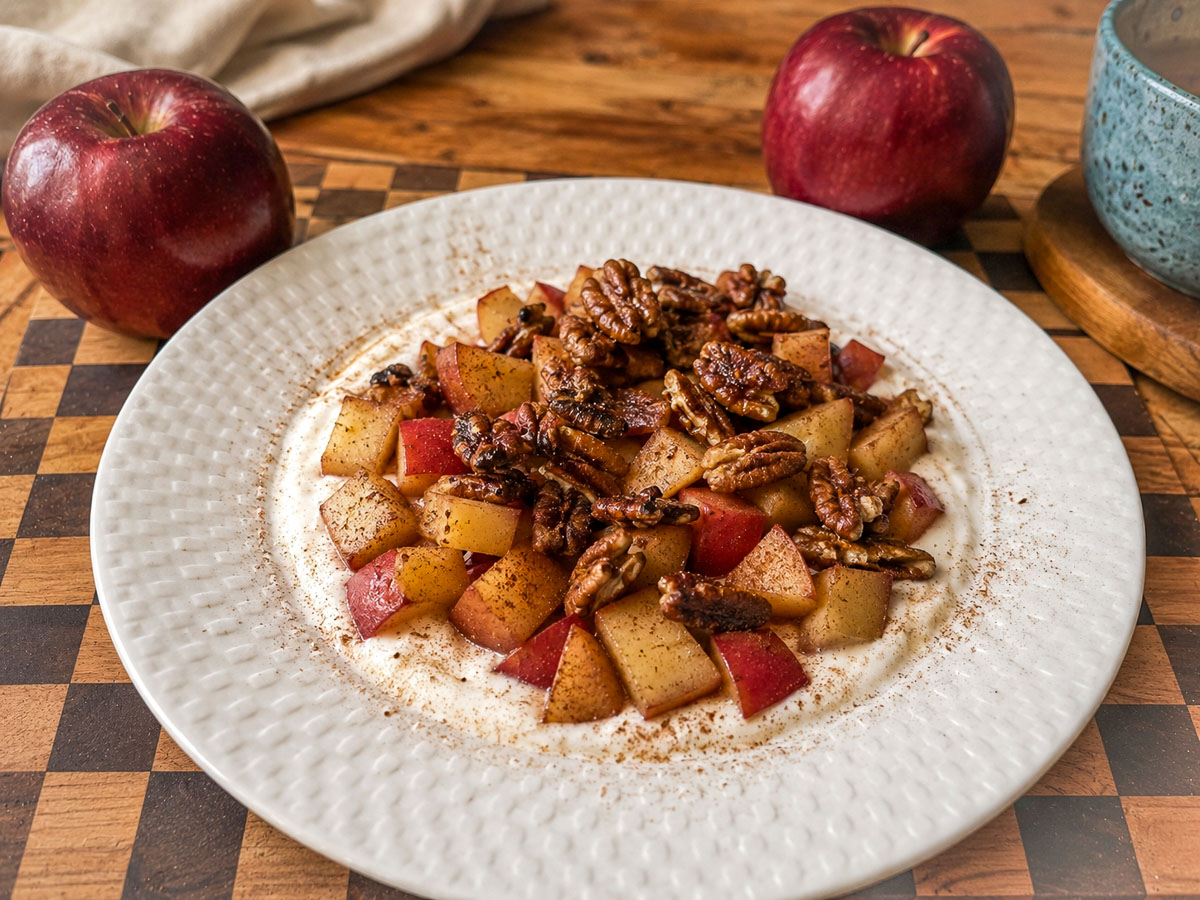
Apple Pie Kefir Breakfast Bowl
Apples are everywhere this time of year, and I never get tired of them. Sometimes I gently cook chopped apples with cinnamon and a splash of water until they're tender, then spoon them over thick kefir, Skyr, or Greek yogurt. Pears are wonderful this way too. Add a few walnuts or pumpkin seeds, and it feels like dessert for breakfast.
I leave the peel on my apples when I can. It adds texture and fiber, and it makes the whole thing easier. Apple peels also feed Akkermansia, the bacteria in your gut that keeps your gut lining intact. If raw fruit bothers your stomach, cooking it until soft is another delicious way to enjoy it. You can also add a little fruit at first and see what feels good to you.
Try it: Warm cinnamon apples over cold Skyr or Greek yogurt, with a few toasted walnuts on top. Add the yogurt after the apples have cooled slightly if you want to keep its live cultures.
Or try my spiced fermented apples picture above. 👆🏼👆🏼👆🏼
Oats and other grains with cultured dairy
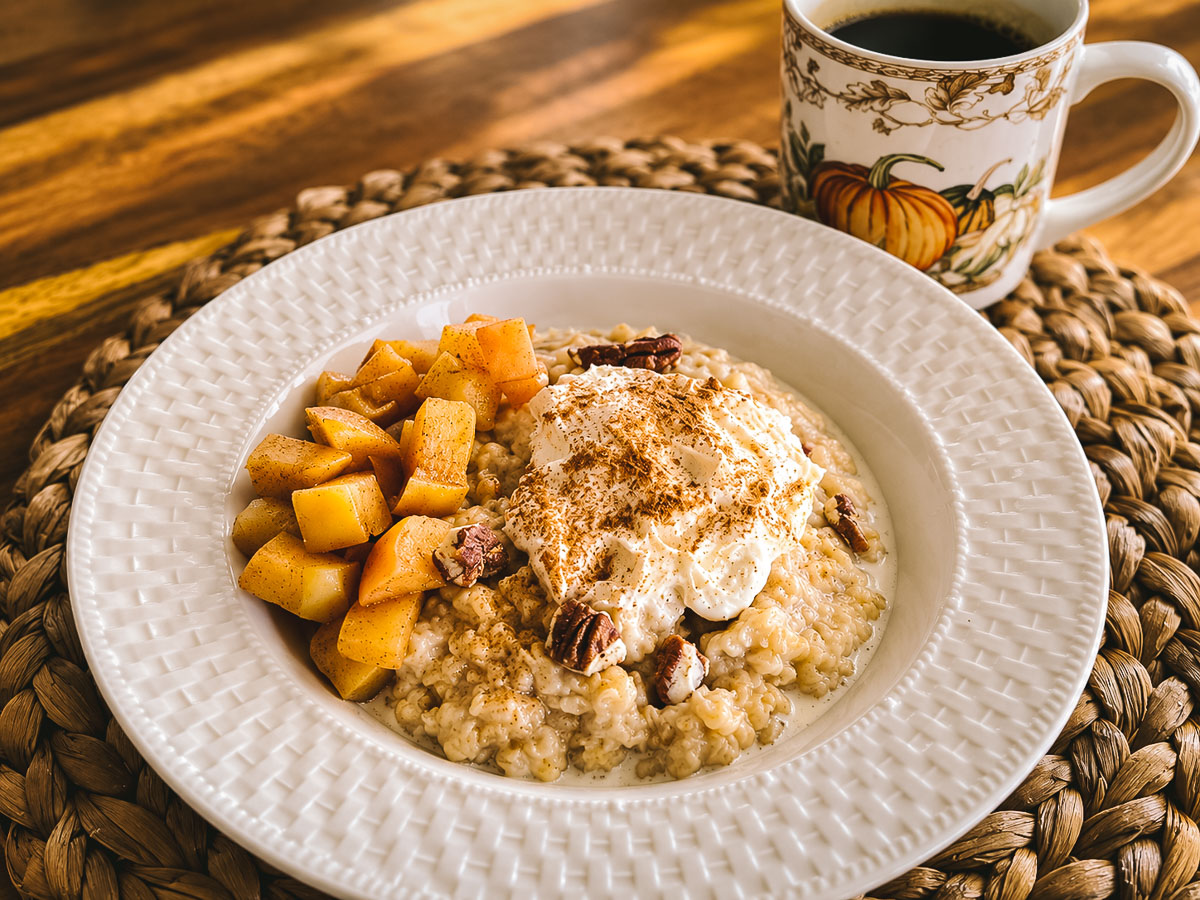
Apple Yogurt Oatmeal Bowl
Oatmeal and cultured dairy make such a good pair. I cook the oats first, let them cool from piping hot, then stir in kefir or add a spoonful of yogurt. It makes the bowl creamy and satisfying. For a savory version, I love the idea of cooked grains with roasted vegetables and a tangy yogurt sauce.
Try it: Cooked oats with cinnamon, chopped pear, and a generous spoonful of Skyr after the oats cool a little.
Squash, sweet potatoes, and a cultured topping
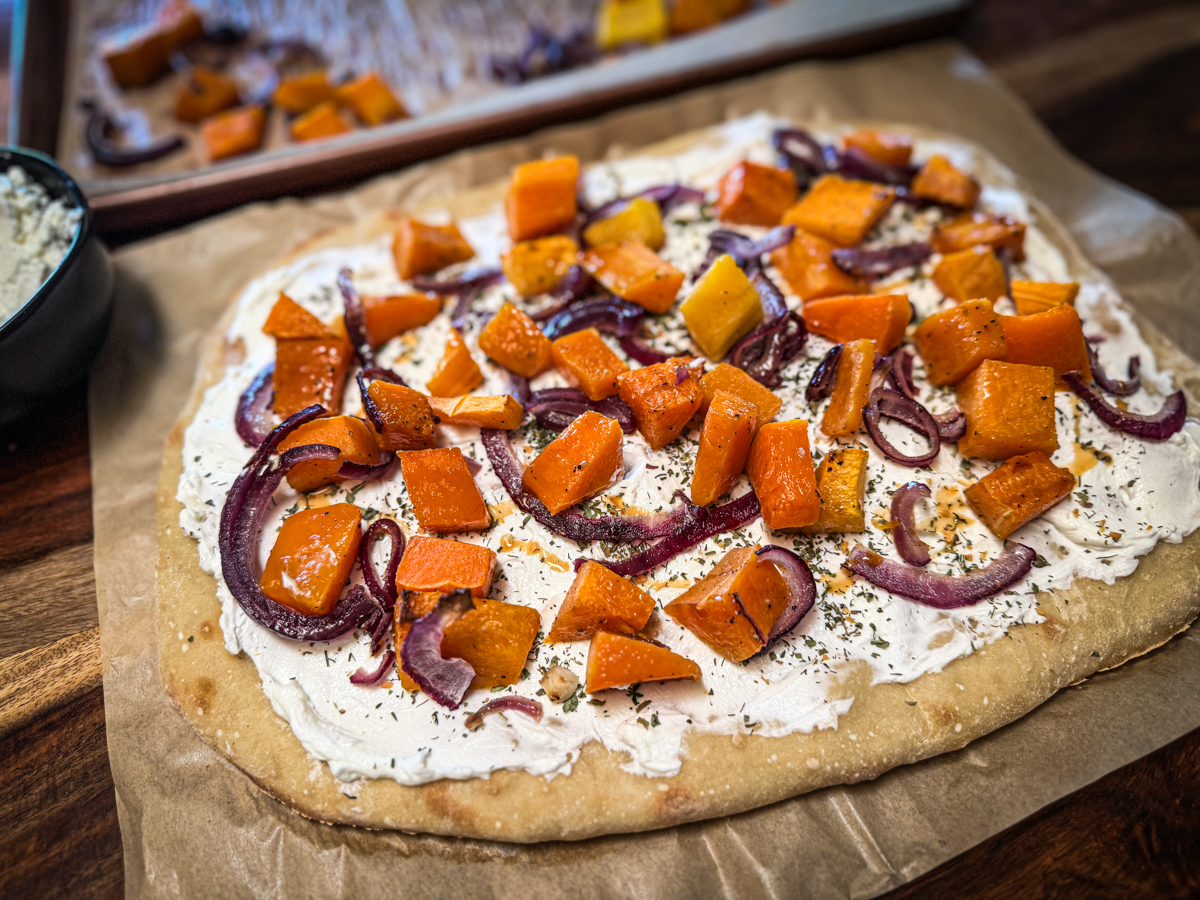
Sourdough Harvest Flatbread with Yogurt Cheese
Fall vegetables give us so many ways to make dinner comforting. Roast cubes of squash or sweet potato with olive oil and your favorite seasonings. When they come out of the oven, let them cool a little and add a spoonful of yogurt sauce or serve cultured vegetables on the side.
The sweet, warm vegetables and cool, tart topping are wonderful together. I also love how a little cultured food can make a familiar side dish feel new without requiring another complicated recipe.
Try it: Roasted squash with a sauce made from plain yogurt, lemon, and herbs. Serve it with dinner and add a little kraut if you like extra tang.
Nuts and Seeds for a Little Crunch
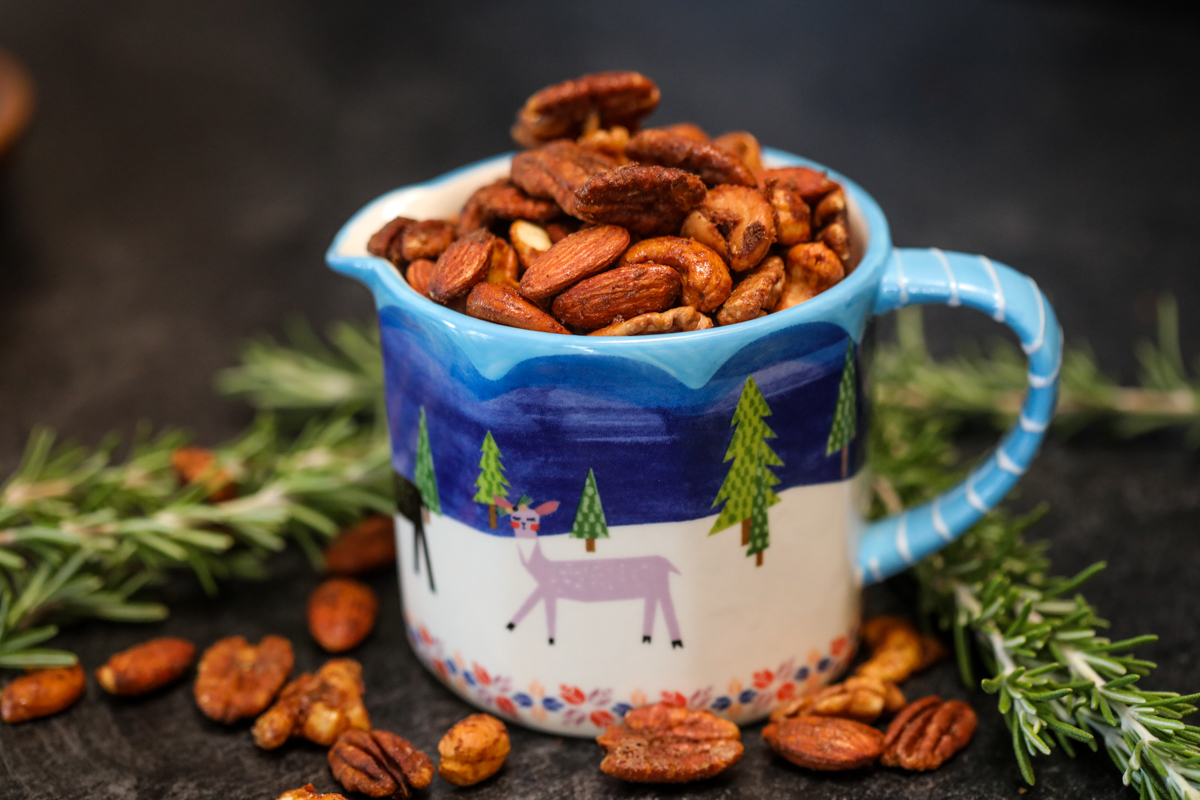
Prebiotic Spiced Nuts
I often finish a kefir or yogurt bowl with walnuts, pecans, or pumpkin seeds. They add crunch and make breakfast feel more substantial. Pumpkin seeds are especially nice with apples and cinnamon, and toasted pecans taste like fall to me.
These are little additions, but they help you bring more variety to your meals. Use the nuts and seeds you like, and keep it simple. My older soaking guide has the methods I use when I want to prepare them that way.
Start with one pairing
You don't need a refrigerator full of different cultured foods to do this. If you already make kefir, add apples or oats to the way you serve it. If yogurt is your favorite, try it with squash at dinner. If you have a jar of kraut, put a little beside your next bowl of soup.
I have learned that the habits that last are usually the ones that taste good and fit into real life. It's important. Fall gives us so many beautiful foods to work with. Let your cultured foods join the meal, and enjoy the variety one bowl at a time.

If you're looking for more ideas for bringing cultured foods into your fall meals, I'm sharing a new recipe and video each week in my members' Fall Immunity Cooking Series. I'd love to have you cook along with me.
Listen To My Podcast
Fall is the perfect time to slow down, warm up the kitchen, and feed the microbes that help keep us strong. In this episode, I’m sharing some of my favorite cozy fall meals and simple ways to add cultured foods like kefir, yogurt, cultured vegetables, and sourdough to the foods you already love.
You don’t have to eat complicated meals to support your gut. A warm bowl of soup, a hearty fall breakfast, or a comforting sourdough dish can become even more nourishing when you pair it with the right cultured foods. 🍎🍂
Are you on the list?
Sign up today and I'll send you my free Getting Started Guide!
Each week I'll send you updates, tips, recipes, and more! You might even be a winner of my weekly giveaway! (starter cultures, memberships, and more!)
Come be a part of my cultured food family!