Look for me on:



A Little Ruby, a Little Gold: Pomegranates & Butternut Squash in My Cultured Kitchen
Which Is Better?
Foods with Purpose
I love when the foods of the season make the table beautiful all by themselves. Ruby-red pomegranate seeds and golden butternut squash do exactly that. One brings a juicy little crunch, and the other brings sweetness and comfort.
This week, I’m sharing recipes I make in my cultured kitchen with my fermented pomegranate seeds and butternut squash recipes. They’re a lovely way to add something special to your holiday meals, but you certainly don’t have to save them for a holiday!
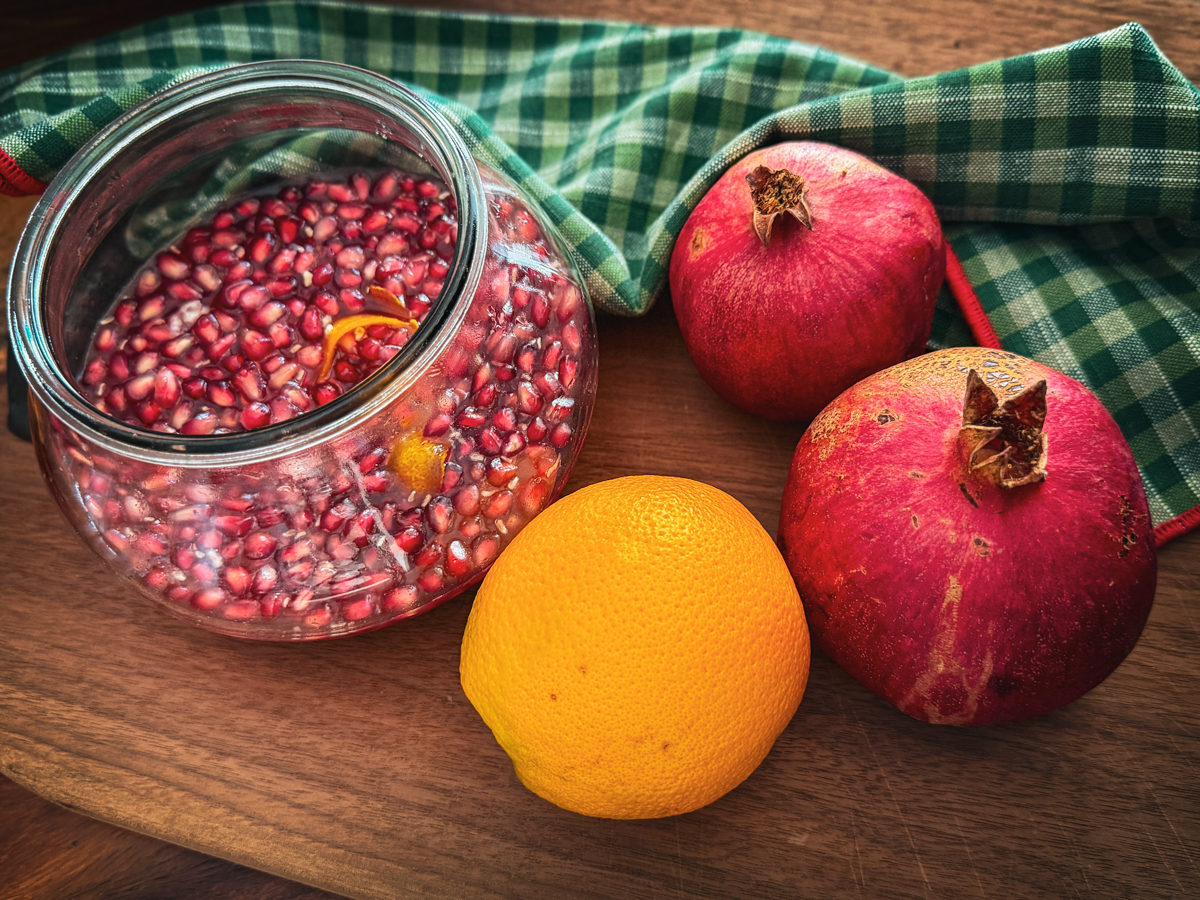
Those little ruby seeds
The juicy pieces we call pomegranate seeds are actually called arils—the little seeds and their juicy covering. Eating the whole arils gives you fiber along with their sweet-tart flavor.
Pomegranates also contain polyphenols, a group of plant compounds studied for their potential health benefits. Researchers have explored effects on blood pressure and other markers of health. I think the best reason to enjoy them is simple: they’re delicious and remind us that nature can provide seasonal foods that enhance our health with beautiful colors too! [1] www.nccih.nih.gov
My fermented pomegranate seeds give me another way to enjoy these beautiful little gems. A spoonful can make a simple bowl of kefir or yogurt feel festive. They’re also lovely with kefir cheese or scattered over a finished dish for a burst of color and flavor.
A little golden goodness
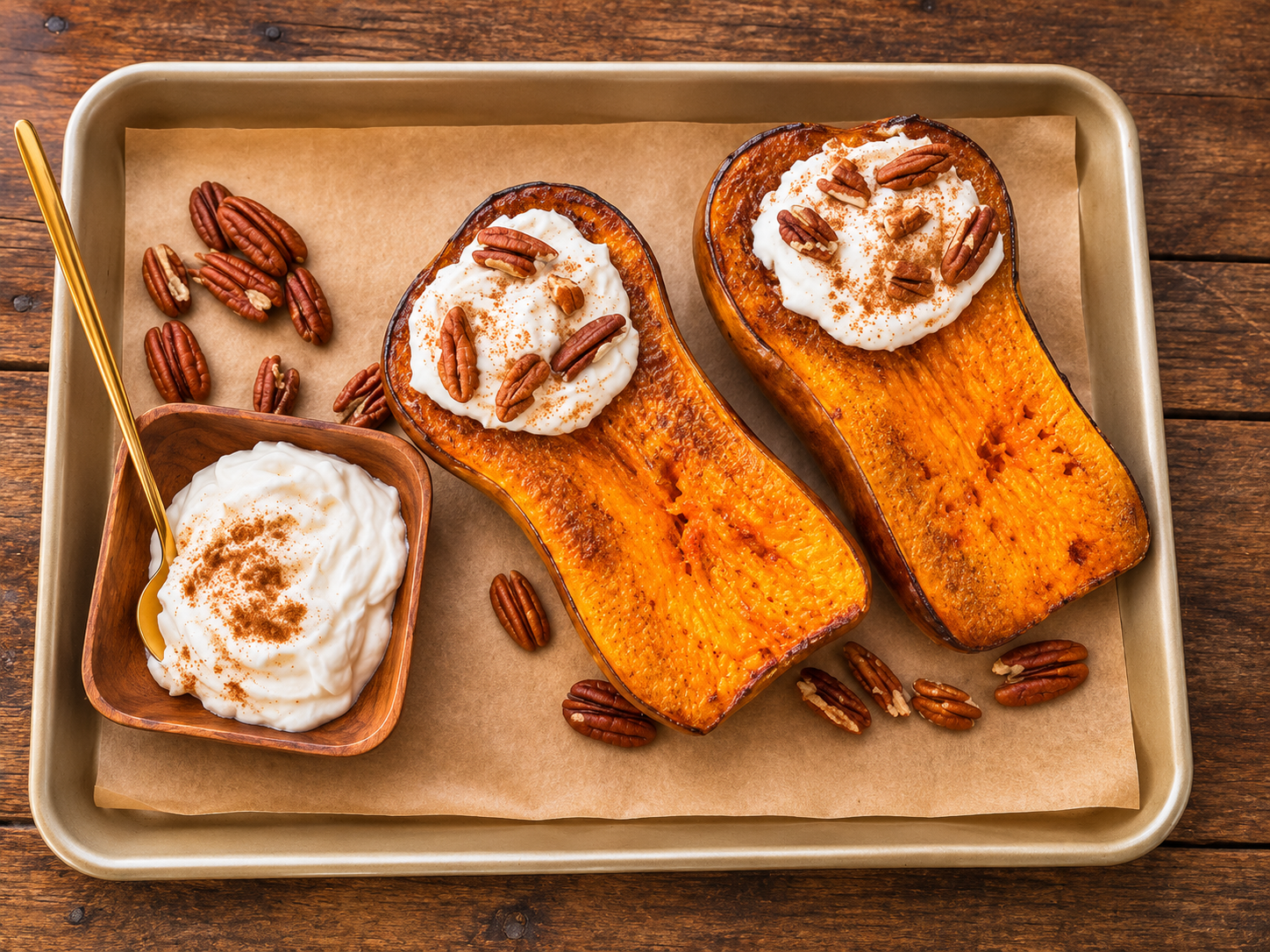
Butternut squash is one of those foods that feels like comfort food before you’ve done much to it. Cooking brings out its natural sweetness and gives it that soft, creamy texture.
Its golden-orange flesh provides beta-carotene, which the body can convert into vitamin A. This vitamin helps support normal vision and immune function. Butternut squash also contributes plenty of fiber to help your microbes grow and thrive.
The Goodness Behind Those Ruby Reds and Golden Oranges
 I love that the colors that make these foods so beautiful also tell us something about what’s inside them. Those ruby reds and golden oranges come from natural plant pigments—and some of these compounds help nourish and protect our bodies.
Pomegranates get their beautiful red color from anthocyanins, plant compounds with antioxidant activity. These are part of the pomegranate’s collection of polyphenols, which researchers are studying for their potential to support health. Eating the whole juicy seeds also gives you fiber alongside those colorful compounds.
Butternut squash gets its golden-orange color from carotenoids, including beta-carotene. Your body can convert beta-carotene into vitamin A, and lots of fiber for your microbiome to feast on.
One of my favorite things about butternut squash is how much you can enjoy. One cup of plain, baked butternut squash has about 82 calories—that means two whole cups have only about 164 calories! That’s a generous bowl of sweet, golden goodness. Butter, oil, and other toppings add to that total, but the squash itself is naturally low in calories.
And those beautiful colors come with benefits:
- Support for your eyes and immune system. Butternut squash supplies beta-carotene, which your body converts into vitamin A. Vitamin A helps maintain normal vision and immune function. [2]
- Vitamin C for skin and healing. A cup of baked squash provides about 31 milligrams of vitamin C. Your body needs this vitamin to make collagen, help wounds heal, and support normal immune function. [3]
- Fiber from those little pomegranate seeds. Eating the whole juicy seeds gives you fiber that you miss out on when drinking juice. Fresh pomegranate arils provide about 4 grams of fiber per 100 grams, helping you work toward your daily fiber needs.[4]
- Beneficial plant compounds. Pomegranate polyphenols—such as punicalagins, ellagic acid, and anthocyanins—support arterial health primarily by reducing oxidative stress, lowering vascular inflammation, and helping protect against plaque buildup (atherosclerosis). [5]
This week, I’m sharing my fermented pomegranate seeds and butternut squash recipes—delicious ways to bring these seasonal foods into your kitchen. You don’t need a complicated meal to nourish yourself. Sometimes a generous helping of golden squash and a spoonful of ruby-red pomegranate seeds are a beautiful place to start. 💛
Recipes with Pomegranates and Butternut Squash
Fermented Pomegranates and Honey
Cinnamon Pecan Butternut Yogurt
Recipes for Members
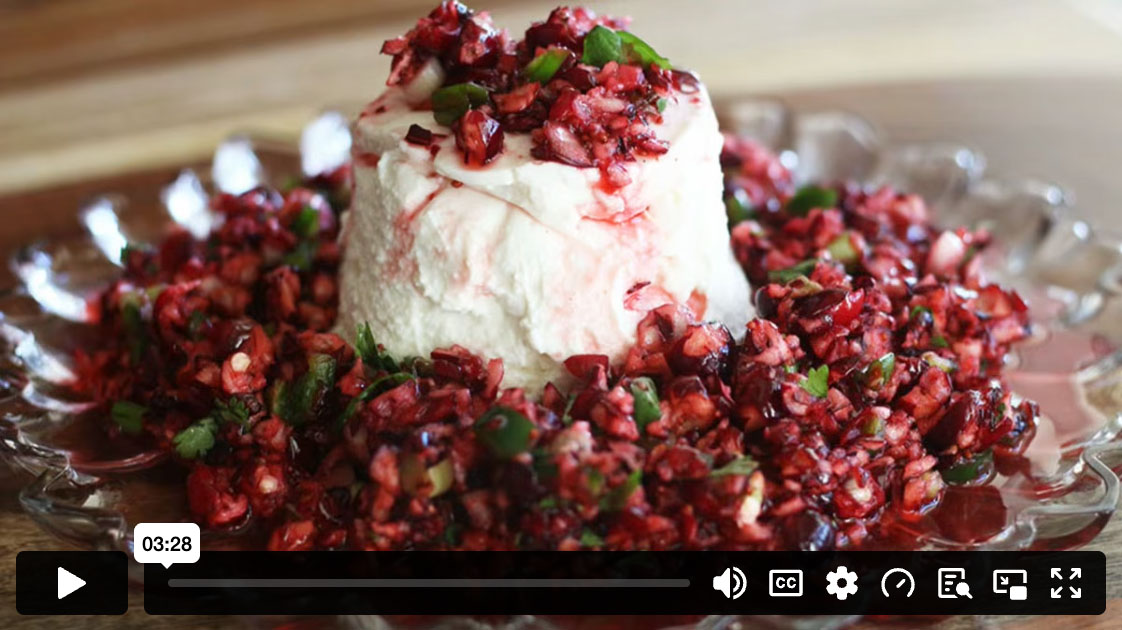
Cranberry Jalapeño Kefir Cheese Dip
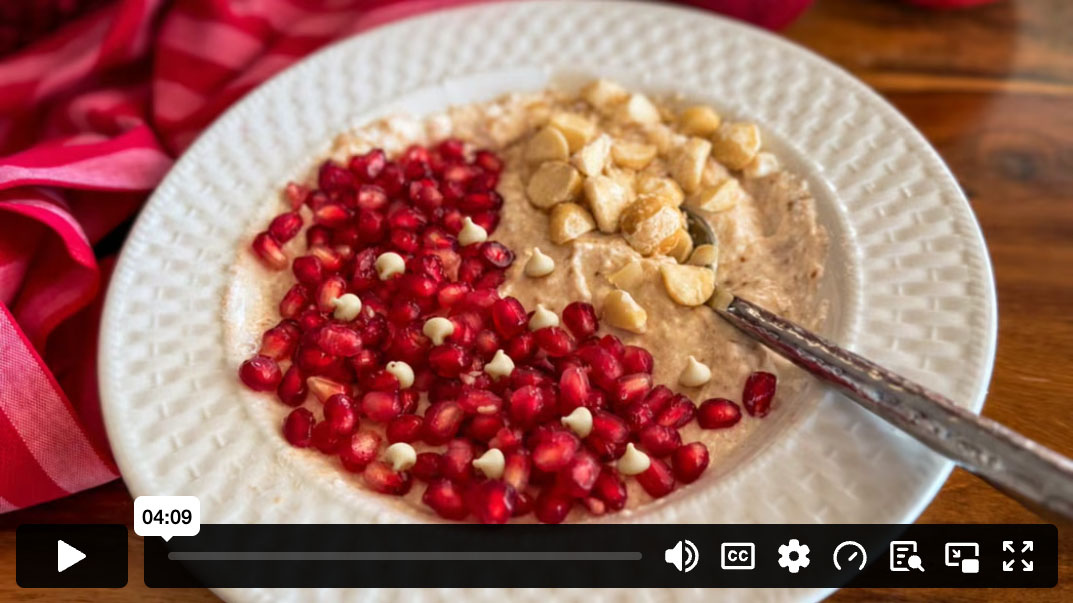
Pomegranate White Chocolate Kefir Bowl
Listen To My Podcast
A little ruby, a little gold, and so much goodness! Discover how pomegranates and butternut squash provide fiber, antioxidants, and nutrients that support healthy vision and immune function. I’m also sharing my Fermented Pomegranates in Honey and Cinnamon Pecan Butternut Yogurt—delicious ways to bring seasonal flavor into your cultured kitchen. 💛
References:
- www.nccih.nih.gov
- https://ods.od.nih.gov/factsheets/VitaminA-HealthProfessional/
- https://www.uhhospitals.org/health-information/health-and-wellness-library/article/nutritionfacts-v1/squash-winter-butternut-cooked-baked-without-salt-1-cup-cubes?
- https://hdh-web.ucsd.edu/dining/apps/diningservices/Nutrition/Nutritionfacts2?id=1067319729&recId=200014&utm
- https://pubmed.ncbi.nlm.nih.gov/3426290/
Are you on the list?
Sign up today and I'll send you my free Getting Started Guide!
Each week I'll send you updates, tips, recipes, and more! You might even be a winner of my weekly giveaway! (starter cultures, memberships, and more!)
Come be a part of my cultured food family!