Look for me on:



7 Reasons to Have Kefir In the Summer

I’ve been drinking kefir for over twenty-five years, and I still find myself amazed by this living food. It’s one of the simplest cultured foods to make, and yet it can do so many wonderful things. Kefir has been there for me through so many seasons of my life, and every summer I fall in love with it all over again.
Summer is such a good time to have kefir. It’s cool, creamy, refreshing, and it can become breakfast, a smoothie, a dressing, a frozen treat, a dip, or even a quick meal when you don’t want to cook. But summer also brings a few kefir challenges. Your kitchen gets warmer, your kefir ferments faster, and suddenly you may find your jar separating into curds and whey sooner than you expected.
If I had to choose one cultured food to take with me to a desert island, it would be kefir. It has more probiotics than most cultured foods, is one of the easiest ferments to make, and it also contains beneficial yeasts that many cultured foods don’t have.
Kefir truly is the king of ferments! 
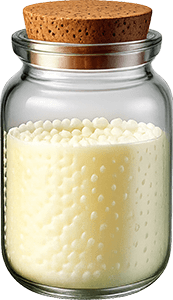
So today I want to share 7 reasons to have kefir in the summer, and I’ll also give you a few simple tips to help your kefir behave when the temperatures start to rise.
Kefir is a small daily habit with a powerful way of reminding your body how to thrive.” 🌿🥛
7 Reasons To Have Kefir in The Summertime
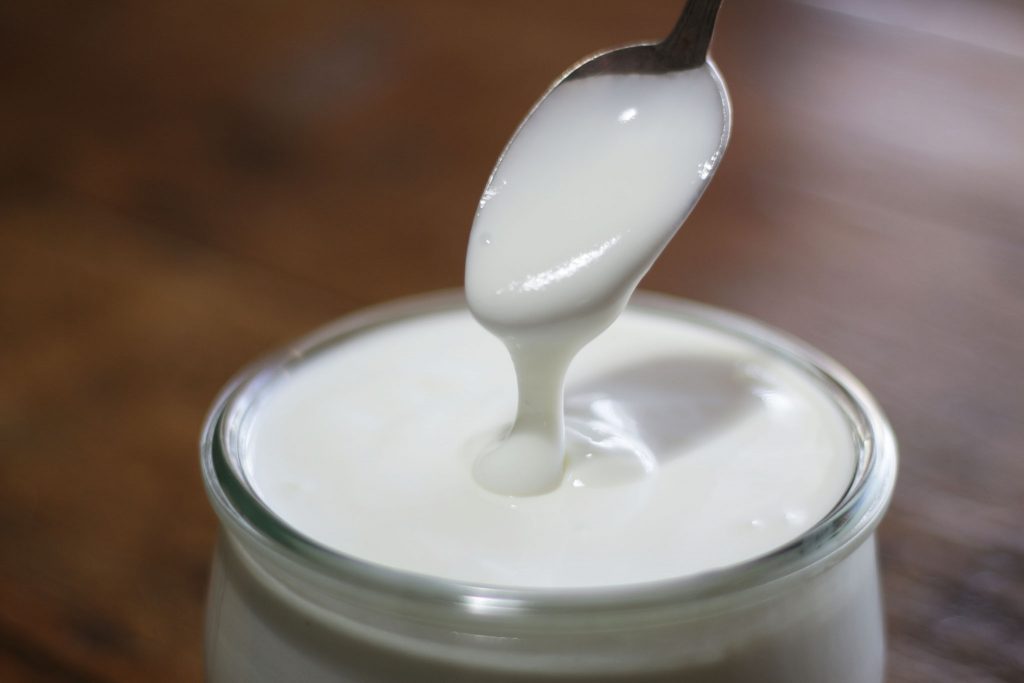
Kefir is the easiest summer breakfast
One of the reasons I love kefir so much in the summer is that it makes breakfast so easy.
When it’s hot outside, I don’t always want something heavy or cooked first thing in the morning. Kefir is fast. You can pour it in a glass, blend it with fruit, add it to a smoothie bowl, stir in chia seeds, or add a little vanilla and berries. It takes just a few minutes, and you’re off and running.
In the summertime, I love kefir with citrus. Grapefruit, lemon, orange — they all brighten kefir and make it taste so refreshing. I’ve often said that drinking kefir first thing in the morning works so well for me, especially in the summer. It feels light, but it also feels satisfying.
And that’s one of the secrets of kefir. It’s not just a drink. It’s a cultured food filled with microbes, protein, minerals, and compounds created through fermentation. It can help you feel nourished without feeling weighed down.

Kefir pairs beautifully with summer fruit
Summer fruit and kefir were made for each other. Think about berries, peaches, cherries, mangoes, lemons, and even frozen bananas. You can take a cup of kefir and add whatever fruit is in season, and in seconds you have something delicious.
But here’s what I love even more. Fruit gives kefir’s microbes more food. When you second ferment kefir with fruit, citrus peel, or even a little Prebio Plus, you’re feeding those bacteria again. This can make kefir taste less sour, creamier, and more delicious.
So if your summer kefir gets a little too tart, don’t throw it away. Add some fruit. Add a strip of lemon or orange peel. Add vanilla. Let it second-ferment for a few hours, or place it in the fridge to let the flavors mellow. Kefir is forgiving. It just needs a little help sometimes.
It’s Wonderful in Smoothies, Popsicles, and Frozen Treats: You can make creamy smoothie bowls, kefir smoothies, kefir ice cream, frozen yogurt-style treats, and probiotic popsicles. This is one of the easiest ways to enjoy kefir when the weather is hot and you want something cold and delicious.

Kefir can support blood sugar balance
This is a big one for me personally. When I started drinking kefir years ago, one of the first things I noticed was how much it helped support healthy blood sugar levels. That was huge for me, and I’ve been drinking kefir ever since.
Many studies are now confirming what I experienced firsthand — that the gut microbiome plays an important role in blood sugar balance, insulin sensitivity, weight, blood pressure, and overall metabolic health. Research has found that people with obesity, insulin resistance, diabetes, and hypertension often have altered gut flora compared to those who are metabolically healthy.
Growing research also suggests that probiotics and prebiotics can help encourage beneficial microbes to thrive, which may support better glucose balance, improved insulin sensitivity, healthier blood pressure, and weight management.
That’s one reason I especially love having kefir in the summer. Summer can be full of vacations, parties, barbecues, desserts, and extra treats. Having kefir every day gives you a steady cultured food routine — something simple and powerful you can do for your body, even when life feels busy. [1-4]
Kefir may help with satiety and GLP-1
GLP-1 has become such a big topic lately, but your body already makes GLP-1. It’s a hormone released from the gut after eating, and it helps with insulin secretion, blood sugar regulation, appetite, and the way food moves through the stomach.
What I find fascinating is that the gut and the microbes are part of this conversation. Research is showing that diet, fermented foods, probiotics, prebiotics, and the gut microbiome may all play roles in appetite hormones and metabolic health. A double-blind randomized trial found that probiotic yogurt increased fasting GLP-1 levels in obese adults during a low-calorie diet.[5]
There was also a randomized crossover trial looking at kefir with meals. It found that adding kefir to a high-glycemic meal may help prevent increases in appetite and food intake, making the response more similar to a low-glycemic meal.

Kefir helps keep meals light and creamy
Summer meals are different. We want salads, wraps, grilled foods, cold dips, fresh vegetables, and quick sauces.
This is where kefir shines.
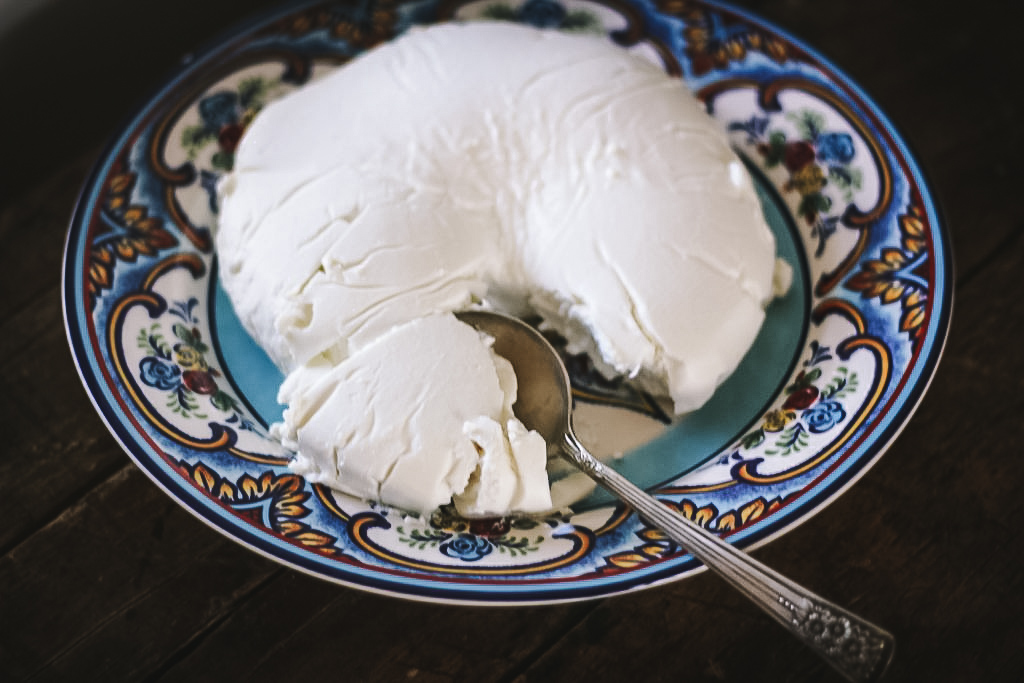
You can use kefir in ranch dressing, creamy herb sauces, dips, marinades, smoothies, frozen treats, and salad dressings. You can strain kefir and make kefir cheese. You can use the whey for fermented mayo, lemonade, slushies, and so many other things.
One of the easiest summer tricks is to use kefir or kefir cheese anywhere you would normally use sour cream, buttermilk, or part of the mayo in a recipe. It gives you that creamy tang, but it also brings beneficial microbes.
I love using cultured foods this way because it doesn’t feel like a health project. It just becomes food. You’re making what you already love, but you’re adding life to it.
Kefir Teaches You to Listen to Living Foods
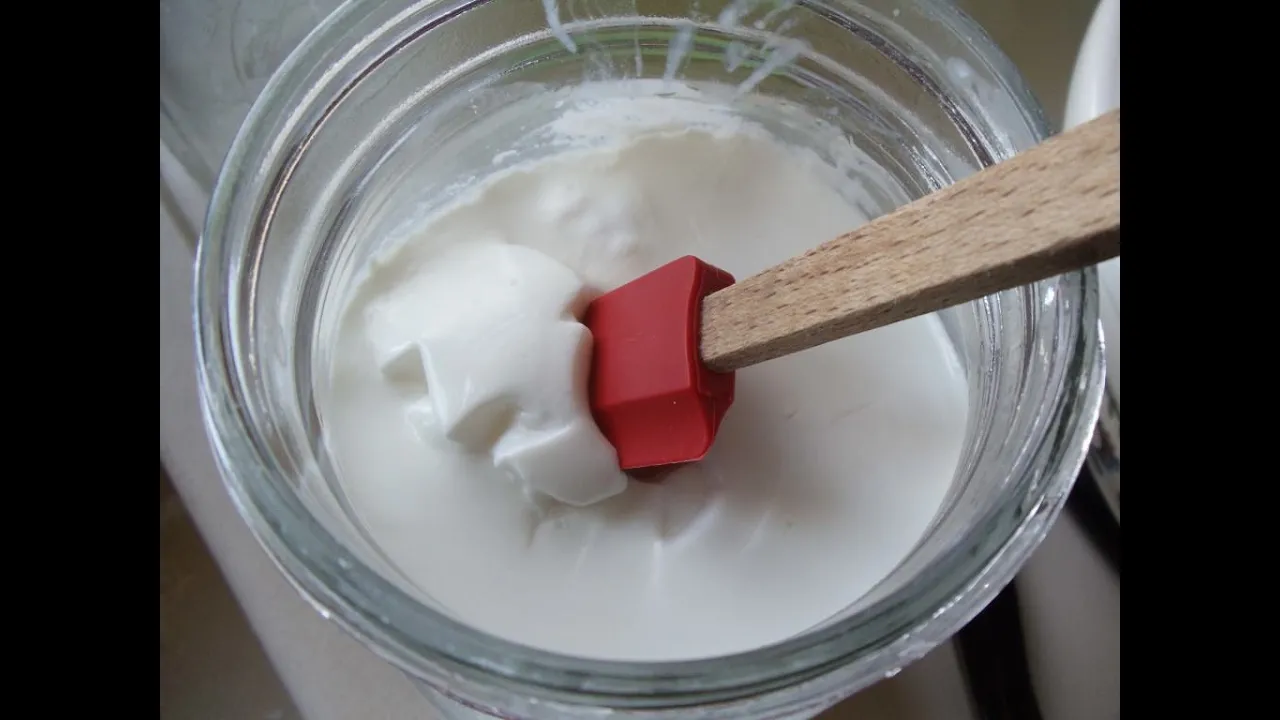
Kefir is alive, and living foods respond to temperature, food, and time. That’s why summer kefir can behave differently than winter kefir. In the summer, kefir often ferments faster. It can become thicker sooner, taste more sour, or even separate into curds and whey before you expect it.
But this doesn’t usually mean anything is wrong. It means your kefir is talking to you.
It may be saying, “I’m too warm.”
It may be saying, “I need more milk.”
It may be saying, “There are too many grains in this jar.” Or it may simply be saying, “I was ready hours ago!”
Once you learn kefir’s rhythm, it becomes so much easier. You stop watching only the clock and start watching the kefir. Is it thick? Is it tart? Is it separating? Is your kitchen warmer than usual? Kefir teaches us that cultured foods are not factory foods. They are living foods. They change with the seasons, just like we do.
Kefir's Calming Effect on the Central Nervous System
This is another one of the miracles that I have found kefir performs for me: when I'm super stressed, two to three cups of kefir, spread throughout the day, will calm me down and chill me out. Kefir contains many vitamins, minerals, and enzymes - calcium, phosphorus, magnesium, vitamins B1, B2, B3, B6, B12, folic acid, vitamin K, vitamin A, and vitamin D. [6,7]
Two cups of kefir will contain all the B12 you need in a day. Kefir has lots of amino acids. Tryptophan is one of the essential amino acids abundant in kefir, and is known for its relaxing effect on the nervous system. These complete proteins in kefir are partially digested and therefore more easily utilized by the body. Because kefir also has an abundance of calcium and magnesium, and also has important minerals for a healthy nervous system, kefir can have a particularly calming effect on the nerves. I can testify to that!
These are just a few of the many things kefir has done for me. I'm not just spouting facts and studies, I've lived these experiences and love to tell others about them. When you make kefir, just know that it is so much more than you can imagine. You will find billions of microbes in a glass of kefir that are just waiting to help you. They can only do this if you give them the A-okay. Now, don't you think it's time?
Listen To My Podcast
Summer is the perfect time to enjoy kefir! In this episode, I’m sharing 7 reasons to have kefir in the summertime—from supporting digestion and hydration to helping with quick, easy meals, smoothies, dips, and refreshing treats. Kefir is one of the simplest ways to care for your gut all summer long, and I’ll show you why it’s a cultured food you’ll want to keep close in the warm months.
References I talked about:
References:
-
- https://www.cambridge.org/core/journals/nutrition-research-reviews/article/milk-kefir-nutritional-microbiological-and-health-benefits/1393DC2B8E5F08B0BE7BD58F030D387B
- Oral Delivery of a Probiotic Induced Changes
- The effect of kefir consumption on human immune system: a cytokine study
- https://academic.oup.com/nutritionreviews/article/81/3/267/6652871?login=false
- https://www.culturedfoodlife.com/the-fermented-food-secret-behind-glp-1/
- https://www.cambridge.org/core/journals/nutrition-research-reviews/article/milk-kefir-nutritional-microbiological-and-healthbenefits/1393DC2B8E5F08B0BE7BD58F030D387B
- https://ods.od.nih.gov/factsheets/VitaminB12-HealthProfessional/
Are you on the list?
Sign up today and I'll send you my free Getting Started Guide!
Each week I'll send you updates, tips, recipes, and more! You might even be a winner of my weekly giveaway! (starter cultures, memberships, and more!)
Come be a part of my cultured food family!